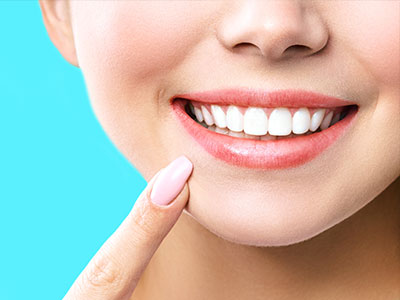
ZOOM! Whitening is a professionally administered whitening system designed to lift stains and brighten enamel more quickly and predictably than many over-the-counter options. The in-office procedure uses a peroxide-based gel activated by a focused light source, which accelerates the whitening reaction to reduce deeper, intrinsic discoloration as well as surface stains. Because the process is performed under clinical supervision, the concentration and application are controlled for consistent results.
This treatment is most often completed in a single appointment that typically lasts less than an hour from start to finish. Patients recline comfortably while the dental team protects soft tissues and applies the whitening agent in carefully timed cycles. The controlled environment helps reduce variability in outcomes, which is one reason many people choose a professional option for a fast, noticeable improvement.
While the technology behind ZOOM! Whitening is advanced, the experience for most patients remains straightforward and easy to follow. The goal is to provide a predictable, clinically managed approach to whitening that respects oral health and delivers a brighter smile without complicated at-home regimens unless a customized take-home plan is recommended afterward.
Ideal candidates are adults with healthy teeth and gums who want to address staining from coffee, tea, wine, tobacco, aging, or certain foods and medications. Patients with active decay, significant gum disease, or exposed root surfaces should have those issues treated before whitening to avoid discomfort and to ensure the best possible outcome. A brief exam and discussion with your dental provider will clarify whether ZOOM! Whitening is appropriate for your situation.
Crowns, veneers and composite restorations do not whiten the same way natural teeth do, so patients with existing restorations should expect those restorations to remain the same shade after treatment. Your dental provider can review which areas will respond to whitening and discuss options for achieving a balanced, natural-looking result across restored and natural teeth.
People who have realistic expectations about the degree of whitening, and who commit to follow-up care and maintenance, typically report the most satisfaction. If sensitivity, gum recession, or tooth wear are present, the dental team can adapt the treatment plan to minimize discomfort while still pursuing meaningful improvement.
Your visit begins with a short consultation and a gentle cleaning if needed, followed by measures to protect lips and gums. A barrier is applied to the soft tissues, and the whitening gel is placed on tooth surfaces in a series of timed applications. The ZOOM! light is used to activate the gel for several cycles, and the clinician will monitor progress throughout the appointment to ensure safety and comfort.
Most patients find the procedure tolerable and report limited discomfort. Temporary sensitivity can occur, especially for those who are already prone to it, but it typically diminishes within a few days. The team can provide specific strategies to reduce sensitivity, such as using desensitizing products or adjusting the length and number of light cycles.
After the final activation cycle, the gel is removed, and the teeth are rinsed and evaluated. The clinician will compare before-and-after shade assessments and discuss realistic expectations for how long the result should last. If desired, a custom take-home maintenance kit may be recommended to preserve the new shade and address gradual staining over time.
Sustaining the effects of ZOOM! Whitening is largely a matter of sensible daily habits and targeted maintenance. Minimizing frequent exposure to highly staining foods and beverages—such as coffee, red wine, and dark sauces—helps prolong the result. When avoidance isn’t practical, rinsing or brushing within 30–60 minutes after consuming staining substances can reduce their impact on enamel.
Oral hygiene plays a central role in preservation. Regular brushing with a non-abrasive toothpaste, daily flossing, and routine professional cleanings remove surface deposits that can dull brightness. Your dental team can also recommend whitening-friendly products that are gentle on enamel and effective at maintaining shade between professional visits.
For patients who prefer periodic touch-ups, a professionally supervised take-home whitening system or occasional in-office refresh treatments can be arranged. These maintenance options are tailored to how quickly an individual’s teeth pick up new stains and to lifestyle factors like diet and smoking.
At Ballston Dental Center, the focus is on providing patient-centered cosmetic care that balances aesthetic goals with overall oral health. The team emphasizes clear communication so every patient understands the process, anticipated results, and any measures needed to reduce sensitivity or protect existing restorations. That transparent approach helps patients make informed decisions about whitening with confidence.
Our clinicians bring clinical experience and attention to detail to every whitening treatment, following manufacturer guidelines and professional best practices. Equipment and materials are selected for safety and effectiveness, and staff are trained to create a comfortable environment, monitor progress closely, and respond to any patient concerns right away.
Choosing professional whitening means you benefit from a personalized plan and clinical oversight from start to finish. Whether you want a single-session brightness boost or a combined in-office and at-home regimen, the practice works with you to craft an approach that aligns with your smile goals while safeguarding oral health.
In summary, ZOOM! Whitening is a clinically supervised option for patients seeking a fast, reliable way to brighten their smile. It is best undertaken after a dental evaluation so results are safe and predictable, and it pairs well with routine care and sensible habits to maintain brightness over time. If you’d like to learn more about how ZOOM! Whitening could help you achieve a whiter smile, please contact us for more information.


ZOOM! Whitening is a professionally administered in-office bleaching system that uses a peroxide-based gel activated by a focused light to accelerate stain removal on enamel and dentin. The procedure is performed under clinical supervision so concentration, placement, and timing are controlled for consistent, predictable shade improvement. It is designed to address both surface stains and some deeper discoloration faster than many over-the-counter options.
A typical visit includes preparation, application of protective barriers to soft tissues, and a series of timed gel activations with the light source. The clinician monitors progress throughout the appointment to ensure comfort and safety and compares before-and-after shade assessments. When indicated, a custom take-home maintenance kit may be provided to help preserve results.
Good candidates are adults with generally healthy teeth and gums who want to improve discoloration from coffee, tea, wine, tobacco, aging, or certain medications. Patients with active tooth decay, uncontrolled periodontal disease, or exposed root surfaces should have those conditions treated first to avoid sensitivity and to optimize outcomes. A brief dental exam and discussion about expectations will clarify whether ZOOM! Whitening is appropriate for your smile.
People with realistic expectations and a commitment to follow-up care tend to be most satisfied with results. Because crowns, veneers, and composite restorations do not respond to bleaching the same way natural teeth do, clinicians will review areas that will not change and plan any restorative adjustments if needed. If sensitivity or gum recession is present, the treatment plan can be modified to reduce discomfort while still pursuing meaningful improvement.
Your visit usually begins with a short consultation and, if needed, a gentle professional cleaning to remove surface deposits that can interfere with even whitening. The dental team protects lips and gums with barriers, applies the whitening gel to tooth surfaces, and runs the light through several timed cycles while monitoring your comfort and shade changes. Most patients remain comfortably reclined throughout the less-than-an-hour appointment and find the process straightforward.
Clinicians will watch for sensitivity or soft-tissue irritation and can adjust cycle length or use desensitizing measures if necessary. After the final activation the gel is removed, teeth are rinsed, and shade changes are documented so you can see the improvement. At Ballston Dental Center the team will also discuss realistic expectations and any recommended maintenance or take-home options tailored to your needs.
When delivered by trained dental professionals, ZOOM! Whitening is considered safe and effective for appropriate candidates, because the process is clinically supervised and follows manufacturer protocols. Protective measures are used to shield gums and soft tissues from the whitening agent, and the clinician adjusts treatment to reduce risks in patients who are prone to sensitivity. Regular pre-treatment screening helps identify issues that should be managed before bleaching.
Some patients experience temporary tooth sensitivity or mild gum irritation after whitening, especially those with a history of sensitivity or receding gums. These effects are typically transient and resolve within a few days; your clinician can recommend desensitizing toothpaste, topical agents, or adjusted treatment cycles to minimize discomfort. If prolonged sensitivity or unusual symptoms occur, follow-up care is available to address concerns promptly.
Results vary by individual but commonly last months to a few years, depending on lifestyle factors and oral hygiene habits. Frequent consumption of staining foods and beverages such as coffee, red wine, and dark sauces, as well as tobacco use, will shorten the duration of whitening benefits. Natural aging and enamel wear also influence how quickly teeth may darken again over time.
Good daily oral hygiene, routine professional cleanings, and sensible dietary choices help extend the effect of treatment. Many patients choose periodic touch-ups with a professionally supervised take-home system or occasional in-office refresh treatments to maintain shade. Your dental team can recommend a maintenance schedule based on how quickly your teeth pick up new stains and your personal habits.
No; dental restorations such as crowns, veneers, and composite fillings do not respond to whitening agents the way natural tooth enamel does, so they typically remain the same shade after bleaching. This difference can create a mismatch between natural teeth and existing restorations if restorations are older or discolored. The clinician will review your restorations during the initial evaluation and explain which areas will and will not change with bleaching.
If shade differences are a concern, your dentist can discuss options such as replacing or recontouring restorations after whitening to achieve a balanced, natural-looking smile. Planning restorative work around whitening results often produces the most harmonious outcome. This sequencing allows you and your clinician to select restoration shades that match the newly whitened teeth.
A take-home maintenance kit is optional but commonly recommended for patients who want to prolong and refine their results. Custom-fitted trays with professional-strength gel can be used periodically to touch up shade at home under the dentist's guidance, which is typically more effective and gentler than over-the-counter alternatives. The practice will explain appropriate frequency and concentration to minimize sensitivity while maintaining brightness.
For some patients a combined approach—an initial in-office session followed by monitored at-home applications—provides the best balance of immediate improvement and long-term maintenance. The dental team can tailor a program based on your sensitivity history, lifestyle, and how quickly your teeth tend to stain. Follow-up appointments allow evaluation and safe adjustment of any home regimen.
Begin with a dental exam so your clinician can identify and treat any cavities, active gum disease, or other oral health issues prior to whitening; addressing these concerns first helps prevent discomfort and improves predictability. A professional cleaning before treatment will remove plaque and surface deposits that can interfere with even bleaching. Be ready to discuss your goals and any history of tooth sensitivity so the team can plan appropriate measures.
Avoid heavy staining foods and tobacco in the days leading up to treatment to maximize initial results, and wear comfortable clothing for the appointment. If you are pregnant or breastfeeding, mention this to your provider so timing and alternatives can be discussed. Planning for post-treatment sensitivity management—such as having desensitizing toothpaste on hand—can also help ensure a smooth recovery.
Common, usually temporary side effects include increased tooth sensitivity and mild gum irritation, which most patients experience briefly after treatment. Sensitivity typically diminishes within a few days and can be mitigated with desensitizing products or by adjusting the number and duration of activation cycles. Gum irritation is generally avoided through careful soft-tissue protection, but any persistent or severe symptoms should be reported for follow-up care.
Less common risks include uneven whitening when restorations are present and, rarely, chemical burns if protective measures are not properly applied. A thorough pre-treatment evaluation reduces these risks by identifying teeth or restorations that require special consideration. Discuss any health conditions, medications, or pregnancy with your dental provider so they can recommend the safest option for your circumstances.
Choosing a practice with experienced clinicians, consistent protocols, and a focus on patient comfort supports safe, predictable whitening outcomes. At Ballston Dental Center the team emphasizes clear communication about expected results, sensitivity management, and the interaction between bleaching and existing restorations so patients can make informed decisions. Clinicians follow manufacturer guidelines and professional best practices while monitoring each step of the procedure.
The practice offers individualized treatment planning that may include a single-session in-office boost or a combined in-office and supervised take-home program, depending on your goals and oral health. Follow-up care and maintenance recommendations are provided to help preserve your new shade and address any post-treatment concerns. If you have questions specific to your dental history or aesthetic objectives, schedule a consultation to review options tailored to your smile.
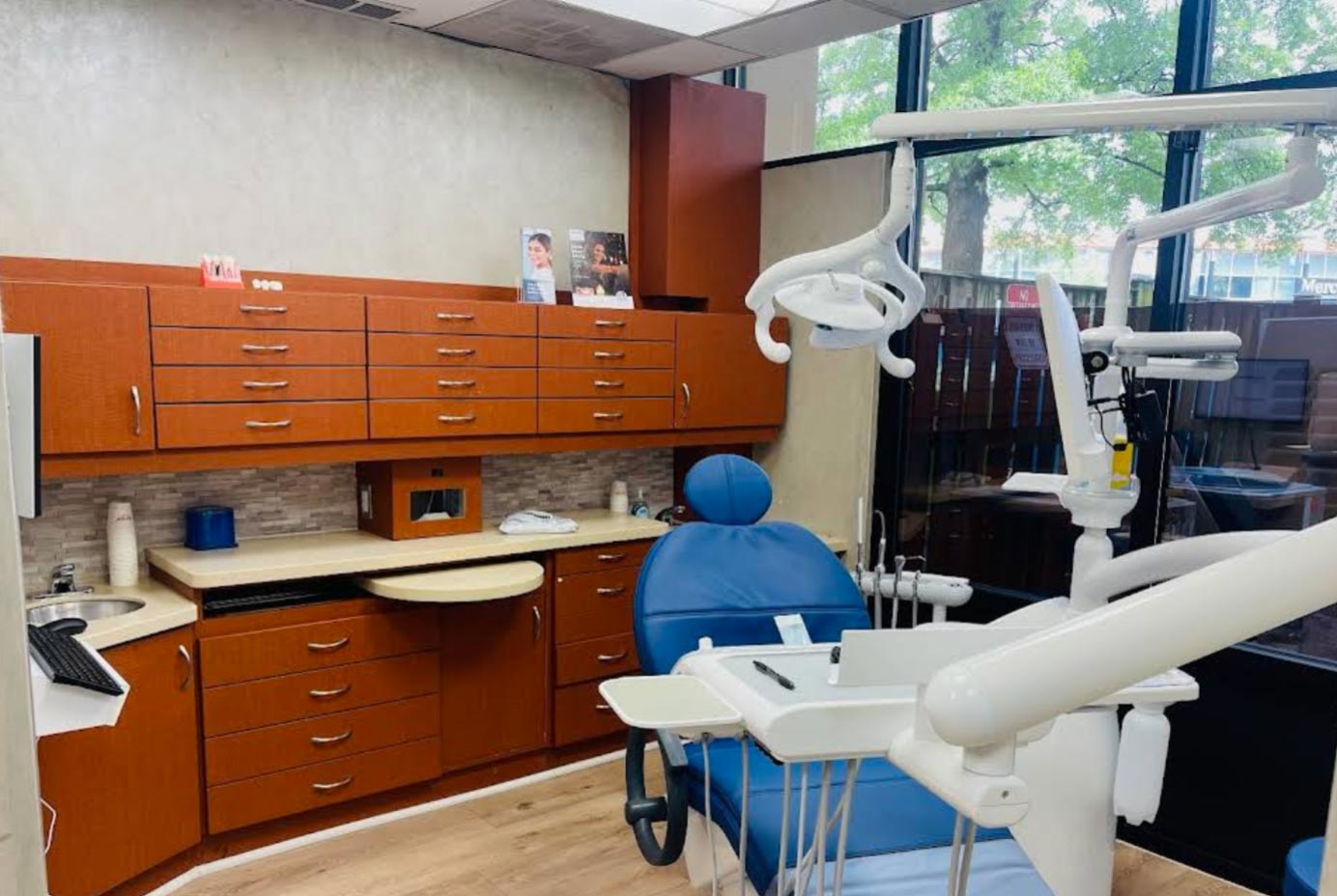
We are here to help you take the next step toward a healthier smile.
Whether you have questions about our services, insurance, or scheduling your first visit, our team is ready to assist you.
We welcome new and returning patients and are happy to help you find a time that fits your schedule. Reach out to our office today to schedule an appointment or learn more about how we can support your oral health. We look forward to welcoming you to our practice.