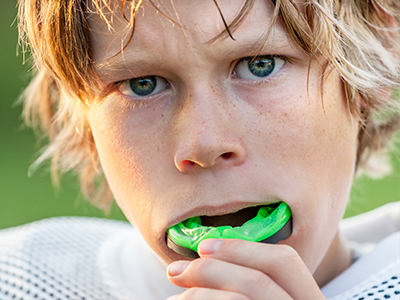
Participating in sports should build confidence, fitness, and teamwork — not leave athletes sidelined with preventable dental injuries. Sports mouthguards are a simple, proven way to protect teeth, soft tissues, and jaws during practices and games. This page explains how mouthguards work, the options available, and practical guidance for choosing and caring for the right guard for your athlete.
Blows to the face, collisions with other players, and impacts from equipment can cause chipped or knocked-out teeth, lacerated lips and cheeks, and jaw injuries. A properly fitted mouthguard absorbs and distributes impact forces, reducing the risk of these outcomes. For many athletes, wearing a mouthguard is the simplest on-field defense against extensive dental treatment down the line.
Mouthguards also help protect the soft tissues of the mouth. When the jaw is struck suddenly, teeth can be driven into the lips or cheeks; a cushioning appliance acts as a barrier between teeth and soft tissue and limits cuts and bruises. In contact sports — and even in some non-contact activities where falls are common — this protection can be the difference between a quick recovery and an emergency dental visit.
Beyond obvious dental damage, severe impacts can affect the jaw joint and surrounding structures. A mouthguard helps stabilize the bite during an impact, which can lessen the chance of a fracture or temporomandibular joint injury. Coaches, parents, and athletes should consider these wider benefits when deciding whether to use a mouthguard for practices as well as games.
There are three primary categories of sports mouthguards: stock (ready-to-wear), boil-and-bite, and custom-made devices crafted by a dental professional. Stock guards are inexpensive and off-the-shelf but often fit poorly and can interfere with breathing or talking. Boil-and-bite guards offer improved fit after softening in hot water and molding around the teeth, but they still rely on the wearer’s technique and the material’s limitations.
Custom mouthguards are made from an exact impression of the athlete’s teeth, delivering superior retention, comfort, and protection. Because they are fabricated in a dental lab to match a patient’s bite, custom guards allow for better breathing, speech, and athletic performance while offering the most reliable shock absorption. For athletes who wear braces, have missing teeth, or participate in high-impact sports, a custom option is often recommended.
Choosing the right type depends on the athlete’s age, the sport’s contact level, whether orthodontic appliances are present, and how consistently the device will be worn. A properly fitting guard that is actually used provides far more protection than an ideal guard that is left at home — so comfort and ease of use are important selection criteria.
Modern mouthguards are made from resilient thermoplastics designed to cushion impacts while remaining thin enough for comfort. Laboratory testing and clinical experience have shaped common design elements: adequate coverage of the upper teeth, sufficient thickness in impact zones, and a secure fit to minimize displacement on impact. Some guards include layered materials for enhanced shock absorption or reinforced areas tailored to specific sports.
Breathability and speech are key performance measures for athletes. A well-designed mouthguard permits normal breathing and communication during play, which supports stamina and teamwork. Custom-fitted guards excel in this regard because they conform closely to the dental arches and do not bulk the mouth unnecessarily.
For athletes with braces or other dental appliances, specialized guards incorporate extra space or protective flanges to prevent wires from cutting soft tissues and to avoid appliance damage. Discussing specific sports, appliance configurations, and personal needs with a dental professional helps ensure the selected guard balances protection with everyday usability.
The process of obtaining a custom mouthguard is straightforward and designed for patient comfort. The dentist takes impressions or digital scans of the teeth and bite, which are sent to a dental laboratory where technicians craft a guard to those exact specifications. During a follow-up visit, the finished guard is tried in the mouth and adjusted for fit, retention, and comfort.
Custom fabrication allows the clinician to recommend materials and thicknesses appropriate for the athlete’s sport and oral anatomy. For younger athletes, the design may account for ongoing dental development and aligner or bracket placement. For adult competitors, emphasis may be placed on durability and minimizing interference with breathing during high-intensity activity.
Because custom guards are tailored rather than mass-produced, they typically last longer, fit more securely, and encourage consistent use. If adjustments are ever needed — for example, after orthodontic treatment ends or if wear patterns develop — the practice can evaluate and modify or replace the guard to maintain protection.
Regular care extends the life of a mouthguard and helps prevent odors and bacterial buildup. Rinse the guard with cool water after each use, brush it gently with a toothbrush and non-abrasive toothpaste or mild soap, and allow it to air-dry completely before storing it in a ventilated case. Avoid exposing the guard to heat, which can warp thermoplastic materials and compromise fit.
Inspect the mouthguard periodically for signs of wear, thinning, or tears. Even the most durable materials degrade over time, and a compromised guard no longer distributes impact forces effectively. Replace the appliance if it shows visible wear, no longer fits securely, or if it becomes difficult to clean properly.
Children and teens require more frequent assessment because dental development and orthodontic treatment can change fit rapidly. Athletes should bring their guards to dental appointments so the clinician can evaluate wear and recommend replacement timing. Proper storage — clean, dry case kept out of direct sunlight — also helps preserve the device between uses.
At Ballston Dental Center in Arlington, VA, our team can help athletes and families choose the best mouthguard for their sport and dental situation. Whether you’re looking for a durable boil-and-bite solution or a precision-fit custom guard, we provide guidance rooted in clinical experience so you can make an informed choice.
In summary, a well-chosen mouthguard is an essential piece of protective equipment for athletes of all ages. It reduces the risk of dental and soft-tissue injuries, supports safer performance, and — when cared for properly — provides reliable protection season after season. Contact us for more information about selecting and fitting a sports mouthguard tailored to your needs.


Wearing a sports mouthguard reduces the risk of common oral injuries such as chipped or knocked-out teeth, lacerated lips and cheeks, and jaw trauma by absorbing and distributing impact forces. A properly fitting guard also creates a protective barrier between the teeth and soft tissues, which helps prevent cuts and bruises when the jaw is struck. Beyond immediate dental damage, mouthguards can help stabilize the bite during an impact and reduce the likelihood of fractures or injury to the temporomandibular joint.
These protective benefits apply to athletes of all ages and skill levels, from youth leagues to adult recreational sports. In many situations—particularly contact and collision sports—a mouthguard can be the simplest, most effective way to avoid an emergency dental visit. Choosing and using a mouthguard consistently during practices and games greatly improves its protective value.
There are three main categories of mouthguards: stock (ready-to-wear), boil-and-bite, and custom-fitted devices made by a dental professional. Stock guards are inexpensive and preformed but often fit poorly and can interfere with breathing and speech, while boil-and-bite guards offer an improved fit after softening and molding but still depend on user technique and material limits. Custom-fitted mouthguards are created from an impression or scan of the athlete's teeth and provide the best fit, retention, and comfort.
The choice among these options depends on the athlete's age, the sport's contact level, whether orthodontic appliances are present, and how likely the guard will be worn consistently. A comfortable, well-fitting guard that is used reliably offers more real-world protection than a theoretically superior option that is left unused. Discussing the athlete's needs with a dental professional helps select the best type for performance and safety.
Custom-fitted mouthguards are fabricated from an exact impression or digital scan of the athlete's teeth, which produces superior retention, comfort, and shock absorption compared with off-the-shelf options. Because they conform closely to the dental arches and bite, custom guards allow for better breathing and speech during activity, reducing interference with stamina and communication on the field. Their precise fit also reduces movement on impact, improving the guard's ability to distribute forces and protect oral structures.
Custom devices can be tailored to specific needs, such as added thickness in impact zones, layered materials for enhanced cushioning, or modifications to accommodate braces or missing teeth. They also tend to be more durable and encourage consistent use because they are more comfortable for the wearer. When long-term protection and performance are priorities, a custom guard is often the most practical choice.
Obtaining a custom mouthguard typically begins with an impression or a digital scan of the teeth and bite taken during a brief dental visit. The model or scan is sent to a dental laboratory where technicians fabricate the guard using materials and layering techniques selected for the athlete's sport and anatomy. At a follow-up appointment the clinician checks fit, retention, and comfort, making any adjustments needed to ensure proper function and minimal interference with breathing and speech.
The process is designed to be efficient and comfortable, and many practices can coordinate timing so athletes receive a finished guard before the season begins. Clinicians will advise on design considerations for youth athletes, those undergoing orthodontic treatment, and adults with unique occlusal patterns. If future adjustments are needed after orthodontic changes or wear, the practice can evaluate and recommend modification or replacement to maintain protection.
Yes, athletes with braces or fixed orthodontic appliances can and should wear a mouthguard to protect soft tissues and reduce the risk of oral injury. Specialized guards for orthodontic patients include extra space or protective flanges to prevent wires and brackets from cutting the lips and cheeks while minimizing pressure on the appliances. Properly designed orthodontic mouthguards also help reduce the risk of damage to brackets and wires during contact or falls.
Because appliances and dental development change over time, patients with braces should have their mouthguards evaluated regularly and adjusted as needed for fit. Using a custom or professionally recommended boil-and-bite option designed for orthodontic use can improve comfort and protection. Bringing the guard to dental appointments allows the clinician to assess fit and advise on any necessary changes.
Regular cleaning and correct storage extend the life of a mouthguard and reduce bacterial buildup and odors. Rinse the guard with cool water after each use, brush gently with a toothbrush and mild soap or non-abrasive toothpaste, and allow it to air-dry completely before placing it in a ventilated case. Avoid exposing the device to heat sources—such as direct sunlight, hot water, or car dashboards—because thermoplastic materials can warp and lose their fit.
Inspect the mouthguard frequently for signs of wear, thinning, or tears, and replace it if damage is present or if it no longer fits securely. Store the guard in a clean, dry case kept out of direct sunlight and away from pets, who may chew on the device. For youth athletes, more frequent checks are important because dental growth and orthodontic changes can alter fit quickly.
A properly fitting mouthguard should feel comfortable, stay in place without conscious effort, allow normal breathing and speech, and not cause pain or pressure points. If the guard shifts during use, causes gagging, restricts breathing, or creates sore spots, it needs adjustment or replacement. Visible signs such as thinning, tears, deformation, or an altered bite indicate the device is no longer providing effective protection.
Children and adolescents may need replacements more often because of dental development or orthodontic treatment, and athletes should bring their mouthguards to dental visits for professional evaluation. Any significant dental work, changes in tooth position, or persistent fit issues warrant a visit to the dental office so the clinician can make targeted adjustments or recommend a new device. Regular monitoring helps maintain optimal protection throughout the season.
Modern mouthguards are typically made from resilient thermoplastics and may incorporate layered materials to enhance shock absorption while keeping the guard thin enough for comfort. Look for adequate coverage of the upper teeth, reinforced thickness in impact zones, and a secure fit that minimizes displacement on impact. Breathability and speech-friendly design are important for maintaining stamina and communication during play, so a guard that allows easy inhalation and clear speech is preferable.
For specific sports or positions with higher impact risk, consider guards with additional reinforcement or custom layering that dissipates force more effectively. Athletes with special needs—such as those with missing teeth or unique occlusal patterns—benefit from professionally designed features that address those concerns. Discussing sport-specific demands and individual anatomy with a dental professional ensures the selected materials and design optimize both protection and performance.
Children should begin wearing a mouthguard as soon as they participate in sports or recreational activities where there is risk of falls, collisions, or blows to the face. Early use helps protect primary and developing permanent teeth and fosters consistent habits that carry into adolescence and adulthood. For very young children, selection should prioritize a secure, comfortable fit that does not interfere with breathing or swallowing.
As children grow and their dentition changes, mouthguards should be re-evaluated frequently and replaced as needed to maintain fit and protection. Parents should consult with their dental provider about timing, suitable options for age and dental development, and recommendations during orthodontic treatment. Regular dental checkups provide a convenient opportunity to review mouthguard condition and fit.
Our dental team can assess an athlete's oral anatomy, sport-specific risks, and any orthodontic considerations to recommend the most appropriate mouthguard type and design. We provide impressions or digital scans for custom fabrication, evaluate fit at follow-up visits, and offer guidance on care, storage, and replacement timing to maintain protection. For athletes with braces or unique dental needs, we can tailor design features that minimize appliance damage and soft-tissue injury.
Patients and families in Arlington, VA can schedule a consultation to discuss options and have their athlete's mouthguard evaluated before the season starts. Bringing the guard to routine dental appointments allows clinicians to monitor wear and make timely adjustments. Contact Ballston Dental Center to arrange an evaluation and ensure your athlete is using a device that balances safety, comfort, and performance.
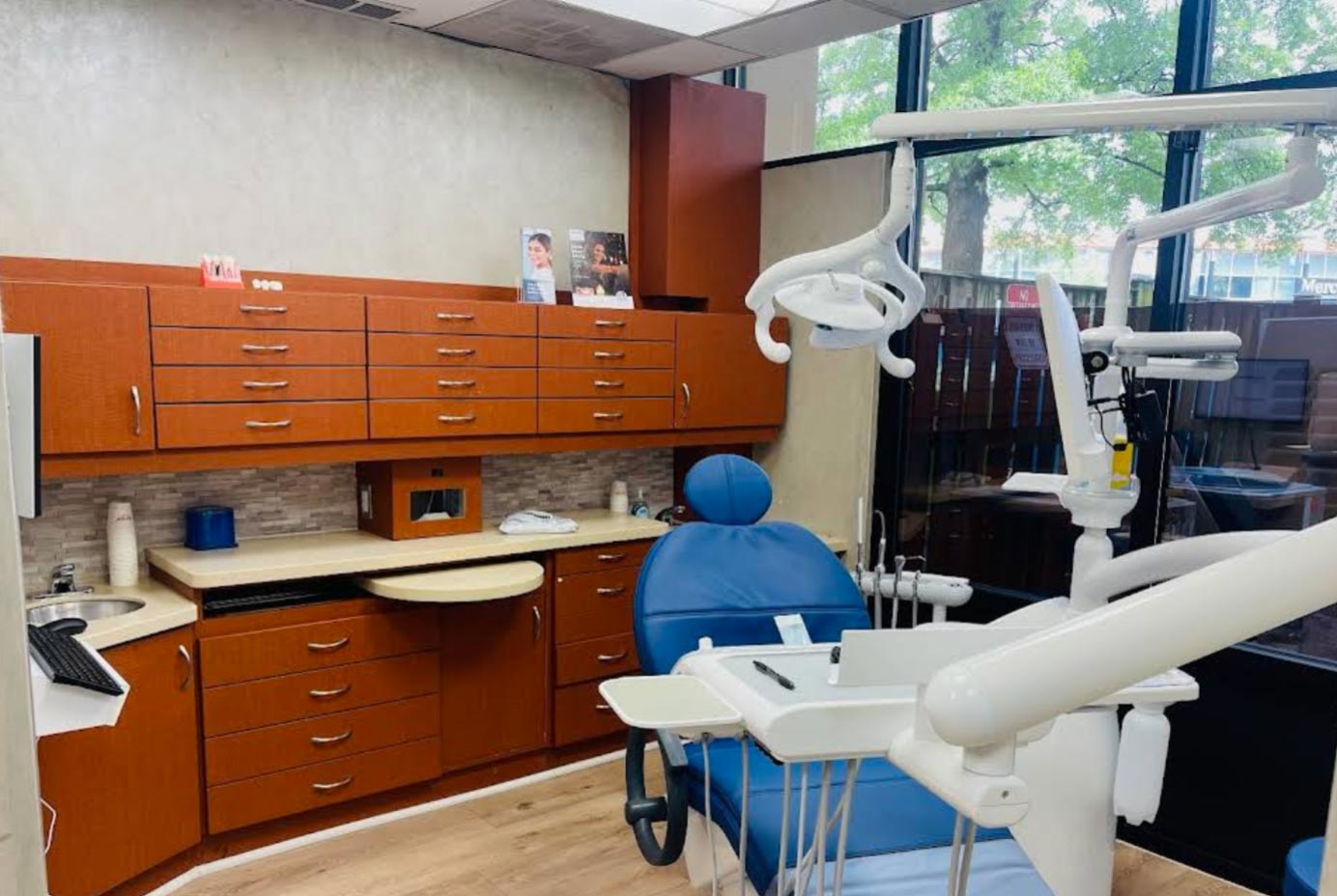
We are here to help you take the next step toward a healthier smile.
Whether you have questions about our services, insurance, or scheduling your first visit, our team is ready to assist you.
We welcome new and returning patients and are happy to help you find a time that fits your schedule. Reach out to our office today to schedule an appointment or learn more about how we can support your oral health. We look forward to welcoming you to our practice.