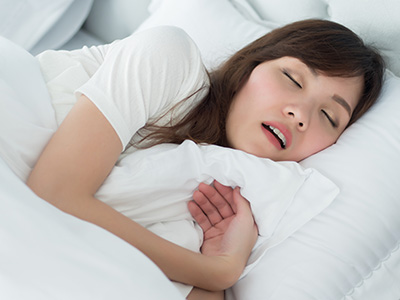
Snoring happens when airflow through the nose and mouth creates vibrations in the soft tissues at the back of the throat. For many people this is an occasional nuisance; for others it becomes a chronic, household-wide disruption. While not every snorer has a medical sleep disorder, frequent loud snoring can interfere with restorative sleep for both the person who snores and their bed partner.
Nationwide estimates put the number of people who snore regularly in the tens of millions, and because the causes vary, effective care starts with understanding the individual pattern and contributing factors. Anatomy, sleep position, nasal congestion, alcohol use, and muscle tone all play a role. A careful evaluation helps determine whether a conservative dental appliance may help or whether further medical assessment is indicated.
When snoring is a symptom rather than an isolated concern, a coordinated approach between dental and medical providers yields the best outcomes. Dentists experienced in sleep-disordered breathing can screen for warning signs and work with physicians to rule out obstructive sleep apnea (OSA) when appropriate. For many patients who do not have OSA, a properly fitted oral appliance offers a safe, noninvasive option to reduce snoring and improve sleep quality.
Understanding the mechanics behind each night’s noise makes it easier to choose the right solution. The remainder of this page explains how oral snoring appliances function, who tends to benefit most, what to expect during fitting and follow-up, and how to weigh benefits and limitations so you can make an informed decision about treatment.
Not all snoring requires the same response. Primary snoring refers to habitual snoring without evidence of sleep apnea or significant oxygen desaturation, and it is often managed successfully with lifestyle changes or a dental appliance. In contrast, snoring accompanied by daytime sleepiness, morning headaches, gasping during sleep, or witnessed pauses in breathing calls for a medical evaluation before any dental treatment is recommended.
Because symptoms can overlap, clinicians rely on a combination of patient history, physical examination, and, when necessary, a sleep study. Dentists trained in sleep dentistry will look for factors such as jaw alignment, dental stability, tonsil size, and nasal obstruction that influence snoring. Identifying these elements helps clarify whether an oral appliance is a reasonable next step or if referral to a sleep physician is needed first.
Some people respond very well to conservative measures—losing weight, avoiding alcohol near bedtime, and changing sleep position—while others need device-based therapy to see meaningful improvement. A careful screening process reduces the risk of treating the wrong problem and ensures that patients with potentially serious breathing disturbances receive appropriate medical care.
Custom snoring appliances are removable oral devices worn during sleep that alter the position of the jaw or tongue to relieve soft-tissue collapse. The most common style is a mandibular advancement device (MAD), which gently advances the lower jaw forward to increase space behind the tongue and stabilize the airway. Other designs focus on holding the tongue in a forward position to prevent obstruction.
Because these appliances are custom fabricated from impressions or digital scans, they fit comfortably and distribute forces evenly across the teeth. The goal is to create a small, controlled change in oral posture that reduces the degree of soft-tissue vibration without restricting breathing. The result is often a marked reduction in the sound of snoring and an improvement in perceived sleep quality.
Materials used in modern appliances balance durability with flexibility, allowing for nightly use while minimizing bulk. Unlike continuous positive airway pressure (CPAP) devices, oral appliances are portable, quiet, and require no electricity, making them an attractive option for people seeking a noninvasive alternative for primary snoring or certain cases of mild to moderate OSA when approved by a medical provider.
The fitting process begins with a thorough examination of the mouth, jaw motion, and airway anatomy. Imaging or a digital intraoral scan may be used to capture precise dental contours. These records are then used to craft a device tailored to the patient’s bite and comfort preferences. A custom fit reduces the likelihood of sore spots and improves compliance.
After delivery, there is typically a short adaptation period. Many patients notice an immediate drop in snoring, while others require several nights or weeks to acclimate. Follow-up visits are important to fine-tune the appliance settings, check for pressure points, and measure any changes in symptoms. Dentists will also assess jaw comfort, bite relationship, and dental stability during these visits.
Patients are advised on nightly use, cleaning, and safe storage. Common early complaints—mild jaw soreness or excess salivation—usually resolve with continued use or minor adjustments. If persistent discomfort or dental changes occur, the appliance can be modified or discontinued under professional supervision to protect oral health.
Oral appliances require periodic maintenance to ensure they continue to fit correctly and function as intended. Routine dental checkups provide an opportunity to inspect for wear, evaluate tooth movement, and confirm that the appliance remains comfortable. Over time, minor adjustments may be necessary to maintain effectiveness.
Proper cleaning is essential for hygiene and device longevity. Most appliances are cleaned daily with a toothbrush and nonabrasive soap or a manufacturer-recommended cleaner; overnight soaking in certain solutions may be advised depending on the material. Patients should store the device in its case away from heat or pets to avoid damage.
Because long-term appliance use can influence tooth position and bite relationships, periodic monitoring helps detect changes early. Your dental provider will discuss what signs to watch for and how often to schedule follow-up visits based on individual risk factors and response to therapy.
For the right patient, a custom snoring appliance can significantly reduce noise at night, improve sleep continuity, and enhance quality of life for both the sleeper and their partner. Advantages include ease of use, portability, and the relatively low level of invasiveness compared with surgical options. Many people appreciate the discreet nature of an oral device compared with other therapies.
However, these appliances are not a universal fix. They are most effective for primary snorers and selected patients with mild to moderate obstructive sleep apnea when used under medical guidance. Patients with severe OSA, certain dental conditions, or unstable periodontal health may be better served by other therapies. A thorough evaluation helps match treatment to the condition.
Safety starts with an accurate assessment. Dentists will confirm that there are enough teeth to support the device, evaluate jaw joint health, and coordinate with medical colleagues when sleep apnea is suspected. If you experience persistent jaw pain, bite change, or new dental mobility, stop using the appliance and contact your provider for reassessment.
At Ballston Dental Center in Arlington, Virginia, our team evaluates snoring with the same patient-first approach used across our practice. If you are interested in learning whether a custom snoring appliance is right for you, contact us for more information and to schedule a consultation.
Summary: Custom snoring appliances offer a practical, clinician-supervised option for reducing snoring in many patients. They work by stabilizing the jaw or tongue to improve airway patency, require a custom fit and follow-up care, and are most appropriate after proper screening. Contact us to learn more about how this treatment may fit into your path toward quieter, more restorative sleep.


A snoring appliance is a removable oral device worn during sleep that repositions the lower jaw or tongue to reduce soft-tissue vibration in the upper airway. By gently advancing the mandible or stabilizing the tongue, the appliance increases the space behind the tongue and reduces the tendency of the soft tissues to collapse and vibrate. These devices are custom made from impressions or digital scans to fit an individual patient’s bite and distribute forces evenly across the teeth.
Most custom appliances are comfortable, portable, and require no power source, making them a noninvasive alternative for many primary snorers and selected patients with mild to moderate obstructive sleep apnea when used under medical guidance. The goal is to improve airflow and sleep quality without restricting natural breathing. A clinician-supervised approach ensures the device is tailored to achieve symptom improvement while minimizing side effects.
Good candidates typically include people with primary habitual snoring or those with mild to moderate obstructive sleep apnea who have been cleared by a physician for oral appliance therapy. Candidates should have enough healthy teeth to retain the device and no active, unstable periodontal disease or severe temporomandibular joint dysfunction that would be aggravated by mandibular advancement. A comprehensive dental and medical screening helps determine suitability.
At Ballston Dental Center in Arlington, Virginia, our team evaluates airway anatomy, dental stability, and jaw function to recommend whether an appliance is appropriate or if referral to a sleep specialist is needed. Individuals who experience daytime sleepiness, witnessed apneas, or other signs of serious sleep-disordered breathing will typically undergo medical assessment before any dental device is prescribed. This coordinated approach helps match the right therapy to each patient’s condition.
The fitting process begins with a thorough oral exam, review of medical history, and assessment of jaw movement and occlusion. The dentist records the bite relationship using impressions or a digital intraoral scan and documents any anatomical factors such as tonsil size or nasal obstruction that could influence treatment. These records are used by a dental laboratory or in-office fabrication system to create a device that conforms to the patient’s dental anatomy.
At delivery, the clinician checks the fit, makes small adjustments, and provides instructions for nightly use and care. Ongoing fine-tuning is common: incremental adjustments can increase comfort and improve symptom relief. Follow-up visits are scheduled to evaluate adaptation, address pressure points, and verify that the appliance is functioning as intended.
An adjustment period is normal as the mouth and jaw adapt to the device; many patients notice an immediate reduction in snoring while others require several nights to weeks to acclimate. Common early effects include mild jaw soreness, transient changes in salivation, and minor tooth discomfort as the muscles and ligaments adapt to the new position. These symptoms usually decrease with consistent nightly use or small professional adjustments.
If soreness or bite changes persist, the appliance can be modified or use paused while the clinician evaluates the issue. Regular follow-up in the early weeks helps identify and correct problems quickly, improving long-term comfort and compliance. Patients are advised to report any persistent pain, new dental mobility, or difficulty chewing so the provider can reassess the device.
While many patients benefit from oral appliances, possible side effects include jaw discomfort, temporomandibular joint symptoms, excessive salivation, dry mouth, and gradual tooth movement or bite changes with long-term use. Some individuals may notice increased sensitivity or sore spots that can usually be relieved with adjustment. Regular monitoring reduces the likelihood that minor issues will become significant problems.
Severe or persistent symptoms such as worsening jaw pain, noticeable tooth mobility, or a substantial change in bite should prompt discontinuation of the device and immediate professional evaluation. Clinicians balance the benefits of symptom reduction against these risks and provide guidance on safe use and monitoring to preserve overall oral health.
Continuous positive airway pressure (CPAP) is the gold standard for moderate to severe obstructive sleep apnea because it reliably maintains airway patency, but many patients find CPAP less tolerable due to masks, noise, or the need for electricity. Oral appliances are less invasive, quieter, and more portable, which makes them an attractive option for primary snorers and selected patients with mild to moderate OSA who prefer an alternative to CPAP. The effectiveness of an appliance depends on the individual’s anatomy and the severity of airway obstruction.
A comprehensive evaluation often determines the best therapy: lifestyle measures, positional therapy, nasal treatments, oral appliances, CPAP, or surgical options may all play a role depending on the cause and severity of snoring. Dentists and sleep physicians commonly collaborate to ensure patients receive the most appropriate, evidence-based treatment for their condition.
Daily cleaning preserves hygiene and extends the life of the appliance; most devices can be brushed gently with a soft toothbrush and mild, nonabrasive soap or a manufacturer-recommended cleaner. Avoid abrasive pastes, whitening agents, or hot water that can damage the material. Some appliances may tolerate occasional soaking in a recommended solution, but patients should follow the specific care instructions provided with the device.
When not in use, store the appliance in its protective case away from heat and pets to prevent warping or chewing damage. Regular inspection for cracks, heavy wear, or changes in fit is important, and any concerns should be reported to the dental provider promptly. Proper care helps maintain comfort, hygiene, and function over time.
Initial follow-up typically occurs within a few weeks of delivery to address fit, comfort, and symptom response, with additional visits for any necessary adjustments. After the device is stable and symptoms are managed, routine dental checkups allow the clinician to monitor for tooth movement, bite changes, and appliance wear. Frequency of ongoing review varies by patient but commonly includes periodic assessments every six to twelve months.
Patients with signs of sleep-disordered breathing or those undergoing concurrent medical therapy may require closer coordination with a sleep physician and more frequent monitoring. Ongoing communication ensures that the appliance continues to provide benefit without compromising dental health.
Long-term appliance use can produce small changes in tooth position or bite relationship for some patients, most often gradual and manageable when identified early. The forces applied by mandibular advancement devices can shift teeth or alter occlusion over time, which is why baseline records and periodic dental examinations are important. Monitoring allows the clinician to detect early movement and recommend modifications or alternative therapies if necessary.
Patients with preexisting orthodontic conditions, loose teeth, or active periodontal disease face a higher risk of adverse dental effects and may be advised against prolonged appliance use until those issues are addressed. Open communication with the dental provider helps balance symptom relief against the potential for dental changes and preserves long-term oral health.
Decision-making starts with a careful history and clinical exam to identify red flags such as excessive daytime sleepiness, witnessed apneas, gasping or choking at night, and significant comorbidities that suggest obstructive sleep apnea. When these signs are present, clinicians typically recommend medical evaluation and, if indicated, a sleep study before initiating dental appliance therapy. Collaboration between the dental team and a sleep physician ensures patient safety and appropriate selection of therapy.
Our clinical approach at Ballston Dental Center emphasizes screening and coordination: we screen patients for risk factors, document dental suitability, and work with medical colleagues when further assessment is warranted. This team-based pathway helps ensure that patients receive the most effective, evidence-based care for their snoring or sleep-disordered breathing.
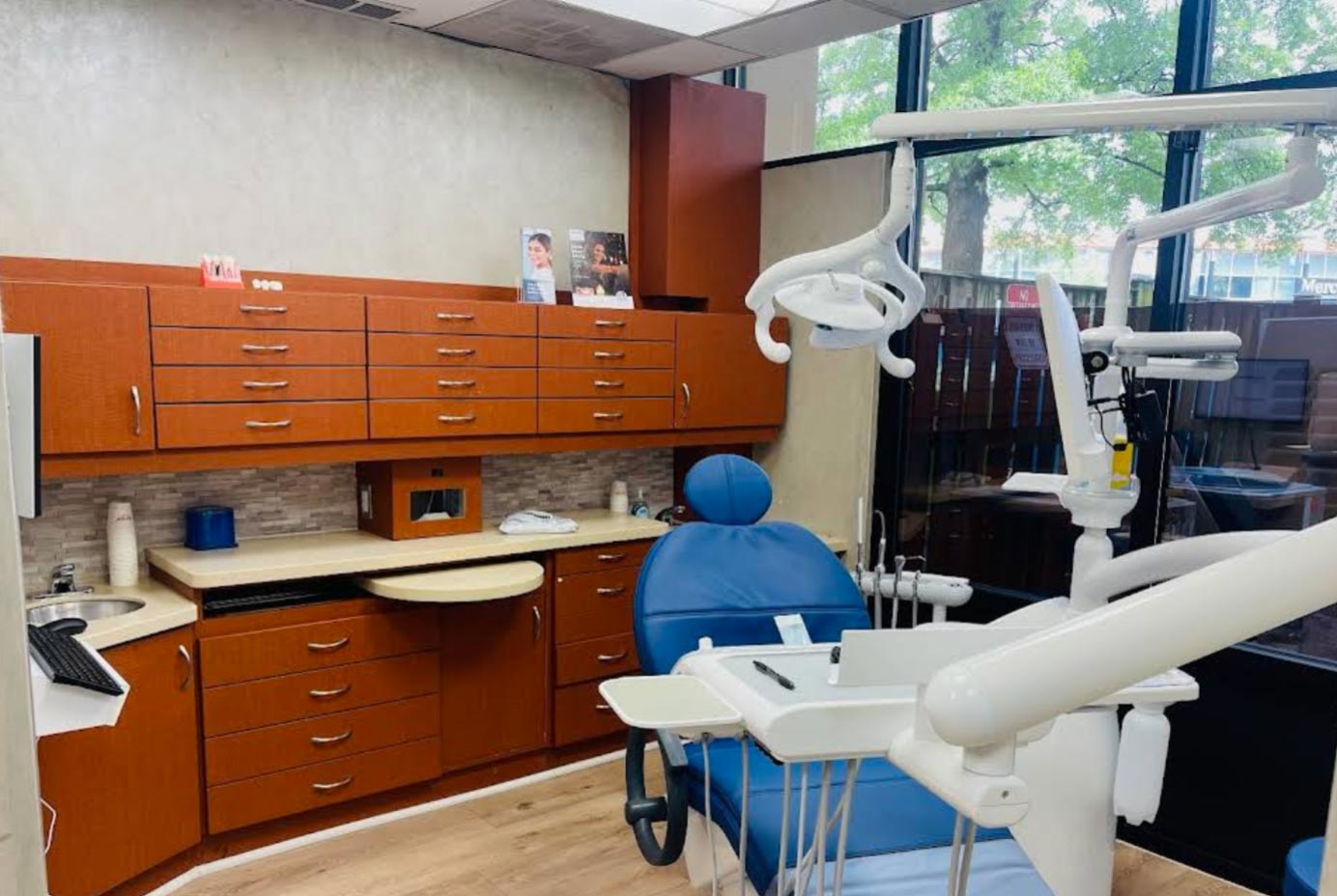
We are here to help you take the next step toward a healthier smile.
Whether you have questions about our services, insurance, or scheduling your first visit, our team is ready to assist you.
We welcome new and returning patients and are happy to help you find a time that fits your schedule. Reach out to our office today to schedule an appointment or learn more about how we can support your oral health. We look forward to welcoming you to our practice.