At Ballston Dental Center, we view prevention as the foundation of lasting oral health. A thoughtfully designed preventative program reduces the likelihood of cavities, gum disease, and other dental problems while helping protect overall wellness. Rather than waiting for pain or obvious symptoms, patients benefit most when care is proactive, regular, and tailored to their individual risks and life stage.
Oral health and general health are closely connected. Chronic inflammation in the mouth can influence conditions elsewhere in the body, and untreated infections can complicate existing medical issues. A preventative program identifies small problems early—often before they cause symptoms—so patients avoid more extensive treatment and potential systemic consequences.
Regular dental oversight also creates opportunities to screen for non-dental concerns that present orally, such as signs of nutritional deficiencies, medication-related changes, or early indicators of systemic disease. These discoveries allow the dental team to coordinate with medical providers when appropriate, ensuring a more integrated approach to a patient’s overall care.
When prevention becomes routine, patients experience fewer interruptions to daily life from dental problems. Consistent appointments and monitoring reduce the cumulative impact of dental disease and support better long-term outcomes for both teeth and supporting tissues.
A preventive appointment includes more than a quick check of the teeth. Clinicians perform a careful exam of the teeth, gums, jaw joints, and soft tissues, looking for early signs of decay, periodontal disease, and oral cancer. This hands-on evaluation is complemented by diagnostic tools and a review of any recent changes in health or medications that could affect oral care.
Professional cleaning removes hardened plaque and polishing minimizes surface stains that regular brushing cannot eliminate. For many patients, hygiene visits also include targeted periodontal assessments to measure gum health and detect pockets or recession that may require closer follow-up.
Depending on individual needs, the team may recommend bite and airway assessments, updates to radiographic imaging, or other diagnostics that inform preventive strategies. Every visit concludes with a clear summary of findings and practical guidance so patients leave with actionable steps to keep their mouths healthy between appointments.
At-home routines are the most powerful complement to professional care. Effective daily habits—consistent brushing with fluoride toothpaste, cleaning between teeth with floss or interdental cleaners, and minimizing frequent sugary exposures—lower the burden of plaque and decay risk. Simple improvements in technique and timing can produce measurable results within weeks.
Nutrition plays an important role as well. A balanced diet that limits frequent snacking and sugary beverages supports enamel health and reduces bacterial growth. Hydration and attention to saliva-supporting behaviors matter too, because saliva helps neutralize acids and remineralize teeth.
Behavioral factors such as tobacco use, bruxism (tooth grinding), and certain oral piercings affect oral tissues and treatment planning. Patients benefit from straightforward, personalized advice about how to modify habits that undermine oral health and steps they can take immediately to protect their smile.
Preventive care adapts to a patient’s age and risk profile. For children, early visits focus on establishing comfortable routines, monitoring eruption patterns, and applying protective measures such as topical fluoride and dental sealants when appropriate. These interventions dramatically lower the chance of decay in vulnerable chewing surfaces.
Adolescents and adults with higher risk—those with a history of extensive decay, reduced saliva, certain medical conditions, or tobacco exposure—often require more frequent monitoring and a layered prevention strategy. This may include expanded hygiene coaching, targeted fluoride applications, or customized oral care tools to address specific needs.
Special populations, including pregnant patients and those with chronic health conditions, also benefit from prevention plans that respect timing, safety, and coordination with medical care. The goal is to reduce risk while preserving comfort and convenience for people with complex schedules or heightened sensitivity.
A successful preventative program is collaborative. During initial and follow-up visits, the dental team assesses risk factors and talks through realistic steps patients can take at home. Together, clinicians and patients set a schedule for routine visits, decide which preventive therapies are most appropriate, and identify measurable goals for oral health improvement.
Patient education is central to this process. Clear demonstrations, individualized coaching, and progress checks help patients gain confidence in their daily care. When issues arise, the team focuses on practical solutions that fit each patient’s lifestyle rather than one-size-fits-all recommendations.
Ballston Dental Center supports prevention through consistent communication and evidence-based interventions. By aligning clinical care with a patient’s habits and health status, the practice helps people maintain healthy smiles with fewer surprises and less invasive treatment over time.
In summary, a comprehensive preventative program combines professional exams, targeted treatments, and dependable home care to protect oral and overall health. If you’d like to learn more about how a prevention plan can be tailored to your needs, contact us for more information.


A preventive program is a coordinated set of clinical services and at-home practices designed to stop dental disease before it progresses. It emphasizes routine monitoring, targeted treatments, and patient education to reduce the likelihood of cavities and gum disease. Rather than waiting for pain or visible problems, preventive care focuses on early detection and risk reduction.
When prevention is consistent, patients need fewer invasive procedures and experience better long-term outcomes. This approach also supports general health by minimizing chronic oral inflammation that can affect other body systems. Ballston Dental Center builds prevention plans that reflect each patient's risks, life stage, and preferences.
Oral health and overall health are closely linked, with chronic oral inflammation contributing to systemic inflammation and potentially complicating existing medical conditions. Untreated oral infections can have ripple effects beyond the mouth, so identifying problems early reduces those risks. Regular preventive care creates opportunities to identify non-dental signs such as medication effects or nutritional deficiencies that present in the mouth.
When dental clinicians detect concerning findings they can coordinate with a patient's medical providers to ensure safe, integrated care. This collaboration helps manage complex cases such as diabetes or cardiovascular disease where oral status may influence overall health. Patients who maintain routine preventive visits are more likely to avoid systemic complications related to chronic oral disease.
A comprehensive preventive visit begins with a careful hands-on examination of the teeth, gums, jaw joints, and soft tissues to look for decay, periodontal disease, and abnormal lesions. Clinicians review recent medical history and medications to identify factors that affect oral risk. Diagnostic tools such as digital radiographs and intraoral imaging are used selectively to reveal hidden problems. The visit also includes screenings for signs of oral cancer and assessments of bite and airway when indicated.
Professional hygiene removes hardened plaque and polishes tooth surfaces, reducing staining and bacterial load. For patients with gum concerns, periodontal measurements are recorded to detect pockets or recession that need follow-up. Every visit concludes with a plain-language summary of findings and practical recommendations for home care.
Daily home care is the single most important complement to clinical prevention and determines much of a patient's long-term outcome. Effective routines include daytime and nighttime brushing with fluoride toothpaste and cleaning between teeth with floss or interdental cleaners. Technique and timing matter; simple adjustments in method can reduce plaque and improve gum health within weeks. Consistent habits also lower the need for restorative treatment over time.
Dietary choices influence decay risk, so reducing frequent snacking and sugary drinks supports enamel strength. Hydration and behaviors that support saliva production are helpful because saliva neutralizes acids and aids remineralization. Clinicians can provide personalized coaching and product recommendations to make daily care more effective and sustainable.
Preventive care for children emphasizes early, gentle visits that establish comfort with the dental team and encourage lifelong habits. Clinicians monitor eruption patterns and growth while applying topical fluoride or sealants to vulnerable chewing surfaces when appropriate. These interventions substantially reduce the risk of decay on molars and other high-risk areas.
Parents receive practical guidance on brushing technique, nutrition, and strategies to minimize sugary exposures during meals and snacks. Behavioral counseling and routine scheduling help children adapt to care and reduce dental anxiety. Early prevention also allows clinicians to identify developmental concerns and coordinate care with pediatric providers when necessary.
Adults with higher risk—such as those with a history of extensive decay, dry mouth, certain medical conditions, or tobacco use—benefit from a layered preventive strategy. This approach may include more frequent clinical monitoring, targeted fluoride treatments, and customized interdental tools to address specific vulnerabilities. Risk-based plans are adjusted over time as health status and habits change.
Special populations, including pregnant patients and those with chronic illnesses, require prevention plans that consider timing, safety, and coordination with medical care. Your dental team can tailor procedures and screening schedules to protect both oral and overall health while minimizing discomfort. The goal is to reduce risk without creating unnecessary barriers to routine care.
The frequency of preventive visits depends on individual risk and oral health status rather than a one-size-fits-all timetable. Many patients are well served by twice-yearly hygiene and exam visits, while others with higher risk may need more frequent monitoring. Your clinician will recommend an interval based on clinical findings, history of disease, and factors such as saliva flow and medications. Adjusting the schedule proactively helps catch changes early and reduces the chance of complex treatment later.
Between scheduled appointments, the team may request interim checks if new symptoms, dental pain, or changes in medication occur. Clear communication about home care progress and any new health developments helps the dental team refine recommendations. This dynamic approach keeps prevention responsive to real-life changes.
Topical fluoride and dental sealants are evidence-based preventive tools that protect tooth structure and reduce decay risk. Fluoride strengthens enamel by enhancing remineralization, while sealants physically block grooves on molar chewing surfaces where decay commonly starts. These therapies are most effective when used as part of a broader prevention plan tailored to age and risk.
Application of fluoride varnish and sealants is quick, safe, and typically performed during routine hygiene visits when clinically indicated. Clinicians discuss the expected benefits, safety considerations, and recommended frequency of application based on individual needs. When combined with good home care, these measures substantially lower the likelihood of future restorative treatment.
Screening for oral cancer and systemic signs begins with a thorough visual and tactile exam of the soft tissues, tongue, floor of mouth, and oropharynx. Clinicians look for persistent sores, asymmetry, unexplained lumps, and tissue changes that warrant further evaluation. Medical history and risk factors such as tobacco and alcohol use are reviewed to contextualize findings. When suspicious signs are found, the team documents findings and recommends appropriate follow-up or referral.
Dental clinicians also watch for oral manifestations of systemic conditions, including medication-related changes and nutritional deficiencies. When such indicators appear, the practice coordinates with medical providers to support integrated care. Early detection through routine screening improves the chances of timely, effective interventions.
A personalized prevention plan is developed collaboratively during initial and follow-up visits and reflects each patient's risks, goals, and lifestyle. Clinicians explain recommended therapies, set achievable home-care goals, and establish a monitoring schedule to measure progress. Ballston Dental Center emphasizes clear demonstrations and individualized coaching so patients feel confident in daily care.
Progress checks and open communication allow the team to refine the plan as circumstances change, such as alterations in health, medications, or habits. Patient education is central: practical tips, product advice, and brief hands-on coaching reinforce good habits and make prevention manageable. By aligning clinical interventions with realistic home routines, the practice helps patients maintain healthier smiles with fewer surprises.
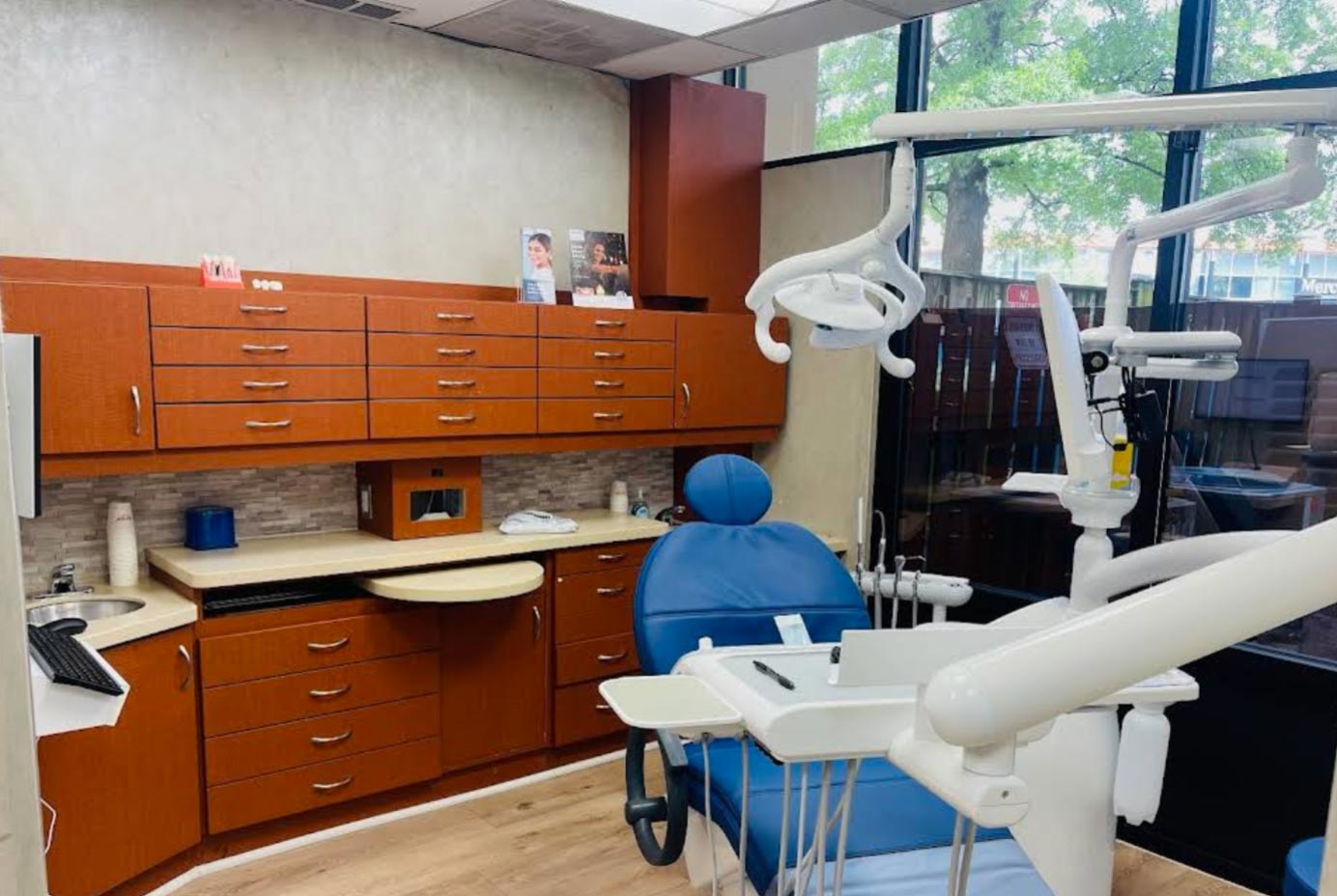
We are here to help you take the next step toward a healthier smile.
Whether you have questions about our services, insurance, or scheduling your first visit, our team is ready to assist you.
We welcome new and returning patients and are happy to help you find a time that fits your schedule. Reach out to our office today to schedule an appointment or learn more about how we can support your oral health. We look forward to welcoming you to our practice.