Gum disease is the leading cause of adult tooth loss, and it often develops quietly over time. The Centers for Disease Control and Prevention estimate that nearly one in two adults over 30 shows signs of periodontal disease — a condition that affects the tissues holding your teeth in place. At the office of Ballston Dental Center, we focus on early detection and practical care plans so patients can protect their smiles and overall health.
Healthy gums do more than keep your smile looking its best; they are an essential part of your body's defense system. The tissues that surround and support the teeth — the periodontium — form a barrier against bacterial invasion. When that barrier is compromised, bacteria and inflammation can spread, increasing the risk of localized tooth problems and contributing to systemic health concerns.
Research continues to show associations between periodontal inflammation and conditions like cardiovascular disease, diabetes, and respiratory illnesses. While these links don’t mean gum disease directly causes these systemic issues in every case, maintaining periodontal health is a proven way to reduce inflammatory burden and support your general well-being.
Because periodontal disease can progress without obvious pain, regular examinations and periodontal assessments are essential. Routine checkups allow us to spot early signs and intervene with conservative measures before more extensive problems develop.
Gum disease typically begins with subtle changes that are easy to miss: slight bleeding during brushing, mild redness, or gum tenderness. These early warning signs are your body’s signal that bacteria and plaque are irritating the soft tissues. Left unaddressed, that irritation can develop into tissue breakdown and bone loss.
Pay attention to changes in how your teeth feel or fit together, new gaps forming between teeth, persistent bad breath, or sensations of looseness — these are reasons to schedule a dental evaluation. During a visit, we assess pocket depths, check for mobility, and evaluate bone support using clinical and radiographic tools.
Preventive habits at home remain the foundation of periodontal health: consistent brushing, daily interdental cleaning (floss or interdental brushes), and routine professional cleanings help keep bacterial buildup under control. When home care is supplemented by regular professional monitoring, progression to advanced disease is far less likely.

Gingivitis is the earliest, reversible form of gum disease. In this stage the inflammation is limited to the soft tissues and has not yet caused destruction of the supporting bone. With professional care and improved oral hygiene, gingivitis can usually be resolved and tissue health restored.
When inflammation persists, it can advance to periodontitis. At that point the connective tissue fibers and alveolar bone that anchor teeth begin to break down. Signs of periodontitis include deeper periodontal pockets, gum recession, and gradual loss of bone around teeth. Disease progression varies widely among individuals and is influenced by factors such as smoking, systemic health, genetics, and oral hygiene.
Timely intervention can slow or halt the course of periodontitis and preserve as much natural support as possible. The goal of treatment is to control infection, reduce pocket depths, and create an environment where daily home care can be effective over the long term.
Non-surgical care is the first line of defense for managing periodontal inflammation. Scaling and root planing — often described as deep cleaning — removes plaque and calculus from beneath the gumline and smooths root surfaces so the tissue can reattach. These procedures are performed with local measures to keep you comfortable and are often supplemented with targeted antimicrobial therapies when indicated.
Adjunctive treatments may include localized antimicrobial placement or a short course of systemic medication in cases with aggressive bacterial profiles or specific risk factors. Laser-assisted therapies are another option that can complement mechanical cleaning in selected situations, helping to reduce pocket depth and bacterial load while minimizing tissue trauma.
Successful non-surgical therapy depends on patient participation: improved daily oral hygiene, thoughtful tobacco cessation when applicable, and adherence to recommended maintenance intervals are essential. For many people, these measures result in marked improvement and durable control of disease without surgical intervention.

When periodontal pockets are too deep for effective cleaning or when there has been measurable bone loss, surgical therapies can be used to access and clean root surfaces, reshape tissues, and restore a healthier architecture. Flap procedures allow clinicians to visualize and debride root surfaces thoroughly, then reposition tissues for improved healing and easier home care.
Regenerative techniques — such as bone grafts and guided tissue regeneration — aim to restore lost attachments and bone when conditions are favorable. These procedures can improve long-term tooth stability and create a foundation for restorative solutions when teeth must be rebuilt or replaced.
Today’s periodontal surgery is less invasive and more predictable than in past decades. Careful case selection, modern materials, and refined surgical techniques often lead to meaningful improvements in function and appearance. As with non-surgical care, post-operative maintenance and excellent daily hygiene are critical to protect those results.
Scaling and root planing is the cornerstone of conservative periodontal therapy. By removing subgingival deposits and smoothing the roots, we reduce the stimulus for inflammation and give the tissues a chance to reattach. Local antimicrobial agents can be used as an adjunct when appropriate.
For patients with shallow to moderate pockets and good overall health, non-surgical strategies frequently restore stability and prevent further progression without the need for an operative procedure.
Flap surgery provides direct access to diseased root surfaces for thorough cleaning and allows the clinician to recontour bone or place grafting materials when needed. Regenerative techniques aim to rebuild lost structures and improve long-term tooth support.
When indicated, technologies such as lasers may also be integrated into treatment planning to address pocket reduction, treat peri-implantitis, or refine soft tissue contours for both health and aesthetics.

Your first step is a thorough periodontal assessment to measure pocket depths, evaluate gum recession, and assess bone levels with appropriate imaging. From there we create an individualized plan that may begin with non-surgical therapy and progress to surgical options only if necessary. Every plan emphasizes reducing infection and restoring a patient’s ability to maintain oral health at home.
During procedures we prioritize comfort and clear communication. Healing varies by procedure and by patient, but most people return to normal activities quickly with simple post-operative care. Follow-up appointments focus on evaluating tissue response, reinforcing home care habits, and scheduling professional maintenance visits tailored to your needs.
Long-term success depends on partnership: regular periodontal maintenance, consistent daily cleaning, and periodic professional assessments help keep inflammation in check and protect the investments made in your oral health.
Periodontal care is most effective when it combines evidence-based clinical techniques with individualized attention to a patient’s unique risks and needs. Our team uses current diagnostic tools and treatment options to create clear, realistic plans focused on preserving natural teeth and improving oral function.
Ballston Dental Center brings this practical, patient-centered approach to periodontal care. We aim to make recommendations that are clinically sound and aligned with each patient’s overall health goals, always emphasizing prevention and minimally invasive options whenever possible.
If you’re concerned about bleeding gums, persistent bad breath, or changes in how your teeth feel, a timely periodontal evaluation is an important step. Early action preserves options and increases the likelihood of conservative, effective treatment.
In summary, periodontal disease ranges from reversible inflammation to destructive conditions that threaten tooth support. With attentive prevention, early intervention, and modern treatment options — both non-surgical and surgical — many patients achieve stable, long-term results. Contact us to learn more about periodontal care and how we can help you protect your smile.
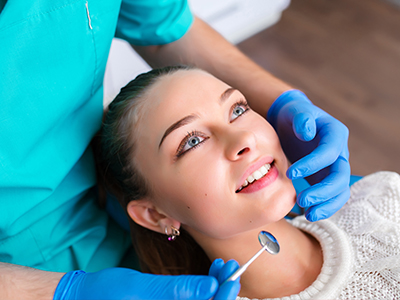

Most people don’t realize that periodontal disease is the leading cause of tooth loss among adults. According to statistics from the Centers for Disease Control and Prevention, one out of every two adults over the age of 30 in the United States has periodontal disease.
You may be surprised to learn that the human mouth is home to a wide variety of microbes. The fact is that over 700 different strains of bacteria have been detected in the oral cavity. Although some of these bacteria are beneficial, others are harmful to oral health. Without proper oral hygiene and routine dental care, these harmful bacteria can cause tooth decay and gum disease, compromising both your oral health and overall wellbeing.
In addition to inadequate oral hygiene and infrequent professional care, other factors, including smoking, genetic tendencies, and unchecked diabetes, can contribute to the escalation of periodontal disease.
Your gums and teeth have an interdependent relationship, which means healthy teeth depend on the support of healthy gums. Also, taking care of your smile does more than keep your teeth and gums in optimal condition; good oral health also supports systemic health. In addition to being the leading cause of tooth loss in adults, researchers are finding more and more links between periodontal disease and a number of medical problems, including heart disease, stroke, diabetes, respiratory problems, and adverse pregnancy outcomes such as pre-term and low birth-weight babies.
If you notice that your gums are bleeding with the slightest pressure while brushing or flossing, it’s a sign of gingivitis. Although gingivitis is the earliest stage of gum disease, it can easily be reversed with deeper cleanings as well as an improved regimen of oral hygiene at home.
In the absence of professional treatment and better home care, gingivitis progresses to the next stage, which is known as periodontitis. In this stage, the connective tissue and bone that hold the teeth in place begin to break down with an increase in pocketing between the teeth and bone, gum recession, and bone loss. Without proper treatment by your dentist, periodontitis will progress from a mild to moderate loss of supporting tissue to the destruction of the bone around the teeth.
Although gingivitis can often be reversed with improved oral hygiene and professional cleanings, as periodontal disease advances, more extensive procedures are required to halt its progression. Based on a complete assessment of your periodontal health and a review of possible contributing factors, our office will recommend the best options in care. Treatment for periodontitis may include a series of deeper cleanings known as root planing and scaling, surgical procedures to reduce pocket depth, bone or tissue grafts, laser procedures, or antimicrobial medications.
The cost of care depends on the type of procedures required to restore your periodontal health. If you have dental insurance, plans often cover treatment to prevent gum disease as well as many procedures to treat the various stages of gum disease. Our goal is to help patients restore and maintain good oral health. We do all we can to help you begin care without additional stress or delay. Our business office works with you to maximize your benefits and provide easier, more convenient payment options.
By seeing our office regularly for care and doing your best to eat a healthy diet and practice good oral hygiene, you can keep your smile in tip-top shape as well as protect your overall wellbeing.
At the office of Ballston Dental Center, we provide a comprehensive range of services to address all your oral healthcare needs. You can rest assured that your smile is in the best of hands at our office. Our skilled and experienced team maintains a position at the forefront of advances in care and remains dedicated to providing the highest quality of skilled and compassionate treatment.
Periodontal disease is an infection-driven inflammation of the tissues that support the teeth, collectively called the periodontium. It often begins as gingivitis, a reversible inflammation of the gum margin, and can progress to periodontitis when the supporting connective tissue and bone begin to break down. Early stages may be subtle, which is why routine periodontal assessments are important for timely intervention.
When inflammation persists, bacterial biofilm and the body’s immune response can cause pocket formation, gum recession, and bone loss around teeth. Disease progression varies by individual and is influenced by factors such as oral hygiene, smoking, systemic health, and genetics. With appropriate treatment and maintenance, progression can be slowed or halted to preserve natural teeth and oral function.
Common early signs include bleeding during brushing or flossing, persistent bad breath, gum redness, and swelling. As disease advances, patients may notice gum recession, increased tooth sensitivity, changes in how teeth fit together, or a feeling of looseness. Any of these changes warrant a timely dental examination to determine whether periodontal disease is present.
Because gum disease can progress without pain, routine checkups allow clinicians to measure pocket depths, check for mobility, and review radiographs for bone loss. Detecting issues early increases the likelihood of resolving inflammation with conservative care and reduces the need for more invasive procedures. A clear, documented periodontal assessment also helps guide individualized maintenance plans.
The primary cause of periodontal disease is bacterial plaque that accumulates at and below the gumline, triggering an inflammatory response in susceptible individuals. Risk factors that increase susceptibility include smoking, poorly controlled diabetes, certain medications, genetic predisposition, and a history of inadequate oral hygiene. These factors influence both the severity of inflammation and the rate of tissue breakdown.
Age and systemic health also play a role, with middle-aged and older adults more likely to show signs of periodontal disease. Lifestyle measures such as tobacco cessation and tight control of systemic conditions can reduce risk, while consistent professional care and home hygiene help limit bacterial buildup. A complete risk assessment during an exam helps tailor preventive and therapeutic recommendations.
Diagnosis begins with a comprehensive clinical exam that includes measuring periodontal pocket depths, assessing bleeding on probing, evaluating gum recession, and checking for tooth mobility. Dental radiographs are used to evaluate bone levels and identify patterns of bone loss that may not be visible during a visual exam. Together these findings are recorded in a periodontal chart to document disease extent and severity.
In some cases, additional tests such as microbial sampling or medical consultations are recommended to clarify risk factors or to guide adjunctive therapy. The clinician will combine clinical data, imaging, and a review of medical history to create a personalized treatment plan. Clear communication about findings helps patients understand the goals and expected outcomes of recommended care.
Non-surgical therapy is the first-line treatment for most cases and centers on scaling and root planing, often called a deep cleaning, to remove plaque and calculus from root surfaces beneath the gumline. Local antimicrobial agents may be placed in pockets when indicated, and laser-assisted therapies can be used as adjuncts in selected situations to reduce bacterial load. These procedures are typically performed with measures to enhance patient comfort and may require multiple appointments depending on disease severity.
Successful non-surgical therapy depends heavily on patient participation through improved daily oral hygiene and any recommended lifestyle changes, such as stopping tobacco use. After initial therapy, clinicians reassess tissue response and pocket depths to determine whether additional treatment is needed. Many patients achieve stable, long-term control of inflammation with conservative care combined with an individualized maintenance schedule.
Surgical therapies are considered when pockets remain too deep for effective non-surgical cleaning or when measurable bone loss threatens tooth support. Procedures such as flap surgery provide direct access to root surfaces for thorough debridement and allow the clinician to recontour bone or place grafting materials when appropriate. Regenerative techniques, including bone grafts and guided tissue regeneration, aim to rebuild lost attachment and improve the foundation for long-term stability.
Modern periodontal surgery tends to be less invasive and more predictable than in decades past due to refined techniques and improved biomaterials. Case selection is important: surgeons evaluate systemic health, smoking status, and oral hygiene to determine the likelihood of a favorable outcome. Post-operative maintenance and meticulous home care are essential to protect surgical gains and preserve tooth function.
Your care begins with a thorough periodontal assessment and an individualized plan that may start with non-surgical therapy and progress to surgical options only if necessary. Local anesthesia is commonly used to ensure comfort during procedures, and clinicians explain post-operative instructions clearly to support healing. Most patients experience manageable discomfort that improves quickly with recommended analgesics and proper home care.
Healing timelines vary by the type of procedure performed and individual factors, but many people return to normal activities within a few days to a week after conservative treatment and within a few weeks after more advanced surgical care. Follow-up visits focus on monitoring tissue response, reinforcing home care techniques, and scheduling periodontal maintenance tailored to your needs. Open communication with the care team at Ballston Dental Center helps address concerns and optimize recovery.
Daily preventive habits are the foundation of periodontal health and include brushing twice a day with a fluoride toothpaste and cleaning between teeth once daily using floss or interdental brushes. Reducing risk factors such as tobacco use and managing systemic conditions like diabetes also supports gum health. In some cases, clinicians may recommend adjunctive products such as antimicrobial rinses or specific interdental devices to address individual needs.
Regular professional cleanings and periodontal assessments are important because they remove biofilm and calculus that cannot be fully addressed at home. Maintaining a balanced diet and staying hydrated support oral tissues and overall immunity. Consistent preventive care greatly reduces the likelihood of progression from gingivitis to destructive periodontitis.
Periodontal maintenance refers to ongoing professional visits after active therapy to control bacterial biofilm, monitor pocket depths, and detect early signs of recurrence. These appointments are more frequent than routine cleanings and are scheduled at intervals that match each patient’s risk profile, commonly every three months for many patients. Maintenance visits include careful cleaning of root surfaces, reinforcement of home care, and documentation of clinical changes over time.
Adherence to a tailored maintenance program is the single most important factor in preserving the results of periodontal treatment and preventing future tooth loss. Regular monitoring also allows clinicians to make timely adjustments to care when needed and to coordinate with other dental or medical providers if systemic issues influence periodontal health. Long-term success depends on partnership between the patient and the dental team.
Periodontal inflammation around natural teeth and peri-implant tissues around implants share similar bacterial and inflammatory mechanisms, so uncontrolled gum disease can threaten the success of implant therapy. Treating periodontal disease before implant placement is essential to create a healthy environment for osseointegration, and ongoing maintenance after implantation helps prevent peri-implantitis. Cleaning around implants also requires specific techniques because implant surfaces and restorative components differ from natural tooth structures.
When periodontal disease is advanced, when regenerative techniques are needed, or when peri-implant complications arise, referral to or coordination with a periodontist may be recommended. The dental team can help determine the appropriate level of specialist involvement and integrate periodontal care with restorative treatment plans. Ballston Dental Center works to coordinate care so that periodontal, implant, and restorative goals align for a predictable outcome.
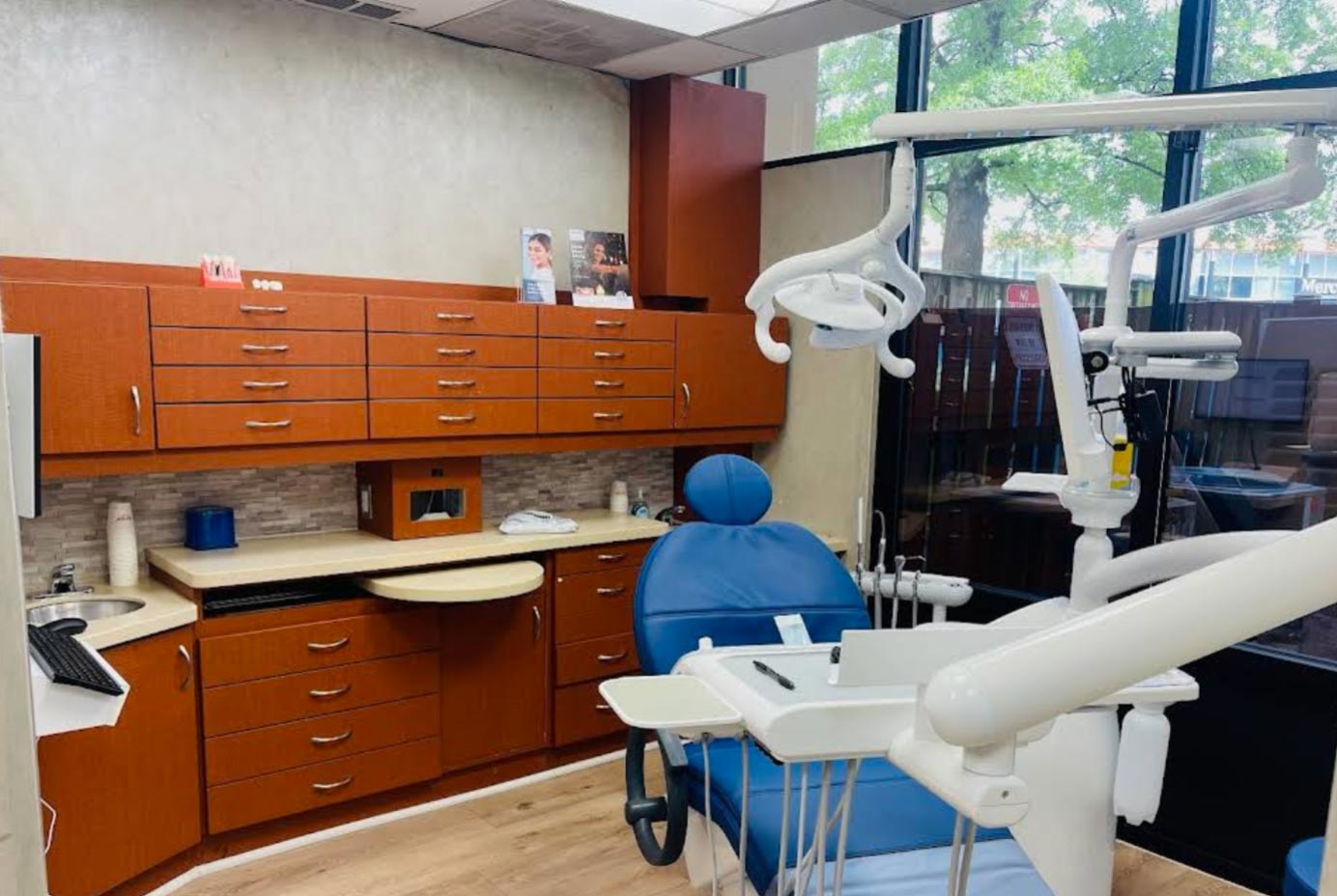
We are here to help you take the next step toward a healthier smile.
Whether you have questions about our services, insurance, or scheduling your first visit, our team is ready to assist you.
We welcome new and returning patients and are happy to help you find a time that fits your schedule. Reach out to our office today to schedule an appointment or learn more about how we can support your oral health. We look forward to welcoming you to our practice.