At Ballston Dental Center, we focus on nurturing healthy smiles in children through thoughtful, age-appropriate dental care. Our goal is to help families build lasting routines that support oral health, confident smiles, and positive experiences at the dentist from infancy through the teenage years.

The earliest dental visits set the tone for a child’s relationship with oral health. We emphasize gentle introductions to the dental chair and clear, simple explanations for both children and caregivers. When visits are positive and routine, kids learn that dental care is normal, not frightening — and parents gain the knowledge they need to reinforce good habits at home.
Preventive care is the cornerstone of pediatric dentistry: regular exams, cleanings, fluoride where appropriate, and sealants for vulnerable surfaces all work together to reduce the risk of decay. We tailor recommendations to each child’s age and development, so care evolves as their needs change from baby teeth to mixed dentition and then to permanent teeth.
Our team approaches every appointment with patience and clarity. Young patients benefit from a calm environment, tools and techniques that make appointments shorter and more comfortable, and staff who explain procedures in kid-friendly language. Parents leave equipped with practical guidance — from brushing technique to snack choices — so the daily routine supports long-term oral health.
We also pay attention to behavior and special needs. For children who experience anxiety or require an adjusted approach to treatment, we discuss options that prioritize safety, comfort, and effective care while preserving a positive dental experience for years to come.
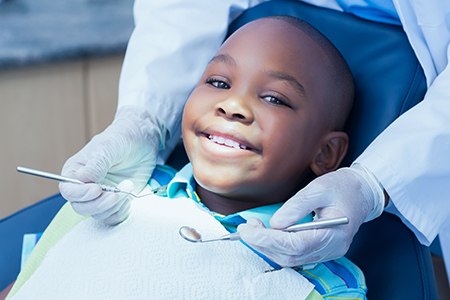
Consistent dental checkups allow clinicians to track growth, spot early signs of decay, and address small problems before they become complex. For most children, twice-yearly visits provide the right balance of monitoring and preventive care, but we personalize schedules for children with higher risk factors or special health considerations.
Each exam is a comprehensive snapshot: a review of medical history, an assessment of the teeth and gums, and an evaluation of jaw growth and bite development. Whenever necessary, we use low-dose digital radiographs to look beneath the surface and make informed decisions about treatment or monitoring.
Professional cleanings remove plaque and calculus that brushing can miss, and provide an opportunity to reinforce home care with demonstrations and age-appropriate coaching. These visits are also a chance to address parents’ questions about teething, pacifier use, thumb-sucking, and other common concerns.
Tooth decay remains a leading health issue for children, but it is largely preventable. Decay develops when plaque bacteria produce acids that erode enamel, a process accelerated by frequent exposure to sugary snacks and sips. Teaching and reinforcing brushing, flossing, and smart eating habits gives children a powerful defense.
In-office measures like fluoride applications and sealants provide an extra layer of protection for young smiles. Fluoride helps strengthen enamel, while sealants shield the deep grooves of molars where food and bacteria tend to collect. These interventions are minimally invasive and highly effective at reducing cavities.
Parents play a central role in prevention: limiting sugary drinks, avoiding bottle-at-bedtime habits, and supervising brushing until children can reliably perform the task themselves are practical steps that yield big results. We work with families to create realistic routines that fit busy lives while promoting oral wellness.
Establishing a dental partnership early — begin visits around the first birthday or when the first tooth appears
Keeping your baby’s and toddler’s teeth and gums clean with gentle wiping or an appropriately sized soft brush
Not allowing a bottle of milk or juice at bedtime to reduce the risk of early tooth decay
Bringing your child in for routine checkups and cleanings as recommended by your dental team
Leading by example — practicing regular brushing and flossing together to reinforce the habit
Promoting nutritious snacking and replacing sugary beverages with water to support both oral and overall health
Gently guiding children away from pacifiers and thumb-sucking at appropriate ages to protect dental development
Ensuring a properly fitted mouthguard for children who participate in organized sports

Even before a child’s first birthday, the foundations of oral health are forming. Primary teeth typically begin to erupt between six and twelve months and continue to come in through the toddler years. Early visits introduce families to preventive strategies and help make future appointments familiar and reassuring.
Cleaning a baby’s gums and emerging teeth is simple but important: a soft cloth or an infant brush used after feedings helps keep bacteria in check. As more teeth appear, a tiny smear of fluoride toothpaste is appropriate under parental supervision; we’ll guide caregivers on the right timing and technique.
Teething can be uncomfortable but usually manageable with safe, non-medicinal approaches like chilled teething rings or gentle gum massage. When parents are unsure whether a symptom warrants attention, a quick call to the dental team can provide reassurance and direction.
Children’s teeth are vulnerable to accidental injuries during play and sports. A custom or well-fitted mouthguard dramatically reduces the risk of dental trauma to teeth, lips, and facial structures. We discuss options for everyday activity and organized athletics and can help fit a guard that balances protection and comfort.
When dental emergencies occur — from knocked-out teeth to sudden pain or swelling — timely care matters. Our approach is to assess the situation quickly, stabilize the problem, and plan follow-up treatment that addresses both the immediate concern and long-term oral health.
Knowing how to respond to common injuries (for example, retrieving a knocked-out tooth and keeping it moist) can improve outcomes. We provide practical guidance to parents on emergency steps and where to seek prompt dental attention when needed.
Monitoring facial growth and tooth development is part of comprehensive pediatric care. Early evaluation helps identify habits or developmental patterns that could influence alignment, bite function, or the need for orthodontic intervention later on. Detecting issues early often expands the range of conservative solutions.
Some alignment concerns are best addressed with interceptive treatment during mixed dentition, while others are more appropriate once permanent teeth are in place. We work with families to explain timing, options, and the signs that suggest a referral to an orthodontic specialist may be beneficial.
Good nutrition, consistent oral hygiene, and protective measures for sports all contribute to healthy development. By combining clinical monitoring with family-centered education, we help young patients transition smoothly through each stage of dental growth.
Our goal is to make pediatric dental care practical, informative, and supportive for both children and their caregivers. By focusing on prevention, early detection, and developmentally appropriate care, we aim to reduce anxiety and build competence — so children become adults who value and maintain their oral health.
If you’d like to learn more about caring for your child’s teeth or to discuss any specific concerns, please contact us for more information. Our team is happy to provide guidance tailored to your family’s needs.


A pedodontist is a dentist who has received advanced specialty training in meeting the dental needs of children from infancy to adolescence. Pedodontists, also referred to as "pediatric dentists," study child psychology, behavior management, caring for children with special needs, methods of handling oral/facial trauma, and various techniques for providing anesthesia and sedation. Pedodontists also understand the complexities of facial growth and development and have the clinical skills required to meet the dental needs of all children at every stage of development. Most of all, pedodontists are passionate about what they do and enjoy working with children. They strive to make every dental experience a positive one as they help children establish a strong foundation for good oral health.
Even before your child is born, their first set of teeth is already forming. In fact, by one year of age, some of your baby's front teeth will have already come into place. While the arrival of your baby's first teeth is only one of many developmental milestones, it represents an excellent time to begin a program of oral care. According to recommendations from the American Dental Association, babies should see the dentist around the time of their first birthdays.
Your baby's first teeth typically begin to appear in the 6 to 12-month range. While this is an extraordinary milestone, you need to be aware that your baby may find the experience a little bit uncomfortable. Teething can make babies feel irritable. They may be fussy, have trouble sleeping, not want to eat, and drool quite a bit.
Although you are powerless to speed up the process of teething, there are a few things that you can do to soothe your baby as the new teeth are erupting into place. Common approaches to helping your baby feel more comfortable while getting new teeth, include teething rings or a cold spoon or moist gauze rubbed over their gums.
Even for these few new teeth, it's absolutely essential to establish an effective regimen of oral care. For information on when your baby's first set of teeth will erupt into place, consult this timeline from the American Dental Association: Eruption Charts
Some children persist in sucking their thumbs or fingers beyond their preschool years. For these children, the activity continues to be a source of comfort, relaxation, and security. It may even help them fall asleep at night. However, it's essential to be aware that in the long-term, a finger sucking habit is not healthy.
If your child's thumb or finger sucking habit is still present when the permanent teeth begin to come in, your child is at a higher risk of developing a bad bite. By the age of five or six years, you need to constructively and gently help your child stop the habit.
It's also a good idea to have a comprehensive evaluation at this time. Your pedodontist can assess if there are any habit related alterations to the alignment of your child's teeth or jaws, or if it is affecting their speech or swallowing patterns. They can also discuss habit control strategies with you, as well as follow your child's bite and facial development as they grow. If interceptive appliances or corrective orthodontic care are recommended, the timetable and best options in care will be explained in complete detail.
Pediatric organizations generally recommend a child’s first dental visit by the first birthday or when the first tooth appears. Early visits allow clinicians to check development, identify potential concerns, and introduce families to preventive practices. A brief, gentle appointment sets expectations and helps children become comfortable with routine dental care.
During that visit the dental team typically reviews medical history, demonstrates infant cleaning techniques, and discusses feeding habits that affect oral health. Parents receive practical guidance on brushing with a soft brush or cloth and on the appropriate use of fluoride based on the child’s age. Establishing a positive relationship with the dental team early supports long-term oral health.
Most children benefit from twice-yearly checkups for exams and professional cleanings, which help control plaque and monitor growth. Frequency may be adjusted for children with higher decay risk, pending orthodontic concerns, or specific medical conditions. Your dental team will recommend a schedule tailored to your child’s individual needs and developmental stage.
Regular visits also provide opportunities for timely preventive treatments such as fluoride varnish and sealants when indicated. These appointments allow clinicians to reinforce home care techniques, review diet, and address behavior or habit questions. Ongoing monitoring helps identify small problems early when treatment is simpler and less invasive.
Preventive care commonly includes professional cleanings, topical fluoride applications, and dental sealants that reduce the risk of cavities on chewing surfaces. Fluoride treatments strengthen enamel and are applied in-office as varnish for young patients when clinically appropriate. Sealants are conservative, protective coatings placed in molar grooves to block food and bacteria from collecting.
These clinical measures are combined with individualized guidance on brushing technique, flossing, and nutrition to support daily oral health. The dental team assesses each child’s risk factors and tailors recommendations as the child grows and dentition changes. Together, prevention and education substantially lower the chance of decay and more extensive treatment later on.
Teething commonly causes mild gum irritation, drooling, and fussiness as primary teeth emerge between about six and twelve months. Parents can soothe discomfort with chilled teething rings, gentle gum massage, and comforting feeds; topical medications should be used only under professional guidance. Wiping gums with a soft cloth after feedings helps reduce bacteria around newly erupting teeth.
As more teeth appear, caregivers should begin using an appropriately sized soft toothbrush and a smear of fluoride toothpaste under supervision based on professional advice. The dental team can demonstrate safe cleaning techniques and discuss timing during early visits to build caregiver confidence. If symptoms such as prolonged fever, persistent swelling, or unusual pain occur, parents should contact the dental office for guidance.
Thumb-sucking and pacifier habits are common in infants and young children and usually do not cause lasting problems if they stop by the preschool years. Concern is warranted if a habit persists beyond age 3 to 4 or begins to affect tooth position, speech, or jaw growth. Early discussion with a dental provider helps determine whether intervention is needed and when to begin it.
The dental team can suggest gentle strategies to discourage habits, recommend alternatives, and monitor bite changes over time. Positive reinforcement, consistent routines, and age-appropriate counseling often succeed for most children. In persistent cases, the dentist may discuss targeted options or referrals that protect dental development while supporting the child emotionally.
Prompt action can improve outcomes for dental trauma such as a knocked-out tooth, severe pain, swelling, or a bite that no longer fits together. For an avulsed permanent tooth, find the tooth, gently rinse it without scrubbing, and keep it moist (ideally in milk or the child’s saliva) while seeking urgent dental care to increase the chance of successful reimplantation. For injured primary teeth, the priority is pain control and evaluation of any damage to surrounding tissues.
If a child has uncontrolled bleeding, signs of infection, or significant facial swelling, contact the dental office or seek emergency medical care right away. The dental team will assess, stabilize, and plan follow-up treatment that addresses immediate needs and long-term oral health. Knowing basic first-aid steps and having emergency guidance available helps families respond calmly and effectively.
Pediatric dental care emphasizes patience, clear communication, and techniques that reduce anxiety to create a positive experience for every child. Teams use age-appropriate language, demonstration, and graded exposure to build trust and cooperation during appointments. For children with developmental or medical conditions, individualized behavior management plans help ensure safety and effective treatment.
When appropriate, the office may offer scheduling adjustments, shorter visits, or preparatory strategies that involve caregivers to help the child succeed. If sedation or other specialized approaches are indicated, the dentist will explain safety protocols and expected benefits tailored to the child’s needs. Collaboration with pediatricians, therapists, and families supports coordinated care for complex cases.
Early monitoring of tooth alignment and jaw growth allows clinicians to identify signs that could benefit from an orthodontic evaluation during mixed dentition. Many alignment issues are first detectable by about age 7, when a combination of baby and permanent teeth reveals how the bite is developing. An early assessment does not always mean immediate treatment but helps plan the timing and type of any necessary intervention.
If the dentist observes crowding, bite asymmetry, severe spacing, or habits that influence alignment, a referral to a specialist may be recommended. Interceptive treatments can sometimes simplify or reduce the extent of later orthodontic work by guiding jaw growth with conservative appliances. Families are provided clear explanations of options and expected timelines to support informed decisions.
Parents can model and supervise brushing twice daily with fluoride toothpaste and introduce flossing as soon as teeth contact each other to build consistent habits. Choosing tooth-friendly snacks, limiting sugary sips between meals, and offering water as the primary beverage help reduce decay risk. Establishing predictable routines and making oral care a normal part of the day encourages long-term compliance.
Tools such as timers, fun toothbrushes, and positive reinforcement make brushing engaging and effective for children. Parents should bring questions about technique, toothpaste amounts, or diet to routine visits for tailored advice. Consistent home care combined with professional monitoring offers the best protection for growing smiles.
A pediatric visit at Ballston Dental Center begins with a friendly medical history review and a calm exam focused on comfort and education. The clinician will check teeth, gums, and bite, demonstrate home-care techniques, and recommend preventive services such as fluoride or sealants when appropriate. Visits are paced to suit the child’s age and temperament and to build a positive, trust-based relationship.
Professional cleanings remove plaque and allow the team to reinforce brushing and nutrition guidance while answering caregiver questions about teething, habits, or growth. If radiographs or additional diagnostics are needed, the dentist will explain their purpose and how they support safe, evidence-based care. Families leave with clear, actionable recommendations to support their child’s oral health between visits.
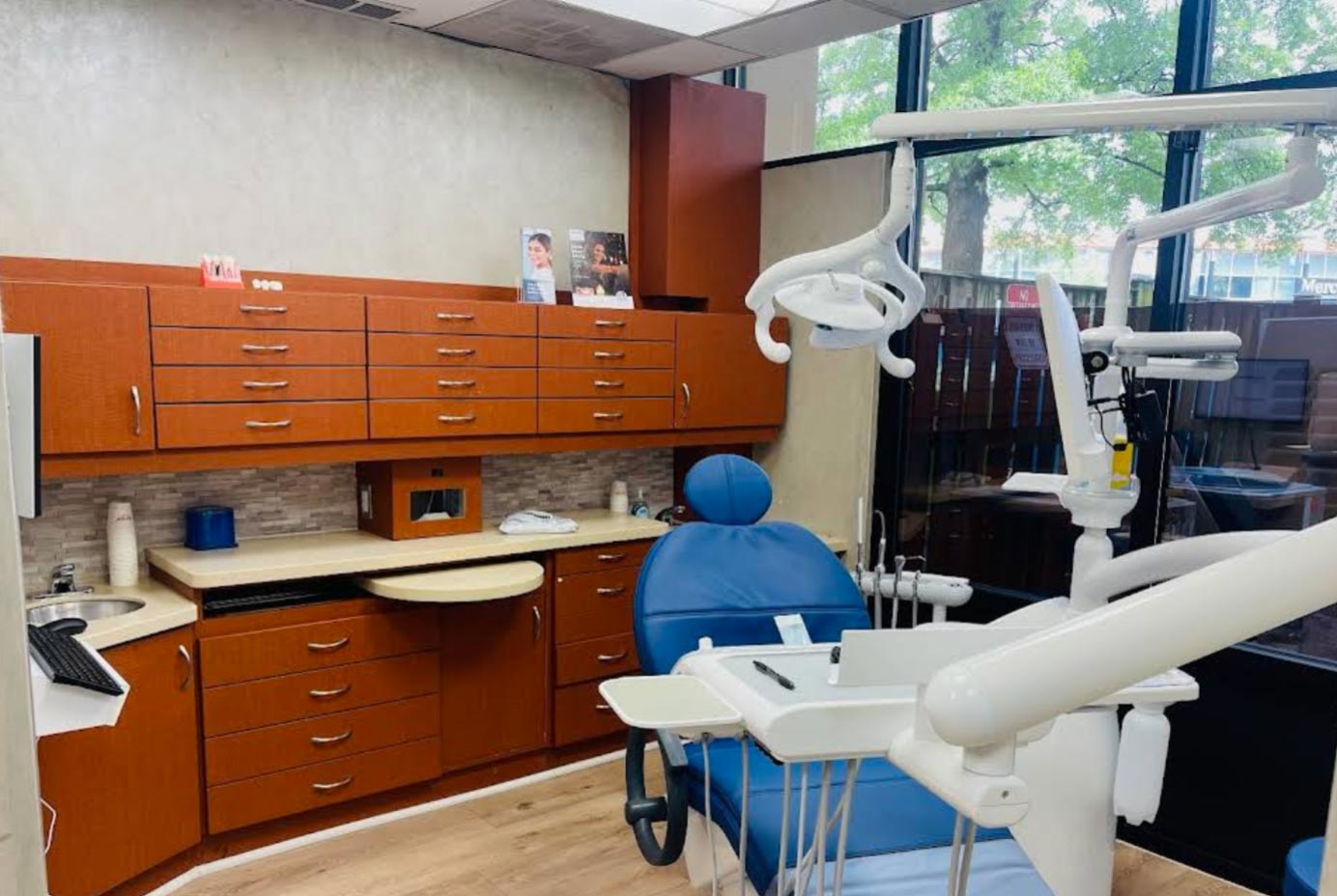
We are here to help you take the next step toward a healthier smile.
Whether you have questions about our services, insurance, or scheduling your first visit, our team is ready to assist you.
We welcome new and returning patients and are happy to help you find a time that fits your schedule. Reach out to our office today to schedule an appointment or learn more about how we can support your oral health. We look forward to welcoming you to our practice.