Orthodontics is the branch of dentistry focused on aligning teeth and jaws so they function well and look balanced in the face. Beyond cosmetics, orthodontic care helps correct crowded teeth, persistent gaps, misaligned bites, and the jaw differences that can affect chewing, speech, and long-term tooth health. Treatment can be aimed at one isolated problem or planned as part of broader restorative and preventive dental care.
People pursue orthodontic care for a range of reasons: to improve oral hygiene by making teeth easier to clean, to reduce abnormal wear patterns on enamel, to relieve strain on the jaw joints, or simply to feel more confident in their smile. Children, teens, and adults all benefit from orthodontic treatment—timing and techniques differ, but the underlying goal is the same: a stable, healthy bite that supports overall oral health.
Orthodontic approaches have evolved dramatically in recent years. Where treatment once meant only visible metal brackets and long adjustment periods, patients now have a spectrum of discreet and comfortable options. This page explains how contemporary orthodontics works, what factors influence treatment choices, and how modern tools let clinicians deliver predictable, personalized outcomes.

Tooth movement is a controlled biological process. When gentle, consistent force is applied to a tooth, the surrounding bone remodels: bone is removed on one side and rebuilt on the other, allowing the tooth to shift into a new position. Orthodontic appliances are designed to direct these forces precisely so teeth move in a predictable, healthy way without damaging roots or supporting structures.
Appliances range from fixed brackets and wires to removable devices and clear aligners. Each system applies force differently, but the principle is the same—incremental adjustments over time. Advances in materials, bracket design, and wire technology have made movement more efficient and more comfortable than earlier generations of orthodontic devices.
Because biological response and case complexity vary from person to person, treatment time is individualized. Minor tooth repositioning may take only a few months, while comprehensive bite correction can require a longer course of care. Regular monitoring ensures movement proceeds as planned and allows clinicians to fine-tune mechanics to stay on track.
Orthodontic planning begins with a thorough clinical exam, diagnostic images, and either impressions or digital scans. These records reveal the relationship of the teeth and jaws, the health of the supporting bone and gums, and any restorative needs that should be coordinated with orthodontic care. From these findings, the clinician builds a treatment plan tailored to both functional goals and aesthetic priorities.
The severity and type of bite problem (for example, crowding, spacing, crossbite, or open bite)
How much room the jaws provide for all the teeth and whether extractions are necessary
The relationship between the upper and lower jaws and the skeletal growth potential in younger patients
How long appliances need to be worn and whether removable versus fixed devices are appropriate
Patient factors such as oral hygiene habits, willingness to follow wear instructions, and any periodontal concerns
Growth in children presents both opportunities and limitations: timely intervention can guide jaw development and simplify later treatment. For adults, periodontal health and the condition of existing restorations influence the sequence of care. In all cases, the clinician balances the biological realities of tooth movement with the patient’s goals to arrive at a plan that is effective, efficient, and sustainable.

Clear aligners have expanded access to orthodontic care by offering a discreet, removable alternative to traditional braces. Custom-made from a series of graduated trays, aligners move teeth gradually as patients switch from one tray to the next. Because they are removable, aligners make daily oral hygiene and eating less restrictive, which many patients find convenient.
Aligner therapy suits a wide range of tooth-movement goals, but it is not the only effective choice. Some cases—especially those involving large jaw discrepancies or complex three-dimensional tooth movements—may still benefit from fixed appliances, auxiliaries, or temporary anchorage devices (TADs). The best option is the one that safely achieves your goals in the most predictable way.
Behind modern orthodontics is a toolkit of digital technologies that improves planning and outcomes. Intraoral scanners, 3-D planning software, and cone-beam CT imaging allow clinicians to visualize the bite in detail and simulate treatment results. These tools help create precise appliance prescriptions, coordinate interdisciplinary care, and reduce surprises during treatment. When appropriate, accelerated techniques and small anchorage devices can shorten timelines or expand treatment possibilities.
At Ballston Dental Center, we combine contemporary orthodontic methods with digital diagnostics to design clear, individualized treatment pathways. Our focus is on delivering care that fits each patient's lifestyle while maintaining clinical excellence and long-term stability.
The final step of orthodontic treatment—retention—is essential for preserving results. After active movement, retainers hold teeth in their new positions while the surrounding soft tissues and bone adapt. Without appropriate retention, teeth can drift back toward their original alignment due to natural tissue memory, habits, or changes in the mouth over time.
Retainers come in many forms: removable plastic trays, discreet fixed wires bonded behind the front teeth, and combinations of both. A clinician will recommend a retention schedule based on the original problem, the type of movement performed, and individual risk factors for relapse. Long-term follow-up visits help monitor stability and address small changes early, before they become larger problems.
For adults considering orthodontics, maintaining gum and bone health before, during, and after treatment is a priority. Coordinating with restorative or periodontal care when needed ensures teeth not only look straight but also remain healthy and functional for years to come. With a thoughtful retention strategy and periodic checkups, the benefits of orthodontic treatment can last a lifetime.
Summary: Modern orthodontics offers predictable ways to improve function, oral health, and facial balance for children and adults alike. If you have questions about which treatment path is right for your smile, please contact us for more information. We’re happy to discuss options and help you take the next step toward a healthy, comfortable bite.


Most parents wonder when is the best time to have their child evaluated for braces. One common misconception regarding orthodontic treatment is to wait until all of your child's permanent teeth (except the wisdom teeth) are present. However, an orthodontist can identify most problems involving the alignment of the teeth and jaw growth by the time a child is in the first or second grade. For this reason, the American Association of Orthodontists recommends that all children have a check up with an orthodontic specialist no later than age 7.
It is important to keep in mind that aligning the teeth and the jaws does not happen overnight. Whether you are wearing conventional braces, clear aligners, or any other type of appliance, orthodontic movement is a gradual process. Orthodontic tooth movement is based on the use of light and continuous forces to correct your bite in an incremental, predictable, and healthy manner.
The total duration of orthodontic care, not including wearing retainers to maintain the result, depends on several factors. Such things as growth, as well as compliance with care, may influence treatment time. On average comprehensive orthodontic care to correct a malocclusion can take anywhere between 18-36 months. Orthodontic treatment for more limited problems with tooth alignment typically ranges from 6 to 18 months.
Because orthodontic movement takes time, most appointments after the initial placement of appliances are scheduled approximately four to eight weeks apart. This interval gives your teeth time to move at both a steady and healthy pace. However, there may be situations where more frequent visits to evaluate the status of your case, tooth movement, or to have an additional adjustment are required.
Teeth can be moved at any age. Orthodontic treatment as an adult can completely transform an imperfect and poorly aligned smile into one that is attractive and functions at its best. However, initiating orthodontic care and achieving a successful outcome relies on the presence of healthy teeth and supporting bone. For these reasons, it is essential for adult patients to address any outstanding dental problems before their appliances are placed and to remain diligent about maintaining their oral health throughout care.
Orthodontics is the dental specialty that focuses on aligning teeth and jaws to improve function, facial balance and long-term oral health. Treatment addresses problems such as crowding, spacing, and bite discrepancies that can affect chewing, speech and wear patterns on teeth. Care can be preventive, interceptive or comprehensive depending on the patient’s needs and developmental stage.
Children, teens and adults can all benefit from orthodontic care, though timing and approaches differ by age and growth potential. Early evaluation allows clinicians to guide jaw development when appropriate, while adults often require coordination with restorative or periodontal care. The goal in every case is a stable, healthy bite that supports oral health and patient goals.
Tooth movement is a controlled biological process in which sustained, gentle forces trigger remodeling of the surrounding bone. Bone is resorbed on the pressure side and deposited on the tension side, allowing teeth to shift into new positions without damaging roots or supporting tissues when mechanics are applied properly. Orthodontic appliances are designed to direct those forces precisely over time to achieve predictable movement.
Individual biology and the complexity of the problem influence how quickly teeth respond, so treatment schedules are personalized and adjusted during regular visits. Close monitoring helps the clinician fine-tune forces to avoid unwanted side effects and to keep progress on track. Clear communication about expected milestones helps patients understand the pace and objectives of their care.
Modern orthodontics offers a spectrum of appliances, from traditional fixed brackets and wires to removable clear aligners and hybrid approaches that combine both. Fixed braces remain effective for complex three-dimensional movements and cases requiring precise root control, while clear aligners provide a discreet, removable option that many patients prefer for convenience and aesthetics. Temporary anchorage devices and auxiliary appliances may be used when additional anchorage or specialized movements are needed.
Decisions about which system to use are based on clinical objectives, patient preferences and the anticipated predictability of the chosen mechanics. Some patients require interdisciplinary planning with restorative or periodontal specialists to sequence care appropriately. The best option is the one that safely meets the treatment goals in the most predictable way for that individual.
Digital tools such as intraoral scanners, three-dimensional treatment planning software and cone-beam CT imaging enhance diagnostic precision and treatment predictability. Scanners produce accurate digital models that can be used to plan movements, fabricate appliances and simulate outcomes, reducing the need for traditional impressions. CBCT and 3-D visualization help clinicians assess jaw relationships and airway considerations when indicated.
These technologies allow clinicians to create more individualized appliance prescriptions and to coordinate interdisciplinary care with greater clarity. Digital workflows can streamline monitoring and reduce surprises during treatment by identifying potential conflicts before appliances are made. At Ballston Dental Center, we integrate digital diagnostics with clinical judgment to design clear, personalized treatment pathways focused on long-term stability.
Treatment duration varies with the severity of the malocclusion, the type of movement required and patient-specific biological response. Minor tooth alignment may be completed in a few months, whereas comprehensive correction of the bite and jaw relationships can require a year or longer of active treatment. Compliance with appliance wear and oral hygiene also plays a role in how efficiently treatment progresses.
Clinicians establish an estimated timeline during treatment planning and revise it as needed based on progress at follow-up visits. Periodic adjustments and monitoring allow the team to respond to changes and keep mechanics aligned with goals. Retention planning is discussed early to ensure that expected results can be maintained after active movement ends.
Regular visits are an opportunity to check progress, make adjustments and confirm that tooth movement is proceeding as planned. Appointments typically include assessment of tooth positions, evaluation of appliance fit, and any wire or attachment changes necessary to continue controlled movement. The clinician and team also review oral hygiene, appliance care and any behavioral factors that might affect treatment.
Between visits, patients are asked to follow wear instructions for removable appliances or aligners and to maintain diligent oral hygiene to protect teeth and gums. If issues arise such as discomfort, broken attachments or unexpected tooth movement, the practice can schedule an interim visit to address the concern and minimize treatment delays. Clear communication helps keep care on schedule and reduces the risk of complications.
Retention is the phase of care that preserves the new tooth positions after active movement, allowing soft tissues and bone to adapt and reducing the chance of relapse. Without appropriate retention, teeth can gradually shift back toward their original positions because of tissue memory, chewing forces and age-related changes. A retention plan is therefore integral to the long-term success of orthodontic treatment.
Retainers can be removable, such as clear plastic trays or Hawley-style appliances, or fixed, such as a bonded wire behind the front teeth. The clinician recommends a specific retainer type and wear schedule based on the initial problem, the movements performed and individual relapse risk. Periodic follow-up helps detect small changes early so they can be corrected before larger problems develop.
Age and skeletal growth are important factors in treatment planning because they influence what can be achieved with tooth movement alone versus what requires growth modification. In growing children, timed intervention can guide jaw development and sometimes reduce the need for extractions or more invasive procedures later. For adults, the lack of growth means that certain orthopedic changes are not possible, and treatment planning must account for periodontal health and existing restorations.
Both children and adults can achieve excellent outcomes when planning is tailored to their biological and dental circumstances. The clinician evaluates growth potential, gum and bone health, and restorative needs to determine sequencing and appliance choice. In many cases, interdisciplinary coordination yields the best functional and aesthetic results across different ages.
Orthodontic treatment is often part of a broader dental plan that includes restorative, periodontal or surgical care, and coordination improves overall outcomes. For example, implants and certain restorations may be placed after orthodontic alignment to achieve optimal spacing and occlusion, while periodontal health must be stabilized before initiating tooth movement. Clear communication among providers ensures that timing and mechanics support the long-term health of teeth and supporting structures.
Before treatment begins, clinicians take diagnostic records and discuss the sequence of care so patients understand how orthodontics fits with other procedures. When complex cases require collaboration, the orthodontic plan is designed to integrate with restorative goals and to protect periodontal tissues. This team approach helps deliver functional, durable and esthetic results.
Good oral hygiene and attentive appliance care are essential to protect teeth and gums during movement and to avoid delays from breakage or inflammation. Patients should brush thoroughly around brackets and attachments, floss daily using appropriate aids, and follow any special instructions for aligner wear or removable appliance care. Avoiding hard, sticky foods and following appliance-specific guidance reduces the risk of damage that can interrupt progress.
Regular professional cleanings and periodontal checks are also important to monitor gum health while teeth are moving. The clinical team will provide tailored instructions and tools to help maintain hygiene and to manage common issues such as mild discomfort after adjustments. Promptly reporting problems to the practice allows timely solutions and helps keep treatment on schedule.
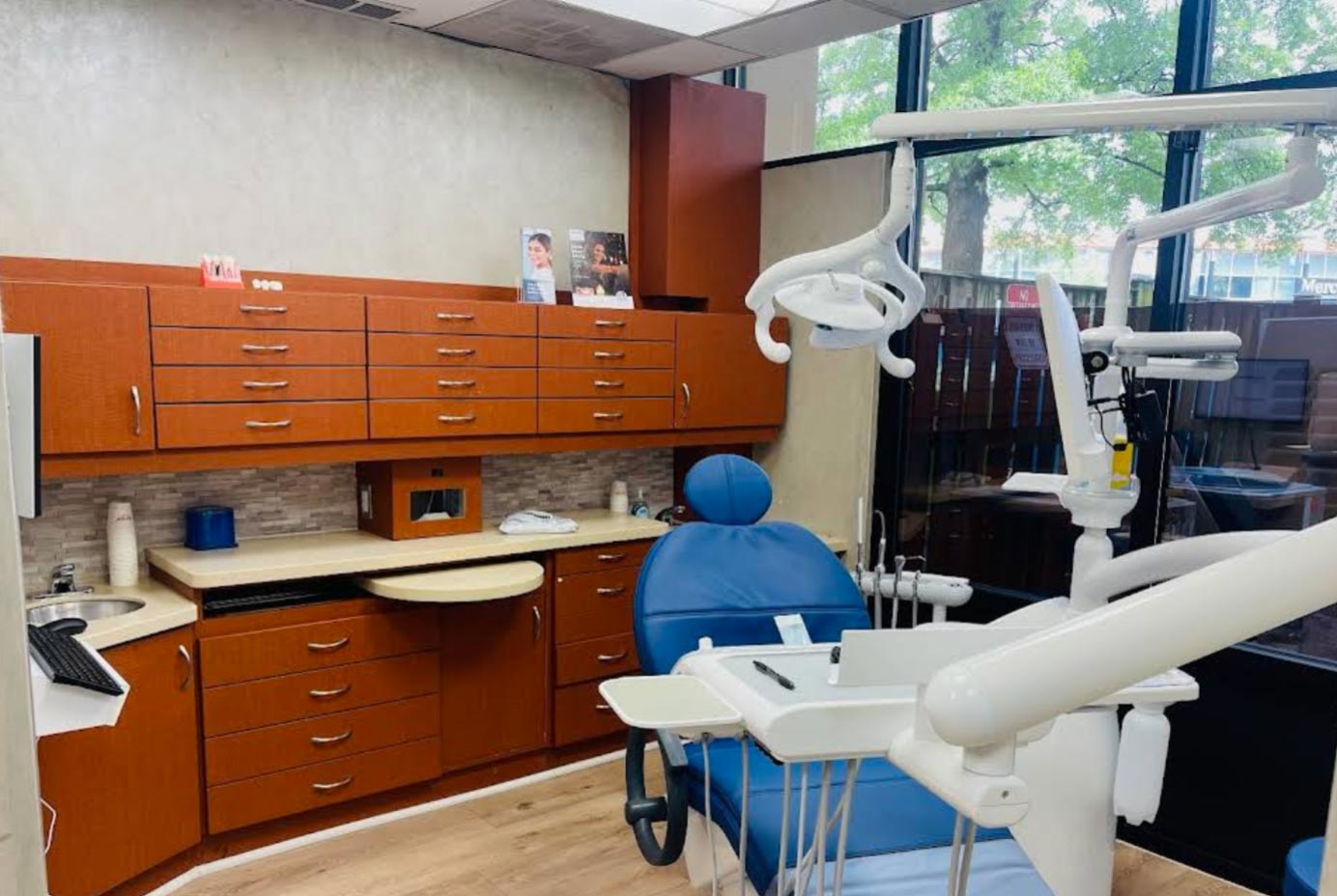
We are here to help you take the next step toward a healthier smile.
Whether you have questions about our services, insurance, or scheduling your first visit, our team is ready to assist you.
We welcome new and returning patients and are happy to help you find a time that fits your schedule. Reach out to our office today to schedule an appointment or learn more about how we can support your oral health. We look forward to welcoming you to our practice.