Oral cancer is a serious disease that can affect many sites in and around the mouth, and early detection is the single most important factor in improving patient outcomes. Although overall rates have shifted in recent decades, certain forms of oropharyngeal cancer linked to human papillomavirus (HPV) have risen, underscoring the need for routine checks. A screening is a quick, focused examination that looks for subtle changes before they become symptomatic or more advanced.
Patients often assume screenings are only necessary for those with obvious symptoms, but many lesions are painless in early stages and may go unnoticed without a trained professional’s inspection. A structured screening process helps identify areas of concern—such as persistent sores, red or white patches, or unexplained lumps—so they can be evaluated and managed promptly. In short, screening converts uncertainty into a manageable, evidence-informed plan.
At Ballston Dental Center, our approach to screening is practical and patient-centered: we integrate the check into routine dental exams so it becomes a standard part of preventive care rather than an occasional afterthought. This regular attention supports earlier intervention when needed and gives patients greater confidence in their oral health.
Oral cancer can develop on the tongue, the floor of the mouth, the inner cheeks, the gums, the lips, and the hard palate, and it may also affect the tonsils and oropharynx. Because these sites have different tissue types and exposures, symptoms can vary—from a small, persistent ulcer to patches of discoloration or a firm area that feels different from the surrounding tissue. Watching for persistence—changes that last more than two weeks—is a helpful rule of thumb.
Common warning signs include a sore that won’t heal, a growth or lump, persistent pain or numbness, difficulty chewing or swallowing, unexplained looseness of teeth, and chronic hoarseness or ear pain without an ear infection. Red or white patches (erythroplakia or leukoplakia) are not definitive for cancer but warrant close observation and further evaluation when they persist.
Because symptoms can overlap with benign conditions, a screening focuses on pattern recognition and context—asking about duration, associated symptoms, and risk factors helps the clinician decide whether monitoring, adjunctive testing, or referral for biopsy is the appropriate next step.
Several lifestyle and medical factors increase the probability of developing oral cancer. Tobacco use in any form and heavy alcohol consumption are two of the most strongly associated risks. Age and male sex also correlate with higher incidence, though younger patients can be affected—particularly when HPV is involved. Other contributors include significant sun exposure to the lips, prior radiation therapy to the head or neck, and prolonged acid reflux that exposes the throat or posterior mouth to gastric contents.
Importantly, vaccination and behavioral changes can reduce risk: HPV vaccination and smoking cessation are preventative measures that alter long-term risk profiles. During a screening visit, clinicians will review these risk factors and tailor vigilance accordingly—patients with multiple risk factors or concerning symptoms may be advised to have more frequent checks or additional diagnostic tests.
Risk assessment is not about causing alarm; it’s about creating an individualized plan for surveillance. Understanding each patient’s background allows the care team to prioritize follow-up, educate on early warning signs, and coordinate timely referrals when necessary.
A screening typically begins with a review of medical and dental history, including recent changes in general health, medication use, and lifestyle habits. The clinician will then conduct a systematic visual and tactile exam: inspecting the lips, oral mucosa, tongue (top, sides, and underside), floor of the mouth, gums, palate, and oropharynx, and palpating the neck to detect any enlarged or firm lymph nodes.
Exams are gentle and noninvasive. Clinicians look for asymmetry, persistent discolorations, ulcers, and textural changes, and they document any findings for comparison at subsequent visits. In some cases, adjunctive tools such as specialized lights or intraoral imaging may be used to highlight suspicious areas, but these tools complement—rather than replace—careful clinical evaluation.
If an area appears suspicious, the next steps may include a recommendation for closer monitoring, an in-office test, or referral to an oral surgeon or ENT specialist for biopsy. The goal is to move deliberately and efficiently from observation to diagnosis so patients receive clear guidance and timely care when necessary.
For most adults, an oral cancer screening is performed at routine dental visits—typically twice a year—so it becomes part of consistent preventive care. Patients with elevated risk factors or previous suspicious findings may need more frequent checks. If you notice any persistent oral changes between visits, it’s appropriate to contact your dental team to arrange an evaluation rather than waiting for your next scheduled appointment.
When screening uncovers something that requires further evaluation, the practice will outline the reasons, explain options clearly, and coordinate any necessary referrals. Early-stage findings are often managed more conservatively and with better prognoses than later-stage disease; timely follow-up improves clinical choices and outcomes.
Beyond clinical follow-up, prevention remains a critical piece: patients are encouraged to adopt protective behaviors—quit tobacco, limit heavy alcohol use, seek HPV vaccination if appropriate, wear lip protection from excessive UV exposure, and maintain good oral hygiene—to reduce both personal risk and anxiety about changes in oral health.
In summary, oral cancer screening is a brief but powerful tool in ongoing oral health care. Regular, well-documented screenings make it possible to detect concerning changes early, tailor monitoring to individual risk, and coordinate prompt evaluation when needed. If you’d like to learn more about how we screen for oral cancer or want to schedule a preventive visit, please contact us for more information.


Oral cancer can be life threatening when detected late, and early detection is the single most important factor in improving outcomes. Routine screening identifies subtle changes before they become symptomatic and allows clinicians to act sooner. Screening converts uncertainty into a clear, evidence-informed plan for monitoring or further evaluation.
Many early lesions are painless and easily missed without a trained professional’s inspection, so regular checks reduce the chance that a lesion will go unnoticed. A structured screening process documents findings over time, which improves the reliability of follow-up decisions. When concerns arise, early detection expands treatment options and typically leads to better prognoses.
A thorough screening inspects the lips, inner cheeks, gums, hard palate, tongue (top, sides, and underside), and the floor of the mouth. Examiners also assess the oropharynx and tonsillar regions when visible and palpate the neck for enlarged or firm lymph nodes. Because oral and oropharyngeal tissues differ, clinicians look for changes in color, texture, symmetry, and consistency across these sites.
Documentation of findings is important so clinicians can compare current observations with prior visits and recognize new or evolving changes. Areas that look abnormal are described precisely, photographed when appropriate, and scheduled for follow-up or adjunctive testing as needed. Persistence of a change for more than two weeks is a commonly used threshold to prompt further evaluation.
Warning signs that deserve prompt attention include a sore or ulcer that does not heal, a new lump or firm area, persistent red or white patches, and unexplained numbness or pain. Difficulty chewing or swallowing, loosening teeth without an obvious cause, chronic hoarseness, or ear pain without an ear infection also warrant evaluation. Because early lesions can be painless, any persistent or progressive change should not be ignored.
If you notice a suspicious area that lasts longer than two weeks or worsens over time, contact your dental team for an assessment rather than waiting for your next routine visit. The clinical context—such as recent trauma, dental appliances, or known infections—helps the clinician decide whether monitoring, in-office testing, or referral is the right next step. Timely evaluation reduces uncertainty and speeds appropriate care when necessary.
All adults benefit from regular oral cancer screenings as part of routine dental care, since many lesions are asymptomatic in early stages. Patients with higher-risk profiles—such as those who use tobacco, consume alcohol heavily, have prior head and neck radiation, or have significant sun exposure to the lips—typically need more vigilant surveillance. Age and male sex are associated with higher incidence, but younger patients can also be affected, particularly when HPV is involved.
Patients should discuss individual risk factors with their dental team so screening frequency can be personalized. People who notice new oral symptoms or who have persistent changes between visits should schedule an evaluation promptly. Screening is a preventive measure tailored to each patient’s history and exposures, not a one-size-fits-all test.
For most adults, oral cancer screening is performed at routine dental visits, which commonly occur every six months, making screening part of consistent preventive care. Patients with multiple risk factors or prior suspicious findings may be advised to have more frequent checks based on clinical judgment. The ideal interval depends on personal risk, prior findings, and any new or ongoing symptoms.
If you notice persistent changes between scheduled visits, contact your dental office for an earlier evaluation rather than waiting for your next routine appointment. Clinicians use that interim information to determine whether closer monitoring, adjunctive testing, or a referral is appropriate. A collaborative, risk-based approach helps ensure timely detection and follow-up.
The visit starts with a brief review of medical and dental history, recent health changes, and relevant lifestyle factors, followed by a systematic visual and tactile exam of the lips, oral mucosa, tongue, palate, floor of mouth, and neck. The clinician inspects for asymmetry, discoloration, ulcers, texture differences, and any masses, and palpates the neck to assess lymph nodes. Findings are recorded for comparison at future visits and discussed with the patient in plain language.
Adjunctive tools such as intraoral imaging or specialized lights may be used when helpful to highlight suspicious areas, but these tools supplement rather than replace careful clinical evaluation. When appropriate, the team will recommend monitoring, in-office testing, or referral for biopsy and will explain the reasoning and next steps clearly. Patients in our Arlington, Virginia office receive individualized guidance and coordinated follow-up when necessary.
Yes. Several adjunctive tools can assist clinicians in identifying areas that may warrant closer attention, including specialized light systems, vital staining, brush biopsy techniques, and enhanced intraoral imaging. These tools can improve visualization of abnormal tissue and help prioritize sites for biopsy, but none replace the clinician’s judgment or histologic confirmation. Each adjunctive method has strengths and limitations, so clinicians choose tests that best fit the clinical scenario.
When adjunctive testing suggests concern, the usual next steps include closer monitoring or referral to an oral surgeon or ENT specialist for biopsy and definitive diagnosis. Biopsy remains the gold standard for diagnosing malignancy, and adjunctive tools are used primarily to inform that decision. Your dental team can explain why a specific adjunctive test is recommended and how the results will influence management.
Tobacco use in any form and heavy alcohol consumption are among the strongest risk factors for oral cancer. Human papillomavirus (HPV), particularly HPV-16, has been linked to oropharyngeal cancers and has contributed to rising incidence in some populations, including younger adults. Additional contributors include prolonged sun exposure to the lips, prior radiation to the head or neck, chronic gastroesophageal reflux, and a history of premalignant oral lesions.
Risk reduction strategies include smoking cessation, limiting alcohol intake, sun protection for the lips, and HPV vaccination when appropriate. During screenings, clinicians review these risk factors to tailor surveillance and preventive counseling. Understanding and modifying risk factors is an important complement to regular clinical screening.
Management begins with careful documentation and may proceed through short-term monitoring, adjunctive testing, or referral for biopsy depending on the lesion’s appearance, duration, and associated risk factors. Persistent lesions that are enlarging, indurated, ulcerated, or accompanied by suspicious lymphadenopathy are more likely to be recommended for biopsy. The decision balances clinical features, patient history, and the goal of obtaining a definitive diagnosis as efficiently as possible.
When a biopsy is indicated, the practice will explain the rationale, describe the procedure, and coordinate referral to an appropriate specialist if needed. Ballston Dental Center emphasizes clear communication and prompt coordination so patients understand options and next steps. Early and organized follow-up helps ensure timely diagnosis and appropriate care when a lesion proves to be malignant.
Patients can lower their risk through behavioral measures such as quitting all forms of tobacco, limiting heavy alcohol use, protecting the lips from excessive sun exposure, and maintaining good oral hygiene. HPV vaccination for eligible individuals reduces the risk of HPV-related oropharyngeal cancers and is a recommended preventive measure in appropriate age groups. Regular dental visits for professional screenings provide opportunities for early detection and personalized risk counseling.
Open communication with your dental team about personal risk factors, symptoms, and health history supports more effective surveillance and prevention. Clinicians can also provide resources for tobacco cessation and coordinate referrals for medical evaluation or vaccination when indicated. Combining risk reduction with routine screening offers the best protection through prevention and early detection.
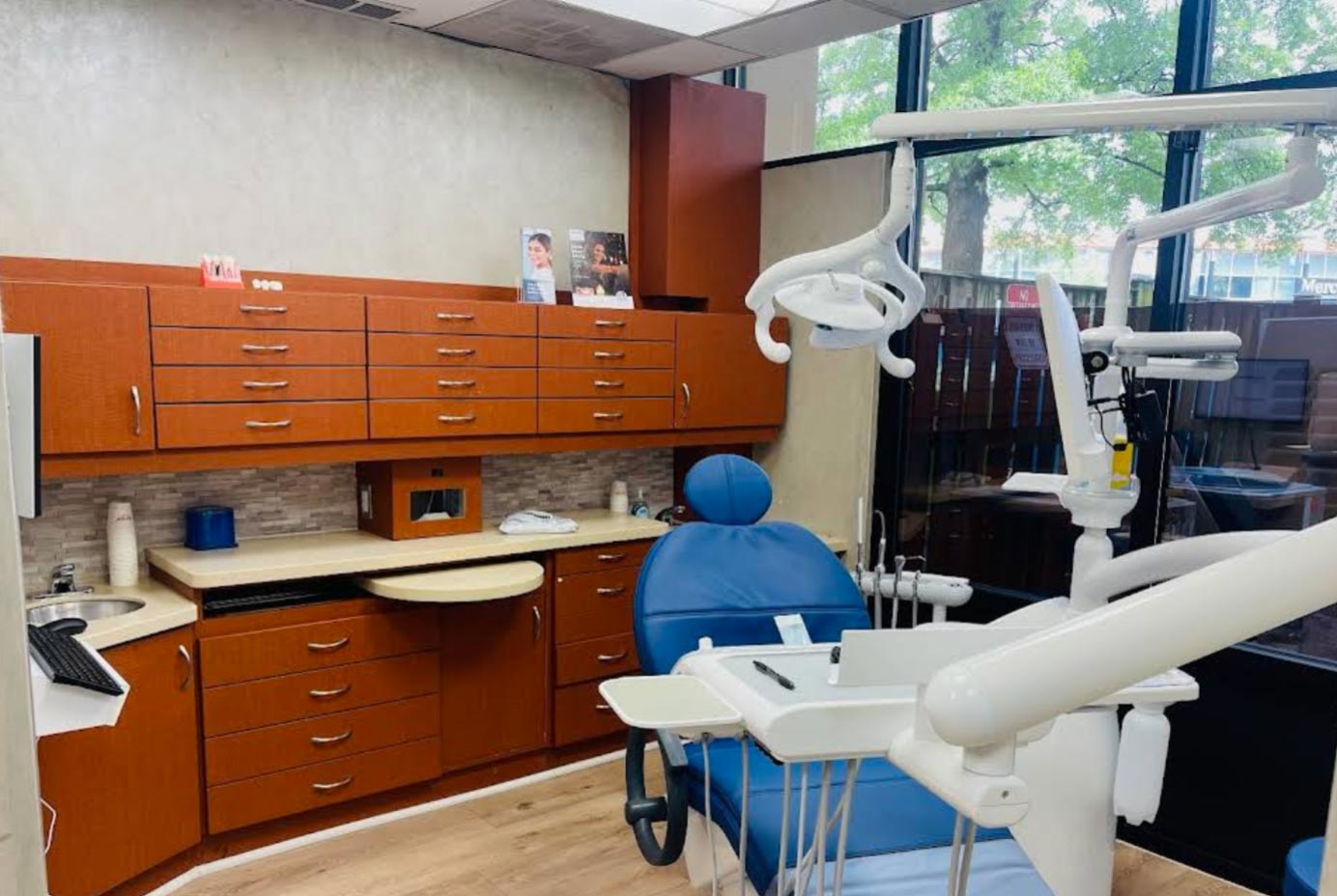
We are here to help you take the next step toward a healthier smile.
Whether you have questions about our services, insurance, or scheduling your first visit, our team is ready to assist you.
We welcome new and returning patients and are happy to help you find a time that fits your schedule. Reach out to our office today to schedule an appointment or learn more about how we can support your oral health. We look forward to welcoming you to our practice.