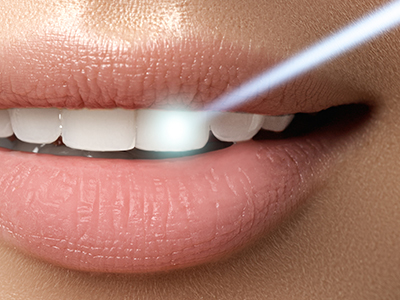
Laser dentistry uses focused light energy to treat both soft and hard tissues in the mouth. Unlike drills or scalpels, dental lasers deliver concentrated photons that interact with water and tissue molecules, allowing clinicians to cut, vaporize, or coagulate targeted areas with a high degree of control. There are different types of dental lasers—each tuned to specific wavelengths—and the choice depends on whether the goal is to treat gum tissue, remove decay, or activate restorative materials.
In practice, laser devices are adjusted to match the clinical need: some settings vaporize diseased tissue, while others gently remove bacteria or stimulate healing. This selective interaction helps preserve healthy tooth structure and surrounding tissue because the laser acts only where it is directed. For patients, the result is often a cleaner margin around restorations and reduced trauma compared with some conventional techniques.
While the underlying physics can be complex, the patient-facing benefits are straightforward. Laser treatments can reduce the need for physical contact with the tooth or gums, minimize vibration and noise, and in many cases produce less postoperative discomfort. These practical advantages explain why lasers have become a valuable tool in modern dental care.
Dental lasers serve a range of clinical tasks. For soft-tissue care, they are commonly used in periodontal therapy to remove diseased gum tissue, recontour the gingiva, and reduce bacterial loads in a pocket. Lasers also enable minimally invasive biopsies and the removal of small oral lesions with controlled precision, which can reduce bleeding and the need for sutures.
On the hard-tissue side, certain lasers can remove decay and prepare small cavities for fillings while preserving more of the healthy tooth. They are also used to cure or activate in-office whitening systems and to harden restorative materials, providing a more efficient workflow for procedures such as composite fillings. In addition, lasers can be helpful in treating dentin hypersensitivity by sealing exposed tubules.
Because of this versatility, lasers are incorporated into preventive, restorative, and cosmetic workflows. That said, not every procedure is suitable for laser use; the appropriateness depends on the clinical diagnosis, the specific laser type, and the goal of the treatment.
One of the most noticeable advantages patients report is increased comfort during and after treatment. Many laser procedures reduce the need for local anesthetic because lasers can work without heavy contact or pressure. For anxious patients, the absence of high-speed drilling and the quieter operation of many lasers can reduce stress levels associated with dental visits.
Postoperative healing is often faster with laser-assisted procedures. Because lasers cauterize as they cut, they can minimize bleeding and swelling, which translates to reduced soreness and a smoother recovery period. Wounds created with lasers are frequently smaller and more precise, which can also lower the likelihood of infection and scarring in soft-tissue cases.
It’s important to set realistic expectations: while many patients enjoy a gentler recovery, individual outcomes vary based on the complexity of the procedure, overall health, and adherence to postoperative instructions. Your clinician will outline what to expect and how to care for the treated area after the appointment.
Laser dentistry is governed by safety protocols that protect both patients and clinical staff. Proper shielding, eyewear, and equipment calibration are essential, and practitioners must select the correct wavelength and power settings for each indication. When used correctly, lasers provide a safe and controlled method for tissue management.
Operator training is a critical factor in outcomes. Because different lasers interact with tissues in different ways, the clinician’s familiarity with the device and its clinical applications determines how effectively it is used. Ongoing education, hands-on training, and adherence to manufacturer guidelines help ensure treatments are both effective and safe.
Another consideration is integration with traditional techniques. Lasers often complement rather than replace conventional tools; for example, a laser may be used for soft-tissue management while standard instruments handle other aspects of a surgical or restorative case. This hybrid approach allows clinicians to choose the best tool for each part of a treatment plan.
Not every patient or procedure is a candidate for laser treatment, and candidacy depends on the clinical objective, tissue type, and overall oral health. During an evaluation, your dental provider will review the condition of the teeth and gums, discuss treatment goals, and recommend whether laser therapy is an appropriate option. Where lasers offer clear advantages—such as reduced bleeding, greater preservation of healthy tissue, or improved healing—they may become part of a personalized treatment plan.
Patients with specific medical conditions, extensive restorations, or complex surgical needs may require alternative or adjunctive treatments; the care team will explain these nuances and recommend the safest, most effective path forward. Open communication about expectations, comfort levels, and desired outcomes helps ensure the chosen approach aligns with each patient’s priorities.
The office of Ballston Dental Center combines modern laser technology with evidence-based clinical judgment to determine when lasers will provide meaningful benefit. If you are curious about how laser dentistry might apply to your oral health needs, an evaluation can clarify options and next steps.
In summary, laser dentistry offers targeted, often less invasive ways to treat both soft and hard tissues, with benefits that can include improved precision, reduced discomfort, and faster recovery. While lasers are a powerful tool, they are most effective when chosen and applied thoughtfully by a trained clinician. If you’d like to learn more about laser treatment options and whether they may suit your needs, please contact us for more information.


Laser dentistry uses focused light energy to treat both soft and hard tissues in the mouth by delivering concentrated photons that interact with water and tissue molecules. Different lasers operate at specific wavelengths and are selected based on the clinical objective, such as cutting, vaporizing, coagulating, disinfecting, or activating restorative materials. Clinicians adjust power and pulse settings to target only diseased or unwanted tissue, which helps preserve healthy structure. The selective interaction and precision explain why lasers are a valuable adjunct to modern dental care.
In many applications the laser reduces the need for physical contact, vibration, or high-speed rotation, which can decrease patient discomfort and procedural noise. Some laser types also have bactericidal properties that help lower microbial load in periodontal pockets and surgical sites. Lasers can create cleaner margins around restorations and improve adhesion in certain workflows when used appropriately. Overall, their effectiveness depends on matching the device and settings to the tissue and treatment goals.
Dental lasers are used for a wide range of soft-tissue and selected hard-tissue procedures, including periodontal therapy to remove diseased gum tissue, gingival recontouring, frenectomies, small lesion removal, and minimally invasive biopsies. Certain lasers can treat dentin hypersensitivity by sealing exposed tubules, and other laser systems are capable of removing limited decay or preparing small cavities for restorations. Lasers are also used to activate whitening agents and to cure or harden some restorative materials in the operatory. Because of this versatility, lasers appear in preventive, restorative, cosmetic, and periodontal workflows.
Not every laser performs every task, so the appliance type and wavelength determine which procedures are appropriate. Soft-tissue lasers excel at cutting and coagulating gingiva, while some hard-tissue lasers are designed to interact with enamel and dentin. Clinicians often combine lasers with conventional instruments to get the best clinical result. The decision to use a laser is based on diagnosis, device capability, and the intended outcome.
Many patients report less discomfort with laser-assisted procedures because lasers can reduce the need for heavy local anesthetic and avoid the vibration and high-speed noise associated with drills. Lasers often cauterize as they cut, which minimizes bleeding and decreases postoperative swelling and soreness. This can translate into a gentler recovery for soft-tissue treatments and some restorative tasks. The quieter, less invasive nature of laser work also helps reduce anxiety for some patients.
Individual pain experiences vary according to the complexity of the procedure, the patient’s overall health, and pain tolerance. For more extensive surgeries or deep decay removal, traditional anesthesia and instruments may still be required to ensure comfort and complete treatment. Your clinician will explain anesthesia options and what to expect for pain control during the consultation. Following postoperative instructions closely will help minimize discomfort after any procedure.
When used properly by trained clinicians, laser dentistry is safe and effective. Safety protocols include appropriate eyewear for patients and staff, correct device calibration, selection of the right wavelength and power settings for the tissue involved, and strict adherence to manufacturer guidelines. Proper clinical technique prevents inadvertent thermal damage to surrounding tissues and ensures predictable results. Equipment maintenance and routine checks further support safe operation.
Operator training is a key factor in safety and outcomes because different lasers interact differently with tissues. Ongoing education, hands-on training, and case-based learning help clinicians apply lasers appropriately across indications. Many practices integrate lasers into hybrid workflows, using them where they add benefit while relying on conventional tools when they are better suited to the task. Patients should feel empowered to ask their clinician about training and safety practices prior to treatment.
Candidacy for laser dentistry depends on the clinical objective, the tissue type involved, and the patient’s overall oral and medical health. Patients with periodontal pockets, soft-tissue lesions, frenal attachments that restrict function, dentin hypersensitivity, or small localized decay may be good candidates. Medical considerations such as certain photosensitive conditions or medications should be disclosed to the dentist because they can influence the appropriateness of laser therapy. A thorough clinical exam and discussion of goals determine whether a laser is the best option.
Complex surgical cases, large restorations, or extensive bone work may require traditional surgical techniques or a combination approach rather than laser alone. The treating clinician will weigh the benefits and limitations of laser use and recommend the safest, most effective plan. The office of Ballston Dental Center combines modern laser technology with evidence-based judgment to determine when lasers provide meaningful clinical advantage.
Preparation for a laser dental procedure typically involves the same basic steps as other dental treatments: maintain good oral hygiene in the days leading up to the appointment and provide your dentist with a complete medical history and list of medications. In most cases fasting is not required, and routine medications can be continued unless the clinician advises otherwise. If you have specific concerns about anxiety or pain control, discuss sedation options with the team so they can plan appropriately.
Your clinician may request recent X-rays or intraoral images to guide treatment planning, and they will review expected outcomes and aftercare during the preoperative discussion. If topical or local anesthesia is indicated, the office will explain what to expect and any restrictions afterward. On the day of treatment, arrive with any required forms completed and follow any special instructions the staff provides.
Recovery after laser treatment is often faster and more comfortable than after comparable procedures performed with conventional instruments because lasers typically cauterize tissue as they work. Patients commonly experience less bleeding, reduced swelling, and milder soreness, which can shorten the overall healing timeline. Wounds created by lasers tend to be more precise, which helps lower the risk of infection and scarring in many soft-tissue cases. Your clinician will provide specific aftercare directions tailored to the treated area.
Temporary sensitivity, minor discomfort, or transient changes in sensation can occur and usually resolve as tissues heal. It is important to follow instructions about oral hygiene, diet restrictions, and use of any prescribed mouth rinses or topical agents to support recovery. Contact the dental office if you notice increasing pain, persistent bleeding, or signs of infection, so the team can evaluate and advise next steps. Most postoperative concerns are minor and manageable with prompt communication.
Certain lasers are capable of removing decay in small cavities and can prepare a tooth for a filling while preserving more healthy tooth structure than some traditional rotary instruments. However, not all lasers interact effectively with enamel or dentin, and some systems are limited in depth or access, making them unsuitable for larger or more complex restorations. For many restorative procedures, lasers complement but do not fully replace conventional handpieces and burs. The choice between laser and drill depends on the size, location, and extent of decay.
Large restorations, crown preparations, and multi-surface decay frequently require traditional instruments to achieve the necessary shape and retention for durable restorations. Dentists will select the most appropriate combination of tools to balance conservation of tooth structure with long-term strength and function. A careful examination allows the clinician to recommend the best technique for each tooth and situation.
While laser dentistry offers many advantages, it has limitations related to device type, wavelength, and clinical indication. Not every laser is suitable for every procedure, and the area of access or the composition of existing restorations can restrict its use. Improper technique or incorrect settings can increase the risk of thermal injury or inadequate tissue removal, so operator skill is essential. Protective measures such as eyewear and adherence to safety protocols are mandatory to prevent accidental exposure.
Common, generally minor side effects include temporary sensitivity, mild swelling, or transient tissue pigmentation changes, which usually resolve with conservative care. Serious complications are uncommon when lasers are used by trained professionals who follow best practices and manufacturer instructions. Discussing potential benefits and risks with your dentist will help set realistic expectations and guide the choice of treatment.
The best way to determine whether laser dentistry is appropriate is to schedule a consultation and diagnostic exam with your dental provider. During the visit the clinician will assess the condition of your teeth and gums, review your medical history, discuss your goals and concerns, and explain available treatment options including when lasers may add value. Imaging and intraoral evaluation help clarify whether a laser can accomplish the intended clinical outcomes safely and effectively. Clear communication about expectations helps the team tailor a personalized plan.
Ask the dentist about the specific type of laser they use, their training and experience with that device, and what to expect before, during, and after treatment. In many practices the team will describe how laser therapy integrates with conventional techniques and why one approach may be recommended over another. Ballston Dental Center’s clinicians can walk you through these considerations so you have confidence in the recommended pathway for your oral health.
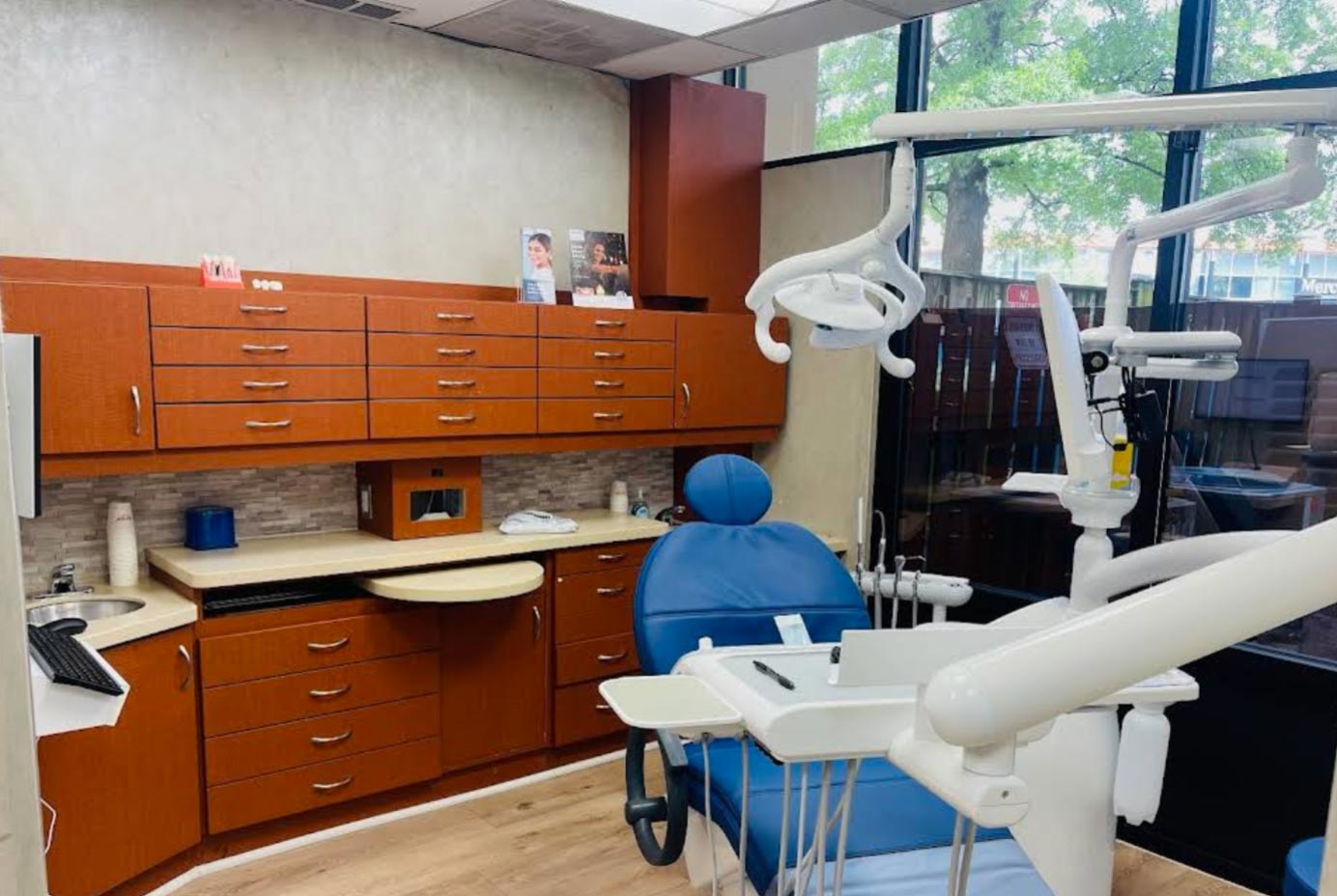
We are here to help you take the next step toward a healthier smile.
Whether you have questions about our services, insurance, or scheduling your first visit, our team is ready to assist you.
We welcome new and returning patients and are happy to help you find a time that fits your schedule. Reach out to our office today to schedule an appointment or learn more about how we can support your oral health. We look forward to welcoming you to our practice.