Inlays and onlays are restorative options designed to repair teeth that have been damaged by decay or trauma while preserving as much natural tooth structure as possible. Unlike a traditional filling, which is placed directly into a prepared cavity, inlays and onlays are fabricated outside the mouth and then bonded into place. This indirect approach allows for a precise fit, predictable contours, and materials chosen specifically for strength and appearance.
In clinical terms, an inlay occupies the area between the cusps of a posterior tooth, repairing the central chewing surface. An onlay is larger and extends over one or more cusps, providing additional coverage and support when the damage is more extensive but a full crown is not yet necessary. Both restorations are best described as a middle ground: more substantial than a filling, but more conservative than a crown.
Because they are custom-made, inlays and onlays offer an opportunity to restore teeth with attention to function and esthetics. The fit and finish achievable with laboratory fabrication often results in smoother margins, better contact points with adjacent teeth, and a closer match to the tooth’s natural anatomy. For patients who want durable repairs that also look natural, these restorations are a strong option.
Choosing between a filling, an inlay or onlay, and a crown depends on how much healthy tooth structure remains and where the damage is located. Dentists commonly recommend inlays and onlays when a tooth has moderate decay, a cracked cusp, or a large old filling that needs replacement, and there is enough remaining structure to avoid a crown. The goal is to remove the compromised material, preserve what’s healthy, and restore chewing function.
Another reason for selection is long-term predictability. In situations where a direct filling would be prone to failure because of large cavity dimensions or significant occlusal forces, an indirect restoration like an inlay or onlay can distribute stress more evenly across the tooth. This helps protect the remaining enamel and dentin from further fracture and reduces the likelihood of future repairs.
Patient-specific factors also play a role. Bite patterns, bruxism (tooth grinding), the location of the tooth in the mouth, and cosmetic concerns can all influence whether an inlay or onlay is the recommended path. During an evaluation, your dentist will weigh these elements and explain why a conservative, lab-crafted restoration may be the best choice for preserving your long-term oral health.
Modern inlays and onlays are available in several materials, each with distinct advantages. Tooth-colored ceramics and high-strength porcelains are favored for their natural translucency and stain resistance, making them especially suitable for visible posterior teeth. Resin-based ceramics or composite onlays can provide a more conservative preparation in certain cases and offer good aesthetics and repairability.
Metal alloys, including gold, remain an option in specific scenarios because of their durability and wear compatibility with opposing teeth. While metals don’t mimic natural tooth color, they can be the right choice for posterior teeth where strength and longevity are the primary concerns. Your dentist will discuss material options based on functional needs and esthetic goals.
Beyond looks, these materials contribute to clinical performance. Because inlays and onlays are fabricated to exacting standards, they often create a tight marginal seal that helps reduce recurrent decay. The result is a restoration that not only restores form and function but does so in a way that blends with surrounding teeth and resists staining over time.
Treatment typically begins with a thorough exam and diagnostic imaging to determine the extent of damage. When an inlay or onlay is appropriate, the tooth is prepared by removing decay and shaping the cavity to receive the custom piece. This preparation is designed to preserve as much healthy tooth as possible while ensuring the restoration will seat precisely.
After preparation, impressions or digital scans are taken to capture the exact geometry of the tooth and bite relationship. These records are sent to a dental laboratory, where a skilled technician fabricates the restoration to match your tooth’s contours and shade. Many practices now use CAD/CAM technology to streamline this step, offering excellent fit and shorter turnaround when applicable.
At the final appointment, the dentist will verify the fit, make any fine adjustments to contacts and occlusion, and bond the restoration using modern adhesive systems. Proper bonding not only secures the restoration but also helps reinforce the remaining tooth structure. After final polishing, most patients notice an immediate improvement in comfort, chewing efficiency, and appearance.
With sensible oral hygiene and routine dental visits, inlays and onlays are designed to last for many years. Brushing twice daily, flossing, and visiting the dentist for professional cleanings and exams help protect the margins and maintain the health of the supporting tooth and surrounding tissues. Your dentist will recommend an appropriate recall schedule based on your individual risk for decay and periodontal disease.
Patients who grind their teeth or participate in contact sports should discuss protective measures, such as night guards or mouthguards, to reduce excessive forces on these restorations. Similarly, habits like chewing on hard objects can increase wear and the risk of fracture, so it’s helpful to be mindful of behaviors that place unnecessary stress on restored teeth.
If you notice sensitivity that persists after placement, a change in how your bite feels, or visible wear or discoloration around a restoration, schedule an evaluation. Early assessment allows the dentist to address small issues before they become larger problems, and routine monitoring ensures the restoration continues to perform as intended.
At Ballston Dental Center, our team emphasizes conservative care and clear communication so patients understand why a particular restoration is recommended and what to expect during and after treatment. If you’re considering an inlay or onlay or want to know whether this option fits your dental needs, please contact us for more information and to schedule an evaluation.


Inlays and onlays are indirect restorations made outside the mouth to repair teeth damaged by decay or fracture while preserving healthy tooth structure. They are bonded into a prepared cavity and shaped to restore function and anatomy with greater precision than a direct filling. Because they are laboratory- or CAD/CAM-fabricated, these restorations can provide smoother margins and more predictable contacts with adjacent teeth.
An inlay fits within the cusps of a posterior tooth and restores the central chewing surface, while an onlay extends over one or more cusps to provide extra support. Both options represent a conservative alternative between a filling and a full crown when enough natural tooth remains. The choice depends on the extent and location of damage as well as functional needs.
Dentists recommend inlays or onlays when a tooth has moderate decay, a cracked cusp, or a large failing restoration but still retains sufficient healthy structure to avoid a crown. These indirect restorations are chosen when a direct filling would be at high risk of failure due to large cavity size or heavy biting forces. They help distribute stress more evenly across the tooth and reduce the likelihood of future fractures.
Patient-specific factors such as bite pattern, bruxism, the tooth's position in the mouth, and cosmetic concerns also influence the recommendation. A dentist will evaluate these elements during a clinical exam and explain why a conservative, lab-crafted restoration may be the best option. The goal is always to preserve tooth structure while restoring reliable function and appearance.
Contemporary inlays and onlays are made from tooth-colored ceramics, high-strength porcelain, resin-based ceramics, or composite materials that offer good esthetics and stain resistance. These materials mimic natural tooth translucency and are commonly selected for visible posterior teeth where appearance matters. Resin-based options can be more repairable, while advanced ceramics provide superior wear resistance and longevity in many cases.
Metal alloys, including gold, remain a durable option for posterior teeth where strength and long-term wear compatibility are priorities. Metals are highly resistant to fracture and wear but do not match natural tooth color, so they are less frequently chosen when appearance is a concern. Material selection balances esthetic goals, functional demands, and the planned occlusal scheme for each patient.
Treatment begins with a thorough examination and diagnostic imaging to assess the extent of damage and confirm that an inlay or onlay is appropriate. The tooth is prepared by removing compromised tissue and shaping the cavity to accept the restoration while preserving as much healthy structure as possible. Digital scans or physical impressions capture the tooth geometry and bite relationship for laboratory fabrication or chairside CAD/CAM production.
If a lab fabricates the restoration, a temporary may be placed while the permanent piece is created to match contours and shade. At the final appointment, the dentist checks fit, refines contacts and occlusion, and bonds the restoration using modern adhesive techniques to reinforce the remaining tooth. Final polishing ensures smooth margins and immediate improvement in comfort and chewing efficiency.
When placed and cared for properly, inlays and onlays can last many years, often a decade or longer depending on material and oral conditions. Longevity is influenced by factors such as the quality of the bond, the material selected, the size of the restoration, and the patient's bite forces. Regular dental exams and good oral hygiene are essential to monitor margins and detect early signs of wear or recurrent decay.
Habits like bruxism, chewing hard objects, or poor oral hygiene increase the risk of fracture or marginal breakdown and may shorten service life. Protective measures such as night guards for grinders and prompt attention to any sensitivity or changes in the restoration help preserve function. Periodic professional maintenance ensures the restoration and the supporting tooth remain healthy over time.
Mild sensitivity after placement is common and usually temporary as the tooth adapts and bonding chemistry settles; it typically resolves within days to a few weeks. Dentists check occlusion carefully at the appointment and make fine adjustments to ensure the restoration does not interfere with your bite. Properly adjusted inlays and onlays should feel natural and restore efficient chewing without persistent discomfort.
If sensitivity persists, if your bite feels high, or if you notice unusual wear, return to the dentist so the restoration and occlusion can be reviewed. In some cases, additional adjustment or desensitizing measures are advised to improve comfort. Ongoing communication with your dental team helps identify and correct concerns early.
Repairability depends on the material and the extent of damage. Resin-based and composite onlays may be repairable in the mouth with direct bonding techniques for minor chips or wear, while ceramic or porcelain restorations with significant fractures typically require replacement to restore structural integrity and fit.
When a restoration shows wear, marginal staining, or a crack, an early evaluation lets the dentist determine whether a repair or replacement is recommended. Timely intervention can protect the underlying tooth and reduce the scope of treatment needed later, so patients should schedule an examination when they notice changes.
Precision begins with accurate impressions or digital scans that capture the tooth and bite relationship in detail. Many clinicians use CAD/CAM imaging and high-quality laboratory technicians to fabricate restorations that match anatomy, contacts, and shade, resulting in seamless integration with neighboring teeth.
At insertion, the dentist verifies fit, refines occlusion, and employs adhesive bonding techniques that create a tight marginal seal. Polishing and final adjustments further enhance esthetics and comfort, helping the restoration blend with natural tooth structure and resist staining over time.
Bruxism places increased forces on restorations and natural teeth, so material choice and protective planning are important for grinders. In some cases, gold or high-strength ceramic onlays coupled with a night guard can provide a durable solution, but the overall treatment plan must account for the intensity and pattern of grinding.
Managing bruxism often involves a combination of restorative choices, occlusal adjustment, and protective appliances to reduce the risk of fracture. Your dentist will evaluate wear patterns and recommend strategies such as a custom night guard to protect the restoration and preserve surrounding tooth structure.
A candidacy evaluation includes a clinical exam, bite assessment, and diagnostic imaging to determine how much healthy tooth structure remains and whether an indirect restoration is the best option. Dr. Aniqa Zaheer or another clinician will review your oral health goals, discuss material options, and explain why a conservative inlay or onlay may be preferable to a filling or crown in your situation.
At Ballston Dental Center in Arlington, VA, the team emphasizes clear communication and conservative care so you understand each step of treatment and what to expect during and after placement. If an inlay or onlay is appropriate, your dentist will outline the treatment process, timeline, and recommended follow-up to help ensure predictable, long-lasting results.
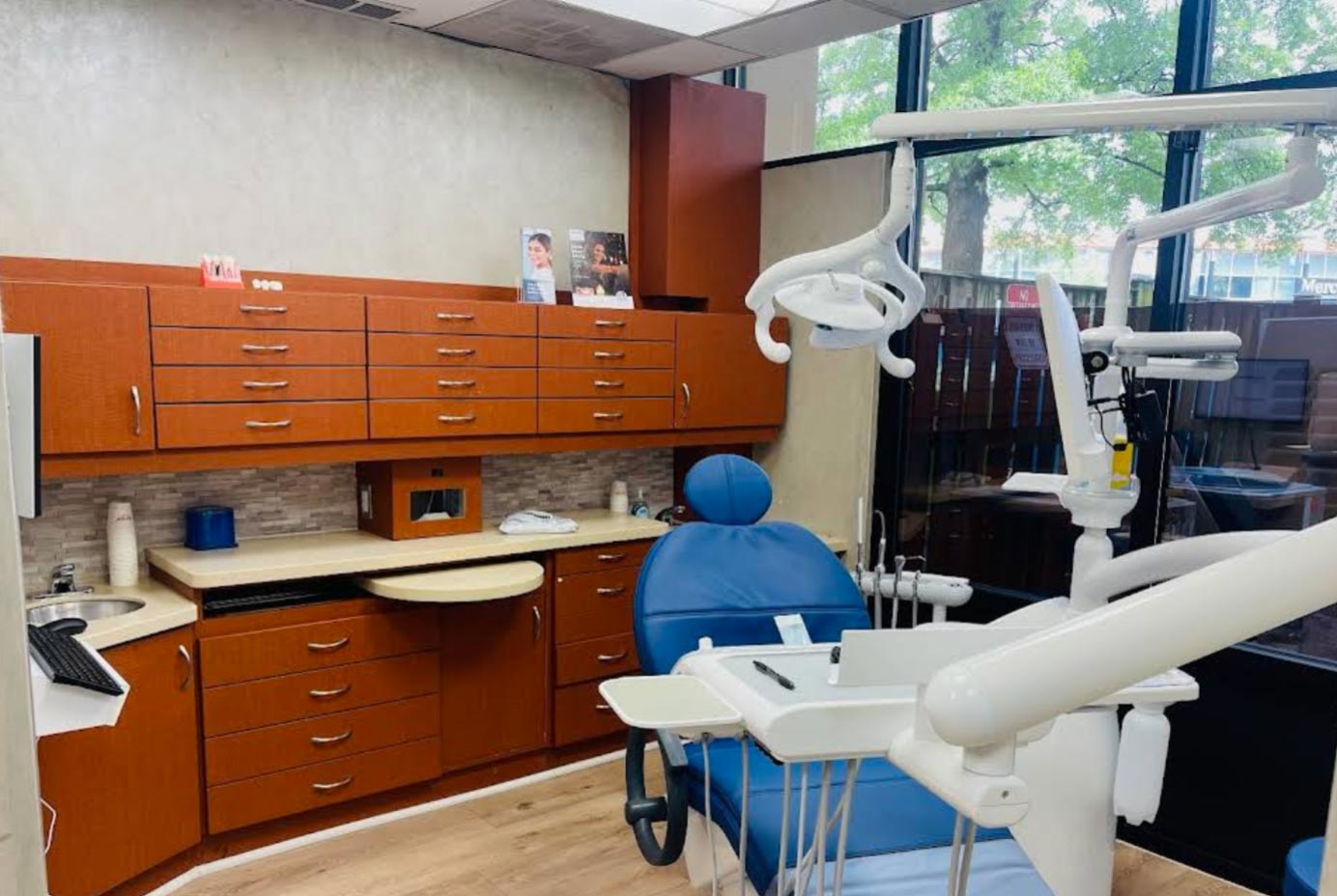
We are here to help you take the next step toward a healthier smile.
Whether you have questions about our services, insurance, or scheduling your first visit, our team is ready to assist you.
We welcome new and returning patients and are happy to help you find a time that fits your schedule. Reach out to our office today to schedule an appointment or learn more about how we can support your oral health. We look forward to welcoming you to our practice.