If the condition of your teeth and bite feels like a puzzle with several missing pieces, a coordinated reconstruction can bring balance, function, and confidence back to your smile. Full mouth reconstruction is not a single procedure but a carefully sequenced plan that addresses multiple dental problems at once — from severely worn teeth and widespread decay to missing teeth and chronic jaw pain. At Ballston Dental Center, our approach focuses on clear diagnosis, staged treatment, and long-term stability so you regain both comfort and a natural-looking smile.
A full mouth reconstruction begins with a detailed assessment to map every concern affecting your oral health. This includes visual exams, digital X-rays, and, when needed, advanced imaging to evaluate tooth structure, bone health, and joint relationships. Gathering this information lets the dental team identify the root causes of problems — not just the visible symptoms — which is essential for a durable outcome.
From there, the dentist creates a coordinated plan that sequences restorative, periodontal, surgical, and sometimes orthodontic steps. Prioritizing tissues that must be stabilized first — for example, treating gum disease or extracting non-restorable teeth — sets the foundation for restorative work like crowns, bridges, or implants. Treating the mouth in logical phases improves healing, reduces surprises, and often shortens the overall timeline compared with ad hoc repairs.
Modern diagnostics and digital planning tools also make it possible to preview outcomes and test bite relationships before final restorations are placed. When patients understand the reasoning behind each stage and see how components fit together, they can make informed decisions and feel more comfortable about the path forward.
Full mouth reconstruction is appropriate for people whose oral health issues affect both function and appearance across many teeth, not just a single problem area. Candidates include those with extensive tooth loss, severe wear from bruxism (grinding), advanced decay, dental trauma, or complex bite problems that contribute to pain and chewing difficulty. It’s also an option for individuals whose previous dental work has failed or who have congenital conditions affecting multiple teeth.
Because the treatment is comprehensive, the decision to proceed is driven by a combination of clinical findings and personal goals. Some patients seek reconstruction to restore basic chewing ability, while others place a similar priority on achieving facial symmetry and a natural aesthetic. During the initial consultation, your clinician will review medical history, oral habits, and expectations to determine whether a full-mouth approach is the most appropriate solution.
Not every patient needs every procedure listed in a reconstruction plan. The team tailors care to the individual: for some, the plan focuses on rebuilding posterior support so front teeth can be restored properly; for others, stabilizing the gums and bone may be the priority. This individualized approach helps ensure predictable results that meet each person’s functional needs and cosmetic goals.
Full mouth reconstruction combines restorative dentistry and cosmetic techniques to rebuild a healthy, functional bite and an attractive smile. Common restorative elements include crowns and bridges to repair or replace damaged teeth, root canal therapy when infection is present, and implant-supported restorations when natural teeth are missing. These treatments restore structure and function so you can eat, speak, and maintain proper jaw alignment.
At the same time, cosmetic considerations guide shape, size, and color choices so results look natural and harmonize with the face. Veneers and ceramic crowns can refine appearance where needed, while careful occlusal adjustments and orthodontic interventions can align teeth for better function and long-term wear patterns. Periodontal therapy often accompanies these steps to make sure gums are healthy and able to support lab-fabricated restorations.
When implants are part of the plan, collaboration between restorative dentists and surgical specialists ensures precise placement and predictable integration with the jawbone. Temporary restorations allow patients to test the bite and aesthetics during healing phases before final crowns or bridges are delivered, which helps fine-tune the final result and reduce the need for later adjustments.
Every reconstruction is unique, but most follow a similar sequence beginning with consultation and diagnostics, followed by stabilization, restorative work, and final refinement. Initial visits focus on establishing priorities: eliminating active infection, treating gum disease, and removing hopeless teeth when necessary. These steps create a healthy environment for restorative procedures to succeed.
Once the mouth is stable, the restorative phase proceeds with preparations for crowns, implant placement or bridgework, and any necessary bite corrections. Many patients receive provisional restorations so they can evaluate function and comfort while the mouth adapts. These temporary phases are important for assessing speech, chewing, and the visual balance of the smile before final materials are placed.
Follow-up care during and after treatment involves monitoring healing, adjusting occlusion if wear patterns develop, and ensuring any prosthetic components fit comfortably. Because reconstruction can involve multiple providers, clear communication and careful case management are essential to keep timelines on track and avoid redundant work.
The longevity of a full mouth reconstruction depends heavily on ongoing maintenance. Daily home care — thorough brushing, flossing, and attention to diet — forms the first line of defense. Regular professional cleanings and examinations let the dental team catch early signs of wear, gum problems, or restoration issues before they become more complex.
Patients with a history of bruxism may be fitted with a custom nightguard to protect restorations from excessive forces, and specific oral hygiene protocols may be recommended for implant maintenance. Periodic imaging and bite evaluations help detect changes in jaw function that could affect the reconstructed smile, and minor adjustments are a normal part of long-term upkeep.
With consistent care and timely interventions, reconstructed smiles can remain healthy and attractive for many years. The goal is not only to restore teeth but to create a sustainable, comfortable bite that supports overall oral health as life circumstances change.
In summary, full mouth reconstruction is a personalized, multi-disciplinary process designed to restore function, health, and aesthetics when multiple dental issues are present. If you’re considering this type of comprehensive care, please contact us to discuss your situation and learn more about how a tailored plan can meet your needs.


Full mouth reconstruction is a coordinated, multi-phase dental treatment designed to restore the health, function and appearance of most or all of the teeth. It is not a single procedure but a personalized plan that may combine restorative, surgical, periodontal and cosmetic techniques to address widespread decay, severe wear, missing teeth or bite problems. The goal is to re-establish a comfortable, stable bite and a natural-looking smile that supports long-term oral health.
At Ballston Dental Center, we emphasize clear diagnosis, careful sequencing and conservative treatment choices so each phase builds toward a predictable outcome. Patients often move through stabilization, provisional restorations and final prosthetics while clinicians monitor healing and function. This staged approach helps reduce complications and lets patients participate in decisions about aesthetics and function.
A good candidate for full mouth reconstruction is someone whose dental problems affect chewing, jaw comfort or the appearance of multiple teeth. Common situations include extensive tooth loss, severe tooth wear from bruxism, advanced decay, dental trauma and previous restorations that have failed. People with complex bite issues, chronic jaw pain or congenital conditions involving several teeth may also benefit from comprehensive treatment.
During an initial consultation the dental team reviews medical history, oral habits and cosmetic goals to determine whether a full-mouth approach is appropriate. Not every patient requires every procedure; the plan is tailored to prioritize tissue health and functional stability before aesthetic refinements. This individualized evaluation ensures treatment aligns with each patient’s needs and expectations.
Diagnostics for a full mouth reconstruction begin with a thorough clinical exam and high-quality imaging to assess teeth, bone and joint relationships. Digital X-rays, cone beam computed tomography (CBCT) and intraoral photography or scans provide detailed information about tooth structure, bone volume and occlusion. Bite records, study models and sometimes joint assessments help the team understand how the upper and lower teeth interact under function.
These data are used to create a coordinated treatment plan and to simulate outcomes so patients can preview proposed changes in form and function. Digital planning tools improve precision for implant placement, restorative contours and occlusal adjustments, reducing surprises during treatment. Clear communication about findings and options is a key part of the diagnostic phase to help patients make informed decisions.
A reconstruction plan commonly includes restorative procedures such as crowns, bridges and implant-supported prostheses to rebuild tooth structure. Endodontic treatment and extractions may be necessary to remove infection or non-restorable teeth prior to prosthetic work. Periodontal therapy is often incorporated to ensure healthy gums and sufficient bone support for long-term success.
Cosmetic elements like veneers and ceramic crowns can refine shape and color, while orthodontic treatment and occlusal equilibration address alignment and bite force distribution. Temporary or provisional restorations play an important role by allowing patients and clinicians to evaluate function and aesthetics during healing phases. Careful coordination among restorative dentists, specialists and the laboratory helps deliver predictable, well-fitting final restorations.
Addressing bite and jaw function is central to successful reconstruction because misaligned occlusion can cause pain, wear and restoration failure. The process typically involves occlusal analysis, joint evaluation and monitoring for signs of temporomandibular disorder (TMD) or muscle-related pain. In some cases selective equilibration, orthodontics or splint therapy is used to establish a stable, comfortable bite before definitive restorations are placed.
Once the new vertical dimension and occlusal scheme are tested with provisional restorations, clinicians refine contacts and guidance to promote even load distribution. Long-term success depends on ongoing monitoring and minor adjustments if wear patterns or changes in jaw function develop over time. A custom nightguard is commonly recommended for patients with bruxism to protect both natural teeth and prosthetic work from excessive forces.
Dental implants are often a cornerstone of full mouth reconstruction when teeth are missing or non-restorable, because they provide stable support for fixed prostheses. Implants help preserve adjacent bone and can restore chewing efficiency in ways that mimic natural teeth. Successful implant therapy begins with careful assessment of bone quantity and quality and may include bone grafting when necessary to create a suitable foundation.
Treatment is typically coordinated between the restorative team and a surgical specialist to plan precise placement using guided techniques when appropriate. Patients frequently receive provisional restorations during the healing period so they maintain function and aesthetics while implants integrate with bone. Close follow-up during the integration phase and meticulous oral hygiene are essential for predictable implant outcomes.
The time required for a full mouth reconstruction varies greatly with the complexity of the case, the number of procedures and the need for healing between stages. Some treatment paths can be completed in several months, while cases involving extensive grafting, orthodontics or multiple implants may span a year or longer. Emphasizing staged care and proper healing reduces the risk of complications and supports more durable results.
Provisional restorations allow function and aesthetics during longer treatment timelines and provide opportunities to adjust the plan as needed. Regular follow-up visits are scheduled to monitor healing, make occlusal adjustments and transition to final restorations when tissues are ready. Open communication about timing and milestones helps patients plan and feel confident throughout the process.
Preparing for full mouth reconstruction begins with gathering medical records, a list of medications and information about any chronic health conditions. Good oral hygiene and treatment of active gum disease prior to restorative work improve healing and the long-term prognosis of restorations. Smoking cessation and optimizing general health are often recommended to enhance surgical outcomes and tissue integration.
Patients should discuss expectations, schedule needs and any concerns about procedures during the planning stage so the team can tailor appointments. Your clinician may provide specific pre-operative instructions for surgical steps, including guidance on medications and dietary restrictions. Arranging a support person and allowing time for recovery after surgical appointments helps ensure a smoother experience.
Recovery after individual procedures within a reconstruction plan depends on the type of treatment and the patient’s healing response. Minor swelling, soreness and temporary changes in chewing or speech are common after surgical or restorative appointments and are typically managed with conservative measures. Following post-operative instructions for oral hygiene, diet and activity is important to support healing and protect provisional restorations.
Follow-up care includes scheduled visits to assess tissue healing, adjust occlusion and finalize prosthetic components when appropriate. Long-term maintenance visits and professional cleanings help detect early issues with restorations, gum health or bite relationships before they progress. Patients are encouraged to report new symptoms such as persistent pain or unusual loosening so clinicians can intervene promptly.
Ballston Dental Center approaches full mouth reconstruction with a team-based, evidence-driven workflow that emphasizes diagnostics, communication and conservative planning. Using digital imaging, provisional evaluations and collaboration with specialists allows the practice to sequence care in a way that promotes predictability and patient comfort. Documented protocols for infection control, restorative materials and occlusal management contribute to consistent clinical outcomes.
Long-term success depends on personalized maintenance including professional cleanings, periodic imaging and occlusal checks to catch small problems early. Education about home care, the use of protective appliances and routine monitoring helps patients preserve the function and appearance of their reconstructed smiles. The practice remains available for scheduled reviews and timely adjustments so results remain stable as oral health needs evolve.
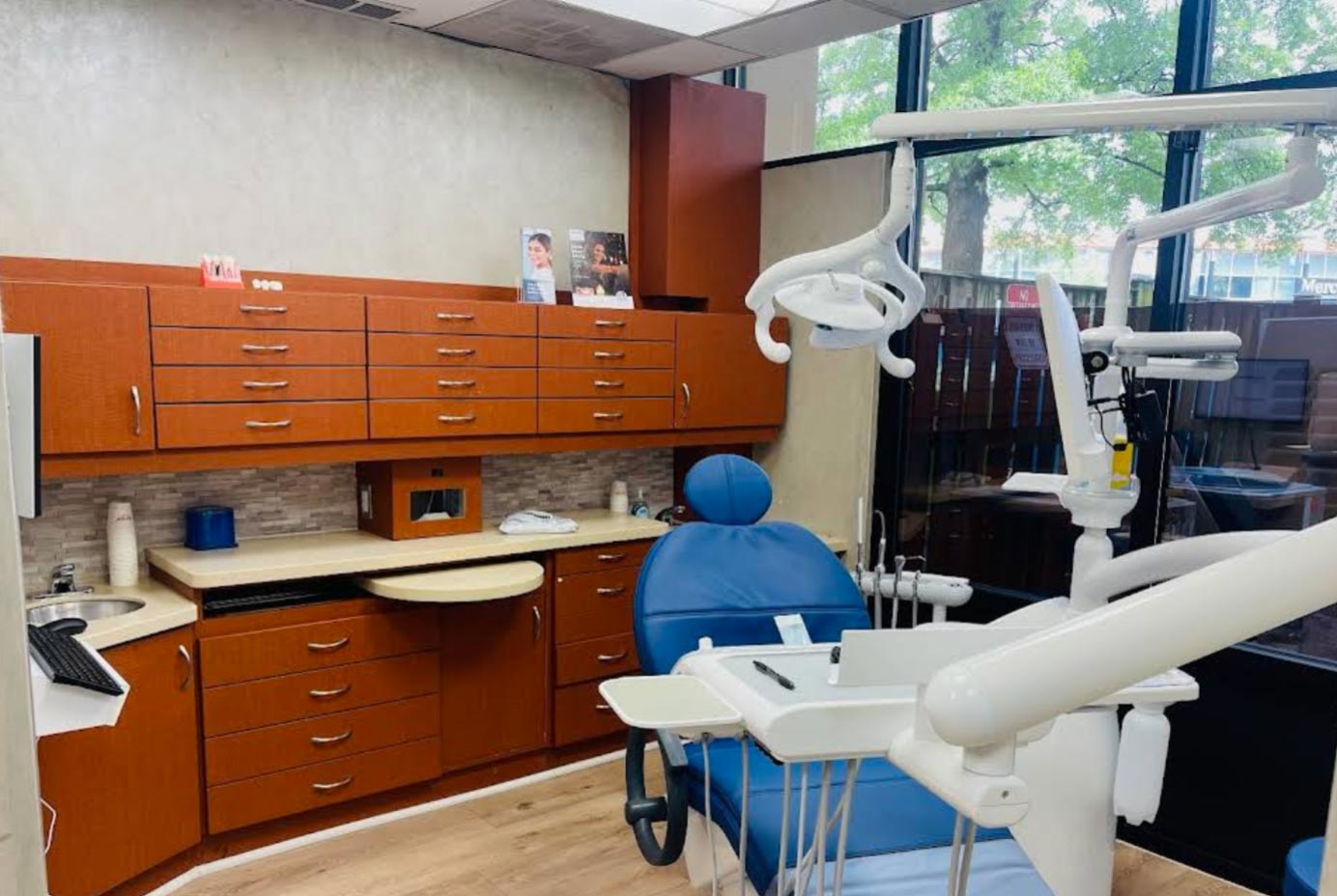
We are here to help you take the next step toward a healthier smile.
Whether you have questions about our services, insurance, or scheduling your first visit, our team is ready to assist you.
We welcome new and returning patients and are happy to help you find a time that fits your schedule. Reach out to our office today to schedule an appointment or learn more about how we can support your oral health. We look forward to welcoming you to our practice.