Tooth decay remains one of the most common chronic childhood conditions, and it also affects adults across the lifespan. Fluoride is one of the most effective, evidence-based tools dentists use to reduce the risk of decay. By integrating professional fluoride applications into routine dental care, clinicians can strengthen vulnerable tooth surfaces and reduce the chance that early enamel damage progresses to cavities.
Professional fluoride treatments are not a substitute for daily oral hygiene, but they add an important layer of protection. When combined with regular brushing, flossing, and dietary awareness, topical fluoride helps create an environment in the mouth that is less hospitable to decay-causing bacteria. That combined approach gives families and adults a better chance of maintaining healthy teeth between preventive visits.
At our practice in Arlington, Virginia, we recommend fluoride as part of a tailored prevention plan. The frequency and form of treatment will vary by age, oral health status, and individual risk factors. A dentist or hygienist can explain how fluoride fits into a complete strategy for protecting your smile.
Fluoride works primarily by interacting with the mineral structure of tooth enamel. When applied topically, it helps teeth resist acid attacks produced by plaque bacteria and sugary foods. It also encourages the redeposition of minerals into areas of early enamel softening, a process commonly called remineralization.
Professional topical fluorides come in several formats that are selected based on a patient’s needs and comfort. Varnishes provide a concentrated coating that adheres to the tooth surface, allowing fluoride to be absorbed over time. Gels and foams are often applied with a small tray or swab for a brief, effective exposure. Each method delivers fluoride at a higher concentration than over-the-counter products, which is why they are administered in the dental office.
The sustained contact achieved with professional applications improves the uptake of fluoride into enamel compared with routine home care alone. For people with developing teeth, exposed root surfaces, or conditions that increase decay risk, that additional uptake can translate into measurable reductions in cavity formation.
A professional fluoride application is quick and generally comfortable. Typical appointments begin with a standard cleaning and examination so the clinician can assess current oral health and identify any areas that may benefit most from treatment. After cleaning, the hygienist or dentist prepares the fluoride in the appropriate form for the patient.
When varnish is used, it is painted directly onto the tooth surfaces and hardens within seconds. Gels and foams may be placed in a small tray that fits over the teeth for a short period. Patients usually experience no pain; some may notice a brief taste or sensation, but most treatments are completed in a matter of minutes. Protective measures are taken for young children and patients with special needs to ensure a safe, predictable procedure.
Following treatment, clinicians will explain any precautions to take for a short time — for example, avoiding eating or brushing for a brief interval when a varnish has been applied so the fluoride can fully set. These simple instructions help maximize the benefit of the appointment and are tailored to the specific product used and the patient’s circumstances.
Children are commonly the focus of fluoride programs because their developing teeth are more vulnerable to decay, and preventive measures can have long-term benefits. Regular topical applications during childhood help protect both primary (baby) teeth and the permanent teeth as they erupt. For many families, periodic in-office fluoride is an important complement to fluoride toothpaste and community fluoridation where available.
Adolescents and adults also gain advantages from targeted fluoride therapy. People with a history of frequent decay, those who wear braces, individuals with receding gums that expose root surfaces, and patients with reduced saliva flow (which normally helps buffer acids) are all candidates for more frequent professional fluoride care. The decision to treat is based on clinical findings and a discussion of personal risk.
Because risk can change over time, fluoride recommendations are not one-size-fits-all. A patient who was low risk in childhood might become higher risk later due to medical changes, medications, or lifestyle shifts. That’s why periodic assessments during routine dental visits are important — they allow the dental team to adjust preventive care as needs evolve.
When applied by dental professionals, topical fluoride is safe and effective. Safety concerns most often arise from inappropriate ingestion of concentrated fluoride products, which is why clinicians take care with application techniques—especially for young children. Varnishes, for example, are formulated to adhere to the teeth so minimal ingestion occurs, and clinicians use methods that minimize swallowing.
It’s helpful to distinguish between professional treatments and everyday fluoride use at home. Fluoride toothpaste and, in some cases, over-the-counter rinses provide lower concentrations intended for daily use. These products support enamel health between dental visits but do not replace the periodic higher-concentration applications performed in-office when indicated.
Families can also support fluoride’s protective effects through simple measures: supervise young children while brushing, use only a pea-sized amount of toothpaste for small children, and follow the dentist’s guidance about supplemental fluoride when necessary. If you have questions about safety or whether your child needs extra protection, bring them up at your next appointment so the team can provide specific, evidence-based recommendations.
Summary: Professional fluoride treatment is a proven, low-risk way to strengthen enamel and reduce the likelihood of cavities across all ages. When combined with good daily habits and regular dental care, it becomes an important part of a comprehensive prevention plan. If you’d like to learn whether fluoride treatment is right for you or your family, please contact Ballston Dental Center for more information.


Professional fluoride treatment is a dental procedure that applies a concentrated form of fluoride to the teeth in a controlled setting. It is designed to strengthen enamel, enhance remineralization of early lesions, and reduce the risk that enamel damage will progress to a cavity. These applications are delivered by a dentist or hygienist as part of routine preventive care.
At Ballston Dental Center in Arlington, Virginia, fluoride is recommended as one element of a personalized prevention plan based on age, oral health status, and individual risk factors. The in-office products are stronger than over-the-counter options and are selected to give teeth sustained exposure to fluoride. Your dental clinician will explain how professional fluoride fits into your overall care strategy.
Fluoride works primarily by interacting with the mineral structure of tooth enamel to make it more resistant to acid produced by plaque bacteria and dietary sugars. It also supports remineralization by promoting redeposition of lost minerals into areas of early enamel softening, slowing or reversing early decay. These biochemical effects reduce the likelihood that microscopic enamel damage will become a cavity.
Topical fluoride applied in the dental office delivers a higher concentration directly to vulnerable surfaces, improving uptake compared with routine home care alone. For people with developing teeth, exposed roots, or elevated decay risk, this added uptake can translate into meaningful reductions in new cavity formation. Fluoride complements daily brushing, flossing, and a balanced diet to create a less favorable environment for decay-causing bacteria.
Professional topical fluorides are available as varnishes, gels, and foams, and the choice depends on patient needs and comfort. Varnish is painted onto teeth and hardens quickly to provide sustained contact, while gels and foams are often applied in a small tray or with gauze for a short, effective exposure. Each method delivers fluoride at a higher concentration than typical home-use products.
The clinician will recommend a format based on age, behavior, and specific clinical concerns, such as areas of early enamel breakdown or exposed root surfaces. Special considerations are taken for young children and patients with special needs to minimize ingestion and ensure a safe application. Regardless of format, the goal is to maximize fluoride uptake while keeping the procedure quick and comfortable.
The recommended frequency of professional fluoride applications varies with age, decay risk, and clinical findings; there is no one-size-fits-all schedule. Children with developing teeth or higher decay risk may benefit from more frequent visits, while low-risk adults and children may only need periodic applications during routine cleanings. Your dentist or hygienist will assess individual risk factors and create a personalized schedule.
Risk can change over time because of factors such as medication use, health conditions that reduce saliva, orthodontic treatment, or dietary changes. Regular dental visits allow the team to reassess and adjust fluoride frequency as needed to maintain protective benefits. If your circumstances change, discuss them at your next appointment so your prevention plan can be updated.
When administered by trained dental professionals, topical fluoride is both safe and effective for patients across the lifespan. Clinicians use application techniques and product formulations that minimize the risk of ingestion, particularly for young children, and they provide guidance to parents on post-treatment precautions. The controlled office setting ensures appropriate dosing and reduces the chance of adverse effects.
It is important to distinguish professional applications from inappropriate ingestion of concentrated fluoride products, which can cause issues if swallowed in large amounts. For routine home care, fluoride toothpaste and over-the-counter rinses are formulated for daily, safe use according to age-specific recommendations. If you have concerns about safety or dosage for a child or adult in your household, bring them up with your dental provider for evidence-based guidance.
A typical fluoride visit begins with a standard cleaning and examination so the clinician can identify areas that would most benefit from treatment. After the teeth are cleaned and dried, the hygienist or dentist applies the chosen fluoride product—varnish is painted on, while gels or foams may be applied with a tray or swab. The procedure is usually quick and comfortable, often taking only a few minutes for the application itself.
After treatment, your clinician will explain any short-term precautions, such as avoiding eating or brushing for a brief interval when varnish is used so the fluoride can set. These instructions help maximize uptake and are tailored to the product and patient age. Protective measures for children or patients with special needs are discussed and implemented as necessary to ensure a safe experience.
Yes. Patients with orthodontic appliances, restorations, or exposed root surfaces often face elevated risk for localized decay and sensitivity, and targeted fluoride therapy can help address these vulnerabilities. Brackets and wires make home care more challenging and create areas where plaque can accumulate, so professional fluoride can provide an added protective layer. Similarly, exposed root surfaces lack enamel and are more susceptible to decay and abrasion, making fluoride particularly valuable.
Your dental team can recommend specific application methods and adjunctive products—such as prescription-strength home rinses—when appropriate to protect challenging areas. Ongoing monitoring during routine visits allows clinicians to adjust interventions if decay risk changes. Fluoride works best as part of a comprehensive plan that includes meticulous hygiene and periodic professional care.
Fluoride complements other preventive strategies rather than replacing them; each approach addresses decay risk in a different way. Sealants provide a physical barrier over deep grooves in molars to prevent bacteria and food particles from lodging, while fluoride strengthens enamel and promotes remineralization of early lesions. Daily fluoride toothpaste provides consistent, low-dose protection, and professional applications deliver higher concentrations when indicated.
When combined, these measures create multiple layers of defense: mechanical removal of plaque through brushing and flossing, barrier protection where anatomy makes cleaning difficult, and chemical reinforcement of enamel by fluoride. A tailored prevention plan uses the right combination of interventions based on age, risk, and clinical findings for the best long-term results.
Side effects from properly applied topical fluoride are uncommon and generally mild; some patients may notice a brief taste or transient sensitivity following an application. Clinicians minimize swallowing of concentrated products, which is the primary precaution for young children, and provide clear post-treatment instructions to reduce any minor risks. If an unusual reaction occurs, the dental team can evaluate and address it promptly.
Certain systemic conditions and medication profiles can affect oral health and may influence fluoride recommendations, so it is important to share your medical history with your dental provider. If you or a family member experience persistent discomfort or have questions about post-treatment care, contact your dental office for clarification. Ongoing communication ensures that preventive care remains safe and effective for each patient.
The decision to recommend professional fluoride is based on a clinical evaluation of decay risk, oral anatomy, saliva production, medical history, and lifestyle factors such as diet and oral hygiene. During a routine exam the dentist or hygienist will assess these variables, review any previous decay patterns, and discuss how fluoride could reduce future risk. This individualized approach ensures recommendations match each patient’s needs rather than applying a uniform schedule.
If you are unsure whether fluoride is appropriate for a child or adult in your household, bring the topic up at your next preventive visit so the team can explain the rationale and tailor a plan. Periodic reassessment allows the dental team to modify recommendations as risk levels change over time. For more information or to schedule an evaluation, contact Ballston Dental Center and speak with a member of the clinical team.
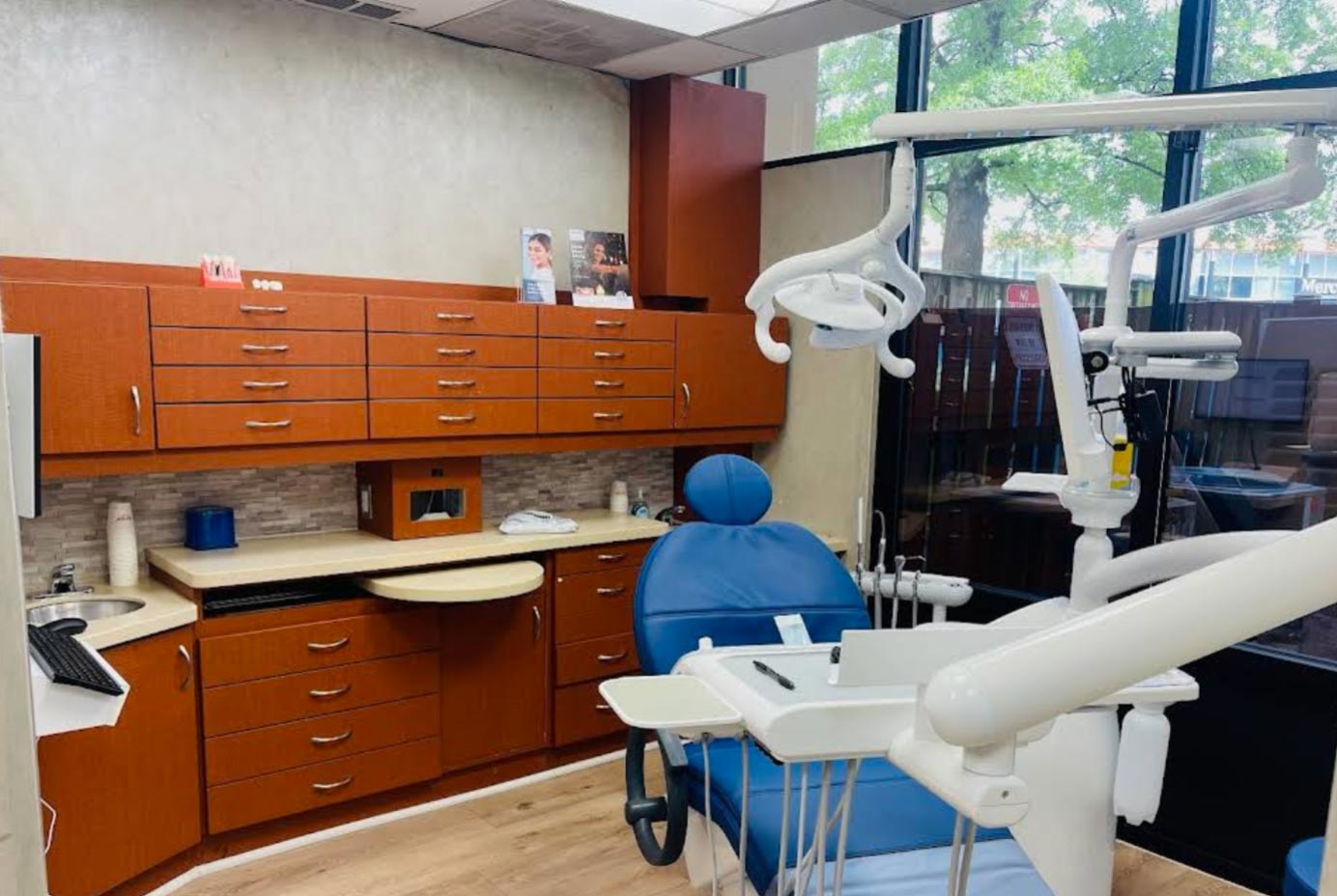
We are here to help you take the next step toward a healthier smile.
Whether you have questions about our services, insurance, or scheduling your first visit, our team is ready to assist you.
We welcome new and returning patients and are happy to help you find a time that fits your schedule. Reach out to our office today to schedule an appointment or learn more about how we can support your oral health. We look forward to welcoming you to our practice.