Dental pain and injuries can range from minor annoyances to conditions that require immediate care. True emergencies often involve severe, sudden pain, uncontrolled bleeding, signs of infection such as swelling or fever, or a tooth that has been knocked out. Recognizing these red flags early helps patients seek prompt attention and reduces the risk of lasting damage to teeth, gums, or surrounding tissues.
Not every dental problem is an emergency, but uncertainty is common. If an injury or symptom causes significant discomfort, interferes with breathing or swallowing, or produces a rapidly expanding swelling, it should be treated as an urgent matter. When in doubt, contacting a dental professional promptly is the safest course of action to determine whether same-day treatment is needed.
Knowing what to look for — and acting quickly when you see it — can preserve natural tooth structure and prevent more invasive procedures later. Our approach prioritizes rapid assessment and clear guidance so patients can make informed decisions about next steps. We aim to remove the guesswork so pain relief and effective care happen without unnecessary delay.
Emergency dental care covers a broad spectrum of conditions. Some of the most frequent issues include severe toothaches caused by deep decay or infection, fractured or chipped teeth after trauma, and teeth that have been partially or completely dislodged. Each of these situations involves different risks and treatment priorities, from relieving pain to stabilizing the affected tooth.
Soft-tissue injuries to the lips, tongue, cheeks, or gums — including lacerations and painful ulcers — also require prompt attention, especially when bleeding or swelling is present. Dental infections, such as abscesses, can escalate quickly and may cause systemic symptoms; early intervention reduces the likelihood of the infection spreading. Problematic wisdom teeth that suddenly become inflamed or trapped can produce intense discomfort and often need timely evaluation.
Patients also come in with broken restorations like loose or lost fillings and crowns, which expose tooth structure and can cause sensitivity or pain. Ill-fitting or damaged dentures and appliances that cause sores or interfere with eating should be addressed without delay. In every case, the immediate focus is pain control, infection management, and protecting long-term oral function.
We assess each urgent concern individually, guided by clinical examination and, when appropriate, diagnostic imaging. That tailored evaluation allows us to recommend targeted treatments that address both immediate symptoms and long-term outcomes.
When a patient arrives with an urgent dental issue, the first priority is a focused clinical assessment. We listen closely to the patient’s description of events, review medical history for factors that might influence care, and perform a rapid oral exam to localize the problem. This initial step helps us determine whether immediate intervention or short-term stabilization is needed.
Diagnostic tools such as digital X-rays or intraoral imaging may be used to clarify the extent of damage or to identify hidden infections. These tests are fast and minimally invasive, providing the team with the information necessary to make safe, evidence-based decisions. We explain findings and treatment options in plain language so patients understand the rationale behind recommended care.
Pain control and infection management are often addressed early in the visit. That may include local anesthetic to allow comfortable treatment, short-term medications when clinically appropriate, or drainage of an abscess if indicated. Throughout, the emphasis is on patient comfort and clear communication about what to expect during and after the appointment.
The appropriate treatment depends on the cause and severity of the emergency. For chips and fractures that are primarily cosmetic or superficial, bonding or a conservative restoration can restore form and function. When decay or trauma reaches the inner tooth structures, root canal therapy is a reliable way to remove infection and preserve the natural tooth, avoiding extraction whenever possible.
In cases where a tooth has been completely knocked out, prompt action dramatically improves the chance of successful reimplantation. Patients should keep the tooth moist and seek immediate care; every minute counts. For fractured roots or teeth with irreversible damage, extraction may be the safest option, followed by a thoughtful plan to replace the missing tooth using modern restorative options.
Management of infections typically combines local treatment with appropriate medications and follow-up monitoring. When dental infections threaten adjacent structures or create significant swelling, coordinating care with medical providers may be necessary. Our goal is to use treatments that relieve symptoms quickly while minimizing disruption to patients’ daily lives.
For damaged restorations, we provide same-day repairs or temporary solutions when possible, then schedule definitive restoration once the tooth is stable. This staged approach helps patients resume normal function promptly and protects oral health during recovery.
Proper aftercare is essential to a successful recovery following an emergency visit. We provide clear, written post-treatment instructions covering pain management, oral hygiene adjustments, diet recommendations, and signs that warrant a return visit. Adhering to these guidelines reduces the risk of complications and speeds healing.
Follow-up appointments allow us to confirm that treatment has been effective and to move forward with any necessary restorative work. For example, a tooth saved with root canal therapy often later receives a crown to reinforce its structure. Patients should keep scheduled follow-ups so we can monitor healing and finalize care with long-term function and aesthetics in mind.
Prevention is also part of our emergency strategy. We work with patients to identify behaviors or risk factors — such as bruxism (teeth grinding), neglected restorations, or participation in contact sports without protection — and recommend solutions to reduce future emergencies. Simple preventive measures, early repairs, and protective appliances can make a significant difference in preventing repeat visits.
At Ballston Dental Center, our team is committed to delivering calm, efficient, and clinically driven emergency care to patients in Arlington and the surrounding community. If you or a family member are facing a dental emergency, contact us for more information about how we can help and what to expect during your visit.



Pain is your body's way of signaling that something is not quite right and though there are many reasons for oral pain, one of the most common complaints and reasons for seeking urgent dental care is a toothache. Whether you simply need a dental filling, a crown, or require a root canal procedure to save your tooth, we'll alleviate your discomfort and restore the look and function of the involved tooth.
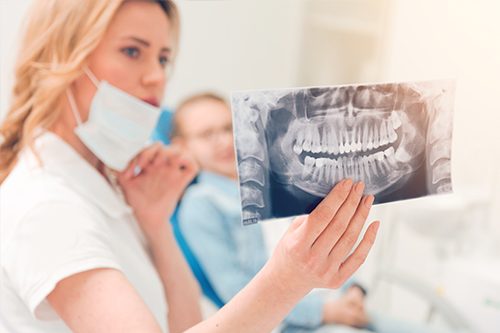
Dental trauma can result in a defect as minor as a small chip in tooth enamel to a more extensive and painful crack or fracture. With sufficient force, a tooth can even be displaced or completely knocked out of its socket. With prompt emergency care, many injured teeth can be restored and saved.
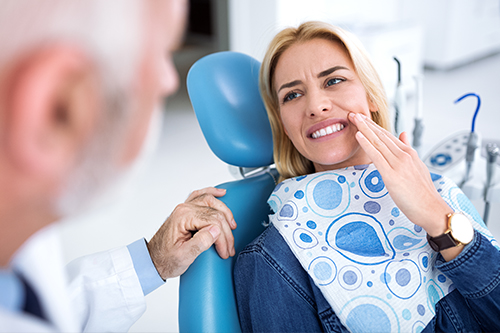
The last teeth in your mouth to develop, wisdom teeth often do not have enough room to fully erupt or may be positioned in the wrong direction. These issues can affect your dental health as well as overall well-being. Our office provides skilled care to address the complications caused by problematic wisdom teeth.
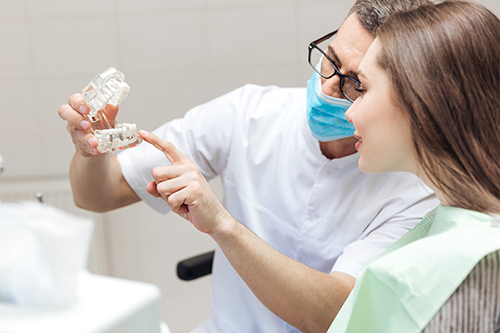
A broken or lost dental prosthesis or restoration can cause embarrassing gaps in your smile as well as compromise your ability to eat and speak with ease. If you've lost or broken a dental filling, denture, crown, or other dental appliance, you can rely on our office to perform a prompt repair or provide a durable and cosmetically pleasing replacement as quickly as possible.
At the office of Ballston Dental Center, emergency appointments are always available. Of course, in addition to providing top treatment for dental emergencies, we also welcome patients searching for high quality and affordable care. We offer a complete range of the latest and best cosmetic and dental services for every member of your family.
If you are suffering from a toothache or have sustained a dental injury, it is important to visit the dentist as soon as possible before more serious complications arise. Whether your dental emergency is painful, if it affects the appearance of your smile, or if you suspect that an infection is present, our office will make every effort to see you as promptly as possible for care.
At the office of Ballston Dental Center, we treat your dental emergency as our top priority. Our caring team will respond to your emergency call right away, making sure you get the gentle, state-of-the-art care you need without delay.
As your trusted emergency dentist in Arlington, we provide the highest quality of care to mitigate the stress, anxiety, and discomfort of dental problems. Our dedicated team will help you start feeling better as soon as we receive your emergency call.
At the office of Ballston Dental Center, we provide skilled and experienced care to effectively resolve a broad range of dental emergencies, restoring a patient's oral health while protecting their overall wellbeing.
However, even so, specific dental emergencies pose significant threats to one's health. These situations require immediate, emergency room care. Serious and potentially life-threatening dental emergencies include significant oral and facial trauma such as jaw fractures, deep wounds or lacerations to the face and mouth, an abscess or infection that causes widespread facial or submandibular swelling, or affects breathing and swallowing.
At the office of Ballston Dental Center, we provide prompt, skilled, and experienced care to address dental emergencies. We understand that finances are always a concern and do our best to provide options in care that are both affordable and respect your budget.
Once we've had the opportunity to examine your smile, we can give you a clear picture of any existing dental issues, along with a quote for what the cost of treatment will be. The cost of care all depends upon the extent and complexity of issues affecting the health or appearance of your smile and the types of procedures that are required.
To help alleviate any additional stress or delay, you can count on our staff to work with you to optimize coverage for your dental care and to minimize your out-of-pocket expenses. For patients without insurance, we strive to make things easier as well! We invite you to visit our financial information page or speak to an expert in our business office.
Dental emergencies are often painful and debilitating experiences. For this reason it's important to have an emergency dentist in Arlington, who welcomes patients with urgent dental needs while providing the prompt care required to restore oral health.
Here are just some of the reasons why so many patients choose our office for emergency dental care and to meet their family's dental needs:
We're dedicated to helping patients enjoy good oral health and beautiful smiles. We look forward to helping you keep your smile in tip-top condition. You can rest assured that our highly skilled office team will provide you the highest quality of state-of-the-art dental care and have you smiling again in no time!
To make an appointment or for more information on our office and the many state-of-the-art services we provide, give us a call today.
A dental emergency is any condition that causes severe, sudden pain, uncontrolled bleeding, rapid swelling, or difficulty breathing or swallowing. It also includes teeth that have been partially or completely dislodged and injuries that break tooth structure or damage soft tissues. Persistent high fever with oral pain or signs of spreading infection should be treated as urgent.
If you are unsure whether a problem is an emergency, err on the side of caution and contact your dental office promptly. Quick evaluation reduces the risk of permanent damage and increases the chance of saving natural tooth structure. Triage helps determine whether same-day treatment is needed or if careful monitoring is appropriate.
If a tooth is completely knocked out, handle it carefully by the crown and avoid touching the root. If possible, rinse the tooth gently with water without scrubbing and try to reinsert it into the socket; if reinsertion isn’t possible, keep the tooth moist in milk or saliva and seek immediate dental care. Time is critical—earlier reimplantation significantly improves the chance of success.
Avoid cleaning the socket vigorously or forcing the tooth into place if it feels tight or if the patient is a child and unable to cooperate. Bring the tooth with you and explain the circumstances to the dental team so they can prioritize care. The clinician will assess the tooth, stabilize it if appropriate, and outline follow-up steps to monitor healing.
For severe dental pain, start with simple measures such as rinsing with warm salt water to help reduce inflammation and gently removing any trapped food with floss. Over-the-counter analgesics may relieve pain temporarily; follow the medication’s directions and check for any medical contraindications. Applying a cold compress externally can reduce swelling and provide short-term comfort for trauma-related pain.
Avoid placing aspirin or other medications directly on the gums or tooth, as this can irritate tissues. If pain is accompanied by fever, spreading swelling, or difficulty breathing, seek urgent care rather than waiting for a routine appointment. The dental team will focus on diagnosing the cause and providing definitive measures for lasting relief.
Swelling that appears suddenly, grows rapidly, or affects the floor of the mouth, throat, or eyes can threaten the airway and should be treated as an emergency. Signs of systemic infection—such as fever, chills, or general malaise—combined with oral pain or a visible abscess warrant prompt evaluation. Early intervention reduces the risk of the infection spreading to deeper spaces in the head and neck.
Immediate treatment may include drainage of an abscess, local care to address the source, and appropriate medications as indicated by the clinician. If you notice red streaking, difficulty breathing or swallowing, or rapidly increasing swelling, go to the nearest emergency facility and notify your dental office. Coordinated care between medical and dental providers is sometimes necessary for severe infections.
Minor chips or small, nonpainful defects in a crown or filling can frequently wait for a scheduled appointment, but exposure of the underlying tooth or sudden sharp pain often requires sooner attention. When a restoration is lost or loose, the exposed tooth can be sensitive to temperature and prone to further damage or decay. Temporary measures, such as covering sharp edges with dental wax or maintaining meticulous oral hygiene, can help until you are seen.
If the broken restoration causes persistent pain, biting discomfort, or soft-tissue injury, contact your dental office for advice about same-day care. The dental team can recommend immediate steps and prioritize urgent repairs or temporary stabilization. Addressing the problem promptly reduces the likelihood of more extensive treatment later.
During an emergency visit, the clinician begins with a focused history and clinical examination to identify the source of pain or injury and any medical factors that might affect treatment. Rapid diagnostic tools such as digital X-rays or intraoral imaging are used when needed to clarify the extent of damage or the presence of infection. Communication about findings and treatment options is emphasized so patients understand the rationale for recommended care.
Pain control and stabilization are priorities; this may include local anesthetic, temporary restorations, drainage of an abscess, or medication when appropriate. The team will explain immediate aftercare, any necessary follow-up, and recommendations to protect long-term oral health. At Ballston Dental Center we strive to deliver calm, evidence-based emergency care tailored to each patient’s needs.
Yes, diagnostic imaging is commonly used during emergency visits to assess fractures, root involvement, and hidden infections that are not visible on clinical exam alone. Digital X-rays and intraoral photography are fast, minimally invasive tools that provide critical information to guide treatment decisions. These tests help determine whether a tooth can be saved, needs stabilization, or requires extraction.
In certain situations, referrals for advanced imaging such as CBCT may be appropriate to evaluate complex trauma or to plan surgical care. The dental team will explain the benefits of any recommended test and how the results influence treatment choices. Rapid, targeted diagnostics improve the accuracy and safety of emergency interventions.
Treatment to preserve an injured tooth depends on the type and severity of damage but commonly includes bonding of fractures, placement of temporary or definitive restorations, or root canal therapy when the pulp is affected. For teeth that are luxated or partially dislodged, repositioning and splinting can stabilize the tooth while the surrounding tissues heal. When reimplantation is possible for an avulsed tooth, prompt action greatly improves the long-term prognosis.
When a tooth is not restorable due to extensive structural or root damage, extraction followed by a restorative plan may be necessary. The dental team will discuss the rationale for each option and outline next steps to restore function and appearance. Wherever possible, clinicians prioritize treatments that preserve natural dentition and support overall oral health.
After emergency treatment, follow written post-op instructions carefully, including guidelines for medication, oral hygiene, and diet. Gentle rinsing with warm salt water, avoiding hard or sticky foods, and following any restrictions on chewing or physical activity will support healing. Keep a list of prescribed medications and take them exactly as directed, and contact the office if you experience worsening pain, fever, or unusual swelling.
Attend all recommended follow-up appointments so the clinician can monitor recovery and plan definitive restorative care if needed. Soft-tissue injuries and surgical sites may require extra time to heal, and timely checkups help ensure complications are addressed early. Proper aftercare reduces the risk of recurrence and helps restore normal function sooner.
Prevention begins with routine dental care and early attention to minor problems before they become urgent; regular exams and timely repair of small fractures or failing restorations greatly reduce emergency risk. Using protective gear such as a custom sports mouthguard during contact activities and addressing parafunctional habits like bruxism with night guards helps protect teeth from trauma and wear. Maintaining good oral hygiene and seeking prompt care for pain or swelling also prevents progression to more serious conditions.
Discussing individual risk factors with your dental team allows for personalized prevention strategies and monitoring plans. If you are in the Arlington area and need guidance, the team at Ballston Dental Center can review protective options and early-intervention approaches to help minimize future emergencies. Early planning and consistent care are the best defense against unexpected oral health crises.
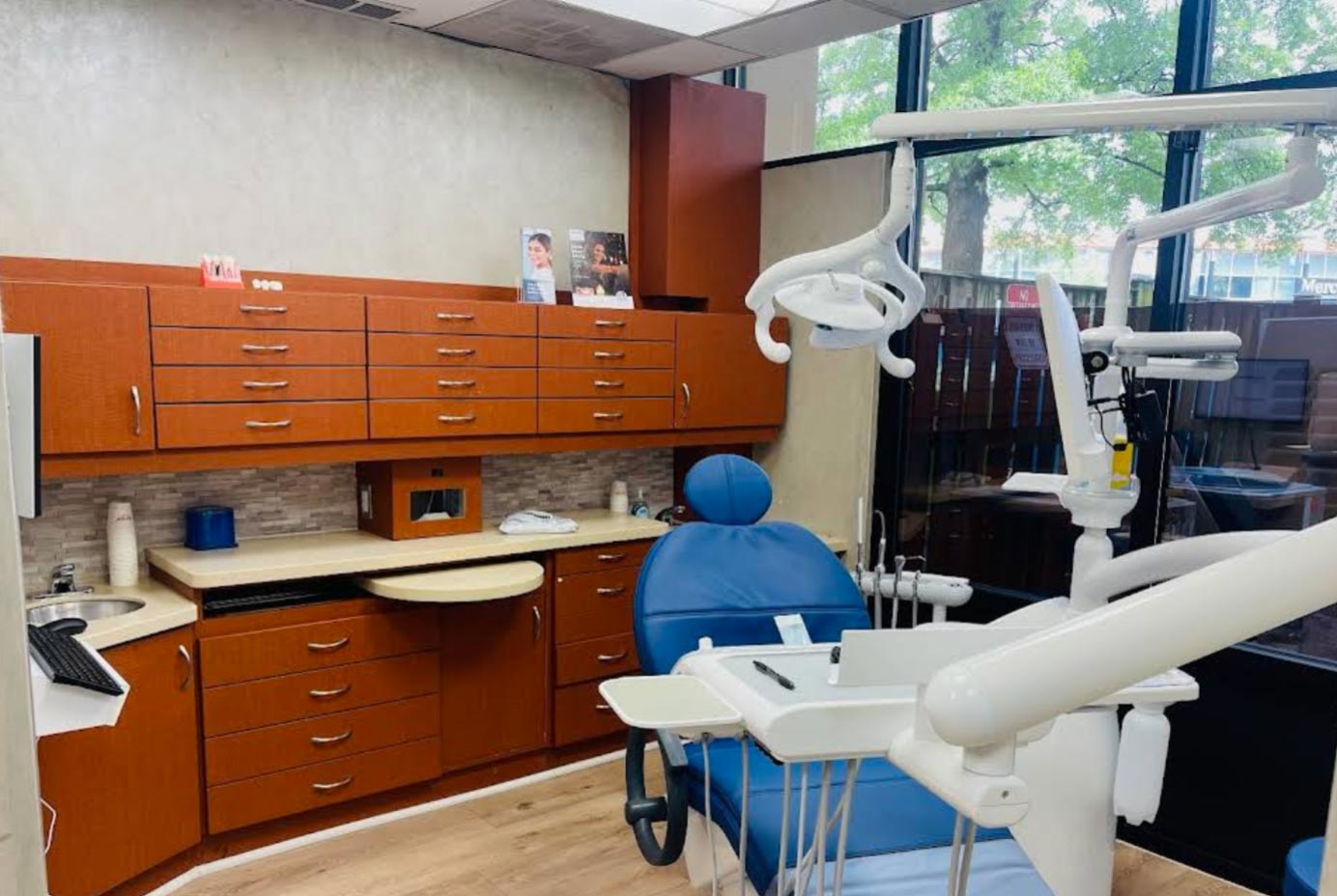
We are here to help you take the next step toward a healthier smile.
Whether you have questions about our services, insurance, or scheduling your first visit, our team is ready to assist you.
We welcome new and returning patients and are happy to help you find a time that fits your schedule. Reach out to our office today to schedule an appointment or learn more about how we can support your oral health. We look forward to welcoming you to our practice.