Permanent back teeth—molars and premolars—have deep grooves and pits that trap food and bacteria. These textured surfaces are prime locations for cavities to begin, especially in younger patients who may miss those spots while brushing. Dental sealants act as a physical barrier, smoothing and filling those hard-to-reach crevices so bacteria and sugars are less likely to take hold. The American Dental Association has long cited sealants as an effective preventive measure for reducing decay on chewing surfaces.
Sealants are a targeted approach to prevention: rather than changing a child’s entire routine overnight, they protect the areas most at risk while home care habits develop. Because they are applied directly to the chewing surfaces, sealants work alongside brushing and fluoride rather than replacing them. For families seeking practical, minimally invasive ways to reduce cavity risk, sealants offer a straightforward layer of defense that can make routine care more effective.
Beyond children, older teens and adults with deep fissures can also benefit from sealants in select situations. Wherever tooth anatomy presents trapping points that are difficult to clean, a thin, durable coating can substantially lower the chance of decay. When evaluated as part of a complete oral exam, sealants become one more tool in a prevention-first philosophy that aims to protect healthy enamel before more invasive treatment is needed.
Sealants are commonly recommended soon after a child’s permanent molars and premolars erupt, typically between ages 6 and 14, when those teeth are most vulnerable to decay. The timing matters because newly erupted teeth have fresh enamel that can be protected before life-long habits are fully established. Pediatric patients, tweens, and teens are frequent candidates, but dental professionals also assess each individual’s risk when making recommendations.
Risk factors that prompt consideration include a history of cavities, deep grooves in chewing surfaces, orthodontic appliances that complicate cleaning, or inconsistent brushing and flossing. Adults who exhibit similar risk characteristics—such as complex anatomy or difficulty with effective cleaning—may also be appropriate candidates. The decision is personalized: a clinician will weigh tooth anatomy, oral hygiene, diet, and decay history to determine whether sealants are a sensible preventive step.
Because sealants are preventive rather than restorative, they are most effective when applied early in the life of a permanent tooth. Still, sealants can be placed over small, early areas of decay in some cases to halt progression, but that is a clinical judgment made on a case-by-case basis. Regular dental visits allow the care team to monitor erupting teeth and make timely recommendations tailored to each patient’s development and risk profile.
The application process for a dental sealant is intentionally simple and designed for comfort. After a thorough cleaning and exam, the tooth surface is isolated and gently cleaned to remove plaque and debris. A mild conditioning agent is applied to the enamel for a short time to ensure optimal adhesion, then the area is rinsed and dried. These steps prepare the tooth so the sealant material bonds securely to the chewing surface.
The sealant itself is a flowable, tooth-colored resin that the clinician paints into the grooves and fissures. It spreads into the tiny crevices and is then cured with a focused light that hardens the material in seconds. The entire appointment for a single tooth typically takes only a few minutes, and most patients experience no discomfort. Once set, the sealant is checked for proper coverage and bite balance to make sure it feels natural.
Follow-up on the day of placement is minimal—patients can eat and drink normally once the material is fully cured. At subsequent routine visits, the dental team inspects sealants to confirm they remain intact and effective. Because the process is quick and noninvasive, it fits easily into preventive visits and can often be completed in the same appointment as a cleaning and exam.
Sealants are durable, but like any dental material they are subject to wear from chewing forces and grinding. Many sealants remain intact for several years, and some can last much longer with proper maintenance. During routine checkups, clinicians evaluate sealant integrity and can repair or reapply material in areas where wear or damage is detected. This proactive monitoring helps extend protection without resorting to restorative treatment.
Home care routines remain important after sealant placement. Brushing twice daily with fluoride toothpaste, flossing, and maintaining regular professional cleanings continue to be the foundation of oral health. Sealants reduce the risk of decay on chewing surfaces but do not protect between teeth, so interdental cleaning is still essential. Good habits combined with periodic professional assessments create the best conditions for long-lasting sealant performance.
Parents and patients should watch for changes in a sealed tooth—if a sealant chips or a rough edge develops, schedule a dental visit so the material can be evaluated. In many cases a simple repair restores full function and protection. The collaborative approach—patient vigilance plus professional checkups—ensures sealants deliver reliable benefits across the years when teeth are most susceptible to decay.
Modern sealants are made from biocompatible resin materials that have been studied for safety and effectiveness. They are applied in thin layers and bonded to enamel using well-established adhesive techniques; the small amount of material used and the noninvasive nature of the procedure keep risk minimal. Clinicians select products and protocols that meet current standards so patients receive protective coatings that perform as intended.
Sealants are not a substitute for fluoride or professional cleanings; rather, they complement those measures. Fluoride strengthens enamel systemically and topically, while sealants block out debris and bacteria on vulnerable chewing surfaces. When combined with regular dental exams, cleanings, fluoride treatments as appropriate, and consistent home care, sealants help form a comprehensive prevention strategy that reduces the likelihood of future cavities and the need for restorative care.
At the practice level, sealant recommendations are individualized to reflect each patient’s anatomy, risk, and oral health goals. By incorporating sealants into a broader prevention plan, clinicians aim to preserve natural teeth and minimize invasive procedures. When families prioritize early protection and ongoing monitoring, sealants become an effective component of lifelong dental health.
In summary, dental sealants provide a simple, proven barrier that protects vulnerable chewing surfaces from decay. When applied and monitored as part of a comprehensive preventive program, they help reduce the need for future restorative work while supporting everyday oral hygiene efforts. If you have questions about whether sealants are a good option for you or your child, please contact Ballston Dental Center for more information.


Dental sealants are thin, protective coatings applied to the chewing surfaces of molars and premolars to block grooves and pits where food and bacteria collect. The material is a flowable resin that bonds to enamel and forms a smooth surface that is easier to clean with a toothbrush. By physically preventing debris and bacteria from settling into fissures, sealants reduce the opportunity for decay to start on those vulnerable surfaces.
Sealants are applied directly to the tooth and cured so they harden quickly, creating a durable barrier over fissures and grooves. They work in concert with fluoride and good home care rather than replacing either, addressing a specific anatomical risk that brushing alone can miss. The result is an added layer of prevention that targets the areas most prone to cavities, especially during the early years after permanent teeth erupt.
Candidates for sealants are typically patients with deep fissures or pits on the chewing surfaces of permanent molars and premolars that are difficult to clean thoroughly. Children and adolescents are common candidates because newly erupted permanent teeth are more vulnerable to decay, but clinicians evaluate risk factors for each patient. A history of cavities, limited ability to maintain consistent oral hygiene, or orthodontic appliances that complicate cleaning may all indicate that sealants are a sensible preventive measure.
The decision to place sealants is individualized and made during a comprehensive exam that considers tooth anatomy, diet, and oral hygiene habits. Clinicians may recommend sealants for selected adults who have complex occlusal anatomy or who struggle with effective cleaning between dental visits. Ultimately, sealants are one preventive option among several and are chosen when they align with the patient’s risk profile and long-term oral health goals.
Sealants are most often recommended soon after a child’s permanent molars and premolars erupt, typically between ages 6 and 14, because teeth are most vulnerable to decay when they are newly erupted. Applying a sealant early helps protect the tooth during the period when brushing technique is still developing and enamel is maturing. Timing matters because placing a sealant before decay begins gives the best chance of preventing cavities on chewing surfaces.
Regular dental visits during these formative years allow the care team to monitor eruption patterns and make timely recommendations for sealants. If a tooth erupts later or orthodontic treatment alters eruption, clinicians will reassess the need for sealants at follow-up appointments. This proactive scheduling helps ensure protection is in place during the highest-risk window for occlusal decay.
Yes—selected adults can benefit from sealants when tooth anatomy or cleaning challenges create a heightened risk for decay on chewing surfaces. Adults with deep grooves, limited access for brushing and interdental cleaning, or medical or physical conditions that make thorough oral hygiene difficult may be appropriate candidates. A dental exam evaluates whether the occlusal surfaces are sound and suitable for a preventive coating rather than a restorative procedure.
In some cases, sealants may be placed over small, noncavitated areas to halt early progression, but this is a clinical judgment based on the tooth’s condition. For adults with healthy occlusal enamel that traps debris, sealants can be a minimally invasive option to reduce future restorative needs. Ongoing monitoring ensures that any wear or changes are addressed promptly.
The sealant application is simple and generally completed in a short visit following a cleaning and exam. The tooth is isolated, gently cleaned, and conditioned so the sealant bonds well to the enamel; the flowable resin is then painted into the grooves and cured with a light that hardens the material in seconds. The clinician checks coverage and bite balance before concluding the appointment to ensure the sealant feels natural and does not affect chewing.
Most patients experience no discomfort, and normal eating and drinking can resume once the material is fully cured. Sealant placement is often integrated into routine preventive visits and can be done for multiple teeth during the same appointment. After placement, the dental team will inspect the sealants at future checkups to confirm they remain intact and effective.
Sealants are durable but subject to wear from chewing forces and habits such as grinding; many remain intact for several years with proper care. Their longevity depends on material, occlusion, and oral habits, and routine dental exams are the primary way clinicians monitor their condition. At regular checkups the team inspects sealants and can repair or reapply material in areas where wear or damage is detected, extending their protective benefit without resorting to restorative treatment.
Home care remains essential after sealant placement: brushing twice daily with fluoride toothpaste, flossing, and attending professional cleanings help protect all tooth surfaces. Sealants protect only the treated chewing surfaces and do not replace interdental cleaning, so continued flossing is necessary. Patients should report any feeling of roughness or a chipped area so the practice can evaluate and address the issue promptly.
Modern sealants are made from biocompatible resin materials that have been studied for safety and effectiveness when used according to clinical protocols. They are applied in thin layers and bonded to enamel using established adhesive techniques that minimize exposure and maximize retention. The noninvasive nature of the procedure and the small amount of material used contribute to a low-risk profile for most patients.
Clinicians select products that meet current regulatory and professional standards and follow recommended application steps to ensure optimal performance. If patients have specific material concerns or allergies, the dental team will review options and make recommendations based on individual needs. Overall, sealants are considered a safe preventive tool when placed and monitored by trained professionals.
If a sealant chips, becomes rough, or is lost, schedule a dental appointment so the tooth can be evaluated and appropriate action taken. In many cases a simple repair or reapplication restores full coverage and protection without additional invasive treatment. Prompt attention helps prevent food and bacteria from collecting in the exposed fissure and reduces the chance that decay will develop under the damaged area.
During routine checkups the dental team inspects sealants for wear and addresses minor issues proactively, but patients should also report changes they notice between visits. Timely evaluation supports a conservative approach to care by maintaining preventive protection and catching early signs of deterioration. Keeping regular appointments is the best way to ensure that sealants continue to perform as intended.
Sealants are one component of a prevention-first strategy that includes brushing with fluoride toothpaste, flossing, professional cleanings, and periodic exams. While sealants block decay on occlusal surfaces, fluoride strengthens enamel and cleanings remove plaque and calculus that sealants cannot address. Together these measures reduce overall cavity risk and help preserve natural tooth structure.
Clinicians evaluate each patient’s risk profile and recommend a combination of preventive tools tailored to their needs and life stage. Sealants are used alongside patient education, dietary guidance, and other preventive therapies to create a comprehensive plan. This coordinated approach aims to minimize invasive treatments and support long-term oral health goals.
A comprehensive dental exam is the best way to determine whether sealants are appropriate, as the clinician will assess tooth anatomy, eruption patterns, hygiene habits, and decay history. During that visit the team can explain the tooth-by-tooth rationale for recommending sealants and answer specific questions about the procedure and follow-up care. Personalized recommendations help families and adult patients make informed decisions that align with preventive goals.
To learn more or to schedule an evaluation, contact Ballston Dental Center in Arlington, Virginia, and request a preventive visit focused on assessing sealant needs. The practice can review your or your child’s oral health profile and outline a plan that integrates sealants with other preventive measures. A targeted exam ensures the recommended approach is tailored to each patient’s unique situation.
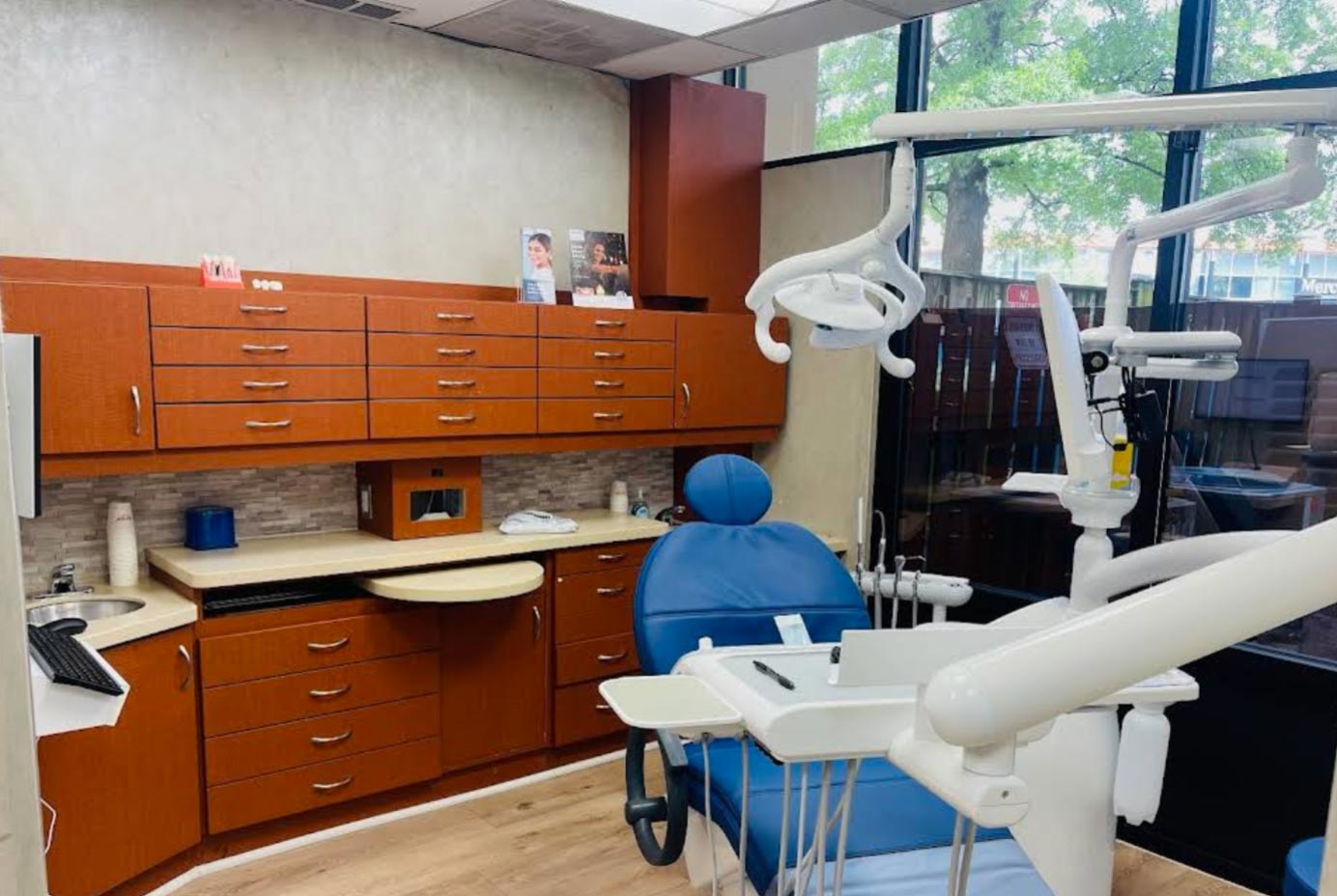
We are here to help you take the next step toward a healthier smile.
Whether you have questions about our services, insurance, or scheduling your first visit, our team is ready to assist you.
We welcome new and returning patients and are happy to help you find a time that fits your schedule. Reach out to our office today to schedule an appointment or learn more about how we can support your oral health. We look forward to welcoming you to our practice.