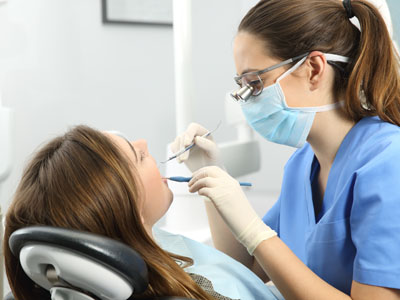
Keeping your smile healthy starts with the daily habits you practice at home, but professional cleanings are the partner your routine needs. Even the most thorough brushing and flossing can miss tight contacts, crevices, and areas below the gumline where plaque and bacteria collect. Regular visits with a skilled hygienist remove those hidden deposits, help catch early problems, and keep your mouth feeling and functioning its best.
Think of a dental cleaning as both maintenance and inspection: it restores the surfaces that brushing can’t reach and gives your dental team a chance to assess gum health, tooth wear, and other changes before they become larger issues. With methodical care and clear guidance, routine cleanings are one of the most effective ways to protect your long-term oral health.
Plaque is a soft film that continually forms on teeth; when it hardens into tartar (calculus), it becomes much harder to remove with home care alone. Tartar provides a rough surface that attracts more bacteria and can irritate the gums, leading to inflammation. Left unchecked, this process can progress from reversible gingivitis to more advanced periodontal disease, which affects the tissues that support the teeth.
By removing plaque and tartar during a professional cleaning, we reduce the bacterial load in your mouth and help the gums return to a healthy state. Regular cleanings also give the clinician the opportunity to monitor pockets of inflammation, measure gum attachment, and intervene early if signs of disease appear—helping to prevent tooth loss and more invasive treatment down the road.
Cleanings also support overall health: research shows links between oral inflammation and systemic conditions such as diabetes and cardiovascular disease. While a cleaning alone is not a cure for other health issues, maintaining good periodontal health contributes to a healthier body overall and helps you avoid complications that can arise from chronic oral inflammation.
Professional cleaning combines careful technique with specialized instruments. Hand scalers and curettes allow the hygienist to meticulously scrape deposits from tooth surfaces and beneath the gumline, while ultrasonic scalers use gentle vibrations and a water spray to dislodge and flush away tartar. These tools are used selectively and often together so treatment is both efficient and thorough.
After scaling, polishing smooths the tooth surfaces to remove surface stains and make it harder for plaque to reattach quickly. Fluoride rinses or topical applications are sometimes used afterward to strengthen enamel, particularly for patients at higher risk for decay. Throughout the procedure, clinicians monitor tissue response and adjust techniques to match each patient’s needs.
Our team prioritizes conservative care: we remove harmful deposits while preserving healthy tooth structure and protecting soft tissues. If a deeper cleaning is needed—such as for more advanced periodontal pockets—your provider will explain why and outline the next steps so you understand the plan and feel comfortable with the process.
Many people avoid cleanings because of sensitivity or dental anxiety. Our hygienists are trained to recognize and respond to both. For patients with tender gums or sensitive teeth, we use gentle scaling methods, offer desensitizing pastes, and can apply topical numbing gel when appropriate to minimize discomfort during treatment.
Communication is a key part of comfort-focused care. Clinicians invite patients to signal if they need a pause, prefer a break between areas, or want extra explanation about what’s happening. Small accommodations—like warm cups for the ultrasonic water spray, short appointment segments, or extra time to discuss home care—can make a significant difference in how manageable and positive the visit feels.
For individuals with elevated anxiety, the team develops a personalized approach that may include a longer appointment to move slowly through the cleaning, calm explanations of each step, and practical tips to stay relaxed. The goal is to make preventive care accessible and stress-free so patients stick with the schedule that protects their smiles.
A dental cleaning appointment is often paired with a focused exam to evaluate oral health comprehensively. The clinician will examine gums for signs of inflammation, check for new or recurrent cavities, assess restorations, and screen soft tissues for abnormalities. These routine checks help identify concerns early, when treatment is simpler and outcomes are better.
Radiographs (x-rays) may be updated periodically to evaluate areas between teeth and beneath restorations that are not visible with a naked eye. In addition, oral cancer screening and evaluation of bite patterns or tooth wear are routine parts of a full preventive visit. Based on findings, the team will recommend follow-up steps—whether that’s closer monitoring, additional hygiene visits, or a referral for specialized care.
Education is also a core component: clinicians will review brushing and interdental cleaning techniques, suggest tools that fit your mouth (electric brush, floss types, interdental brushes), and offer dietary guidance to reduce decay risk. This tailored advice helps patients translate a professional cleaning into better daily oral health habits.
What you do at home determines how long a cleaning’s benefits last. Brushing twice daily with a fluoride toothpaste and cleaning between teeth once a day are foundational. For many people, interdental brushes or water flossers provide more thorough plaque removal than traditional floss, especially around tight contacts or under bridges.
Dietary choices and habits also matter. Limiting frequent snacking on sugary or acidic foods reduces prolonged exposure of teeth to harmful substances, while staying hydrated and chewing sugar-free gum after meals can stimulate saliva and protect enamel. Tobacco cessation is another powerful way to maintain gum health and improve the appearance of the smile.
Finally, follow-up intervals should be individualized. While twice-yearly visits are a common baseline, patients with a history of gum disease, heavy plaque buildup, or other risk factors may need more frequent cleanings and monitoring. Your hygienist and dentist will work together to recommend a schedule that keeps your oral health stable and prevents small issues from becoming larger problems.
At Ballston Dental Center, our preventive care philosophy centers on combining careful clinical technique with patient education and comfort-minded service. Regular professional cleanings are one of the simplest, most effective steps toward maintaining a healthy mouth and a confident smile.
If you have questions about what to expect during a cleaning or want to learn how to make your daily routine more effective, please contact us for more information. We’re happy to help you plan an approach that fits your needs and supports lasting oral health.


A professional dental cleaning is a focused visit in which a licensed hygienist removes plaque and hardened tartar from tooth surfaces and just below the gumline. Clinicians use a combination of ultrasonic scalers and hand instruments to dislodge and scrape away deposits while monitoring tissue response and comfort. The process also includes an evaluation of gum health so early signs of inflammation or attachment loss can be identified and tracked.
After scaling, the hygienist polishes teeth to smooth enamel and reduce stain buildup, and may apply a topical fluoride or recommend other protective measures for patients at higher risk of decay. Education is an integral part of the visit: clinicians review brushing and interdental techniques tailored to your mouth and restorations. The overall goal is to restore clean surfaces and leave you with a clear plan for maintaining oral health between appointments.
Regular cleanings interrupt the cycle in which soft plaque mineralizes into tartar, a rough surface that harbors bacteria and irritates gum tissue. Removing these deposits reduces inflammation and helps prevent the progression of reversible gingivitis into more advanced periodontal disease that can threaten tooth support. Cleanings also allow clinicians to measure gum pockets and attachment so they can intervene early when problems appear.
Beyond protecting teeth and gums, maintaining periodontal health supports overall well-being because chronic oral inflammation is linked to conditions such as diabetes and cardiovascular disease. While a cleaning is not a medical treatment for systemic illness, it lowers bacterial load and inflammation that can contribute to broader health risks. Routine visits therefore play a preventive role both in the mouth and as part of general health maintenance.
For many patients, a cleaning every six months is a common baseline because it balances routine maintenance with early detection of developing issues. However, frequency should be individualized based on risk factors such as a history of periodontal disease, heavy plaque buildup, smoking, certain medical conditions, or rapid decay. Your hygienist and dentist will assess those risks and recommend an interval that best protects your oral health.
Some people benefit from more frequent visits, such as every three or four months, to control inflammation and prevent recurrence of disease. Conversely, low-risk patients with excellent home care and stable gums may be fine with less frequent monitoring, but any change in symptoms should prompt earlier evaluation. The key is a tailored schedule that reflects your current oral health status and long-term goals.
A routine cleaning, or prophylaxis, removes plaque and tartar from above and slightly below the gumline in patients with generally healthy periodontal tissues. A deep cleaning commonly refers to scaling and root planing, which is a more intensive procedure that cleans root surfaces and reduces bacterial biofilm within deeper periodontal pockets. Scaling and root planing is typically performed when pocket depths and attachment loss indicate active periodontal disease and often requires additional monitoring or follow-up care.
Deep cleanings are performed with careful technique to preserve tooth structure and may be done in sections over multiple visits depending on patient comfort and clinical needs. Local anesthesia or topical agents can be used to enhance comfort during more extensive debridement. After a deep cleaning, patients usually return for reassessment to confirm healing and determine whether maintenance visits should be more frequent.
Our team emphasizes a comfort-first approach that includes gentle scaling techniques, desensitizing pastes, and topical numbing when appropriate to reduce sensitivity during treatment. Clinicians communicate clearly throughout the appointment and encourage patients to request pauses, breaks, or extra explanation so the visit feels manageable. Small accommodations such as warmed ultrasonic water, short appointment segments, and a slower pace can make a significant difference for sensitive mouths.
For patients with elevated anxiety, we discuss individualized strategies including longer appointment times, relaxation techniques, and, when clinically appropriate, options like sedation dentistry. Open communication about past experiences and current concerns allows the team to tailor care and build trust. These measures help ensure preventive care is accessible and tolerable so patients maintain the schedule that protects their smiles at Ballston Dental Center.
Clinicians commonly use ultrasonic scalers that vibrate gently to break up heavy deposits while a water spray flushes debris and cools the instrument tip. Hand scalers and curettes allow precise removal of tartar from tight contacts and beneath the gumline where ultrasonic tips may be less effective. These instruments are used in combination so treatment is efficient, thorough, and adapted to each tooth's anatomy and the condition of the surrounding tissues.
Polishing with a slow-speed cup and a mild abrasive smooths enamel surfaces and reduces stain accumulation, and topical fluoride applications may follow to strengthen enamel for at-risk patients. Throughout the procedure, clinicians continuously assess soft tissue response and modify technique to minimize trauma. The emphasis is conservative care that removes harmful deposits while protecting healthy tooth structure and gums.
Yes, a preventive visit often pairs the cleaning with a focused oral exam so clinicians can evaluate gum health, check for new cavities, inspect restorations, and screen soft tissues for abnormalities. Radiographs are updated on a schedule based on individual risk and history; they help reveal decay between teeth and under restorations that is not visible during a visual exam. Oral cancer screening and assessment of bite patterns or tooth wear are also routine components of a comprehensive examination.
Based on findings from the exam and any images, the team will recommend follow-up steps which may include closer monitoring, additional hygiene visits, or referral for specialized care. Education and home-care coaching are documented so you understand what to do between appointments. This combined approach helps detect problems early and keeps treatment as conservative as possible.
Consistent home care is the foundation for preserving professional cleaning results: brush twice daily with a fluoride toothpaste and clean between teeth at least once a day. Interdental brushes or a water flosser can be especially effective for patients with tight contacts, bridges, or orthodontic appliances, while proper flossing technique remains essential for most mouths. Limiting frequent snacking on sugary or acidic foods reduces the time teeth are exposed to harmful substances and helps slow plaque buildup.
Other helpful habits include staying hydrated, chewing sugar-free gum after meals to stimulate protective saliva, and avoiding tobacco, which significantly harms gum health and the appearance of the smile. Your hygienist can recommend specific tools and techniques tailored to your oral anatomy and lifestyle to extend the benefits of a professional cleaning. Following the individualized schedule your dental team suggests ensures small issues are addressed before they become larger problems.
Dental cleanings are safe and important for children and are tailored to a child’s age, cooperation level, and oral needs. Hygienists focus on gentle plaque and stain removal, fluoride varnish or topical fluoride when indicated, and positive behavior guidance to create a comfortable experience. Early visits also allow clinicians to assess eruption patterns, spacing concerns, and habits such as thumb-sucking that can affect long-term development.
Parents should expect education about brushing technique for young children, recommendations for effective interdental cleaning as teeth come into contact, and guidance on diet and pacifier or bottle use to reduce decay risk. Preventive treatments such as dental sealants may be discussed for molars when appropriate to protect chewing surfaces. Establishing regular visits from an early age helps build a routine that supports oral health throughout childhood.
Certain symptoms suggest you should see the dental team before your next routine visit, including persistent bleeding or swollen gums, ongoing bad breath that doesn’t improve with home care, new or increased tooth sensitivity, or any pain or swelling in the mouth. Loose teeth, pus around the gums, or sudden changes in bite or chewing comfort also warrant prompt evaluation. These signs can indicate active infection or progressing periodontal disease that benefits from earlier intervention.
If you notice any of these symptoms, contact the office to arrange an assessment so the condition can be diagnosed and treated before it advances. Early attention often allows for simpler, more conservative care and reduces the risk of complications. If you are unsure whether your symptoms require an earlier visit, the team can help you decide based on a brief description of what you are experiencing.
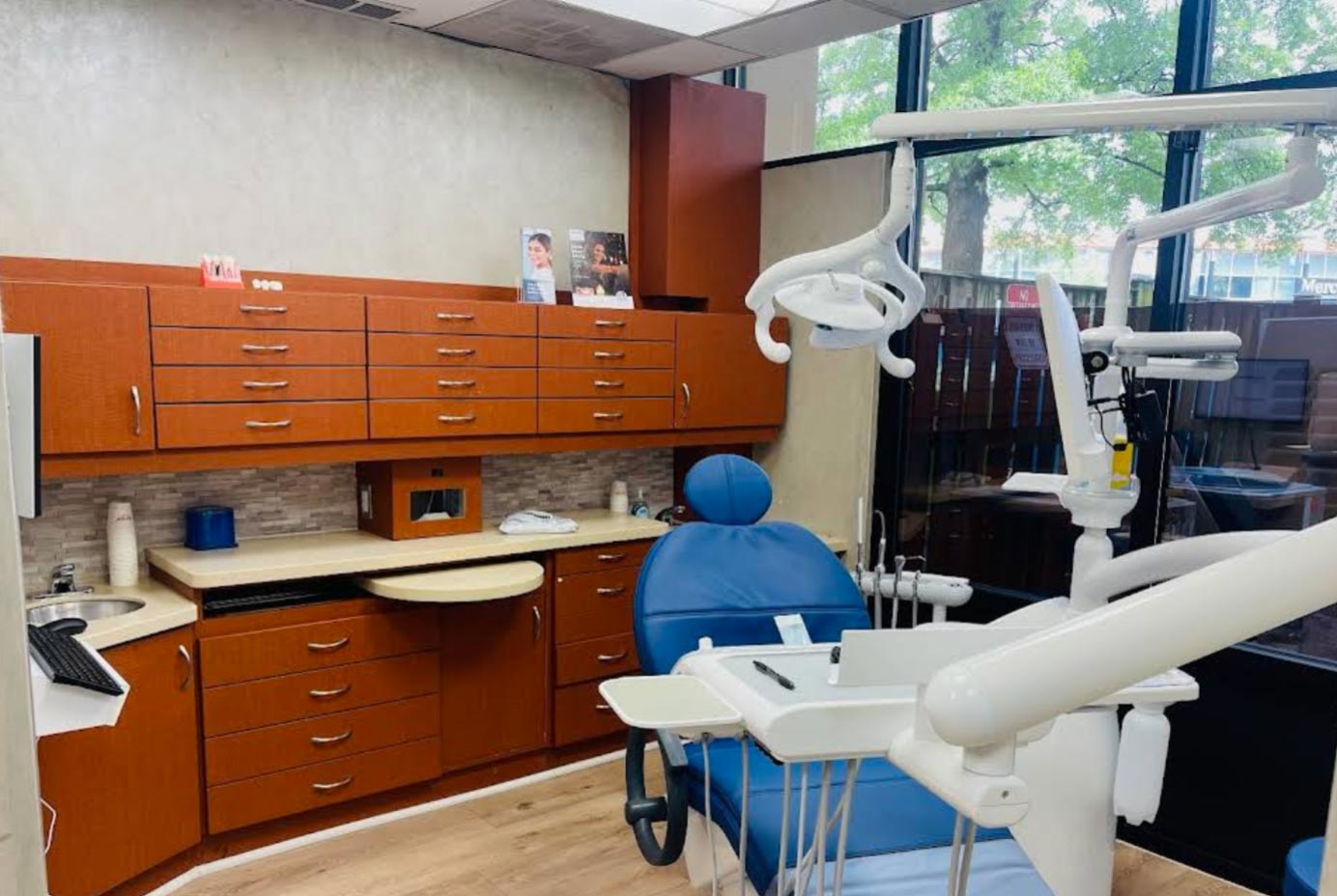
We are here to help you take the next step toward a healthier smile.
Whether you have questions about our services, insurance, or scheduling your first visit, our team is ready to assist you.
We welcome new and returning patients and are happy to help you find a time that fits your schedule. Reach out to our office today to schedule an appointment or learn more about how we can support your oral health. We look forward to welcoming you to our practice.