Your smile is more than appearance — it’s a tool you use every day to eat, speak, and connect with others. When a tooth has been weakened by decay, injury, or large restorations, a protective solution is often needed to restore both strength and natural form. Dental crowns are a reliable way to rebuild teeth so they look, feel, and function like the rest of your mouth.
At Ballston Dental Center, we focus on tailoring restorations to each patient’s needs. A crown can be a conservative way to preserve remaining tooth structure while returning the tooth to full service. Below you’ll find clear, practical information about when crowns are recommended, what materials are available, how the treatment proceeds, and how to care for a finished restoration.
Not every damaged tooth needs a crown, but certain situations make crowns the most predictable and long-lasting choice. Large cavities that remove most of the natural tooth, fractures that extend below the chewing surface, and teeth that have undergone root canal therapy are all common reasons to choose a full-coverage restoration. Crowns protect the underlying tooth and reduce the risk of future breakage.
Crowns are also frequently used to anchor fixed dental bridges, restore dental implants, or correct the appearance of a severely discolored or misshapen tooth. For people who grind or clench their teeth, crowns can provide a robust surface that resists wear better than a large filling. Your dentist will evaluate the remaining tooth structure, the bite forces in that area, and the aesthetic goals to determine whether a crown is the best path forward.
Choosing a crown is a balance between preserving healthy tooth tissue and preventing future problems. The decision is based on clinical examination, diagnostic images, and a discussion about how the tooth functions within your overall bite. When conservatively planned and executed, a crown can extend the life of a tooth by decades.
The fundamental purpose of a crown is protection. By encasing the visible portion of a tooth, a crown distributes chewing forces across the restored surface and the supporting root. This decreases the chance of additional fractures and helps the tooth continue to function normally for eating and speaking. For teeth with extensive restorations, crowns prevent recurrent damage around weak margins.
Beyond strength, crowns restore proper tooth anatomy. Accurate shaping of cusps and contact points helps maintain healthy chewing patterns and prevents food from being trapped between teeth. Properly designed crowns also support surrounding gums and adjacent teeth, which contributes to long-term oral health and stability of the bite.
When a crown is used as part of a bridge or placed over an implant, it becomes a vital structural component of a multi-tooth restoration. In these situations the crown’s role extends from protecting a single tooth to restoring overall chewing function and facial form — goals that require careful planning and precise laboratory work or digital fabrication.
Modern dentistry offers several crown materials, each with distinct benefits. All-ceramic and zirconia crowns are prized for their lifelike translucency and color-matching capabilities, making them excellent choices for front teeth and visible areas. Porcelain-fused-to-metal (PFM) crowns combine a strong metal core with a tooth-colored porcelain overlay and remain a reliable option when strength is a priority, especially for posterior teeth.
Zirconia has grown in popularity because it combines high strength with good esthetic properties. Monolithic zirconia crowns (made from a single block of zirconia) are extremely durable for patients who place heavy demands on their restorations, while layered zirconia can offer enhanced translucency when appearance matters. All-ceramic materials such as lithium disilicate provide a good balance of esthetics and durability for many cases.
Material selection depends on the tooth’s location, the amount of remaining tooth structure, bite dynamics, and the patient’s aesthetic expectations. Shade matching and surface texture are carefully managed so the crown blends with neighboring teeth. During your consultation, your dentist will review the options and recommend the material that best meets both functional and cosmetic needs.
Laboratory techniques and digital workflows also influence the final result. Many practices use digital impressions and computer-aided design and manufacturing (CAD/CAM) to produce crowns with excellent fit and consistent color. Whether crafted by a skilled dental technician or milled in-office, a well-made crown should integrate seamlessly with the rest of your smile.
Treatment begins with an evaluation that includes a visual exam, X-rays, and a discussion of goals and concerns. If a crown is recommended, the tooth is prepared by removing compromised enamel and shaping the remaining structure to create space for the restoration. The goal is to conserve as much healthy tooth as possible while creating a stable foundation for the crown.
Impressions are taken next — nowadays often with digital scanners that capture a precise 3D model of your teeth — and a provisional (temporary) crown is placed to protect the prepared tooth while the final restoration is fabricated. The provisional allows you to maintain function and appearance and provides an opportunity to assess fit and feel before the permanent crown is seated.
When the final crown is ready, your dentist will verify its fit, occlusion (bite), and shade. Minor adjustments are made chairside as necessary before the restoration is permanently cemented or bonded. A successful crown should feel comfortable immediately and require only brief follow-up checks to confirm ongoing performance.
With proper care, crowns can last many years. Daily oral hygiene — brushing twice and cleaning between teeth once daily — is essential to prevent decay at the crown margin and to protect the supporting gum tissue. Using a non-abrasive fluoride toothpaste and a soft-bristled brush helps maintain both the crown surface and natural teeth.
Because crowns are not immune to the effects of excessive force, it’s important to avoid chewing very hard objects like ice or unpopped popcorn kernels. If you grind your teeth at night, a custom nightguard can protect crowns and natural teeth from excessive wear. Regular dental visits allow your provider to monitor crown margins and surrounding tissues and to identify potential issues early.
If a crown ever feels loose, painful, or if you notice changes in bite or gum health around the restoration, call your dental office for an evaluation. Prompt attention helps preserve the crown and the underlying tooth structure. With attentive home care and professional oversight, crowns are a dependable way to maintain oral function and a confident smile.
In summary, crowns offer a versatile, durable solution for teeth that need protection, restoration, or cosmetic refinement. When planned and executed with care, a crown can preserve natural tooth structure, restore reliable function, and blend seamlessly with your smile. If you’d like to learn whether a crown is right for you or to discuss material options and the treatment process, please contact us for more information.


A dental crown is a custom-made restoration that covers the visible portion of a tooth to restore strength, shape, and function. It encases weakened or extensively restored teeth to protect them from fracture and to reestablish proper chewing surfaces. Crowns can also improve the appearance of a tooth that is misshapen or severely discolored.
Dentists use crowns when a large filling is no longer sufficient to support the tooth, after root canal therapy, or when a tooth has a significant fracture. They are fabricated to fit precisely over the prepared tooth and to contact adjacent teeth correctly for a stable bite. When planned conservatively, a crown can preserve remaining tooth structure while returning the tooth to long-term function.
Crowns are typically recommended for teeth with extensive decay, large existing restorations, or fractures that compromise structural integrity. They are also a common solution for teeth that have undergone root canal treatment and are at higher risk of breaking. When a tooth supports a fixed bridge or replaces a missing tooth with an implant, a crown becomes a necessary structural component. Patients who grind or clench their teeth may benefit from crowns that can withstand heavy forces better than large fillings.
The decision to place a crown depends on a clinical exam, X-rays, and a discussion about function and appearance. Your dentist will evaluate how much natural tooth remains, how the tooth fits in your bite, and what restorative goals you have. When less invasive alternatives are appropriate, such as an onlay or a new filling, your provider will review those options with you.
Common crown materials include all-ceramic options, zirconia, porcelain-fused-to-metal (PFM), and lithium disilicate, each offering distinct strengths. All-ceramic and lithium disilicate crowns are favored for their lifelike translucency and color-matching capabilities, making them ideal for front teeth. Zirconia provides exceptional strength and is often selected for back teeth or patients with heavy bite forces, with monolithic zirconia offering maximum durability. PFM crowns combine a metal substructure with a porcelain overlay and remain a dependable choice when both strength and moderate esthetics are required.
Material selection is based on tooth location, remaining tooth structure, bite dynamics, and the patient’s aesthetic goals. Many practices use digital impressions and CAD/CAM milling or trusted dental laboratories to achieve precise fit and consistent color. At Ballston Dental Center, our dentists will explain the tradeoffs of each material and recommend the option that best balances long-term function and appearance.
Treatment begins with a detailed evaluation that typically includes a visual exam, X-rays, and a discussion of goals and concerns. To prepare a tooth for a crown, the dentist removes compromised enamel and shapes the tooth to create an appropriate space for the restoration. Digital or conventional impressions are taken to capture the prepared tooth, and a provisional crown is placed to protect the area while the final restoration is made. A temporary crown helps you maintain function and appearance and allows the dentist to assess fit and comfort before the permanent crown is placed.
When the final crown is ready, the dentist will check fit, occlusion, and shade, making any minor adjustments chairside as needed. The restoration is then permanently cemented or bonded and the bite is re-checked to ensure comfort and proper function. Follow-up visits allow your provider to monitor the crown and surrounding tissues and make any necessary adjustments.
Crowns can last many years and often function well for decades when maintained properly. Longevity depends on the crown material, the amount of remaining tooth structure, and how the tooth is used in the bite. Regular dental exams help identify wear, margin problems, or secondary decay early so issues can be addressed before a crown fails.
Habits such as bruxism, chewing hard objects, or poor oral hygiene can shorten a crown’s lifespan by increasing wear or introducing decay at the margins. Selecting an appropriate material for the patient’s bite forces and protecting restorations with a nightguard when needed can extend service life. Promptly reporting sensitivity, looseness, or changes in the surrounding gum tissue allows your dentist to evaluate and treat problems before more extensive work is required.
Caring for a crown starts with excellent daily oral hygiene, including brushing twice a day with a nonabrasive fluoride toothpaste. Cleaning between teeth with floss or an interdental brush removes plaque and prevents decay at the crown margin. Using a soft-bristled toothbrush helps preserve both the crown surface and adjacent natural teeth. Avoiding highly abrasive toothpastes will maintain the crown’s finish and prevent unnecessary wear.
Limit chewing on very hard items such as ice or unpopped popcorn kernels and avoid using teeth as tools to reduce the risk of damage. If you grind or clench, a custom nightguard can protect crowns and natural teeth from excessive wear and fracture. Keep regular dental appointments so your provider can check crown margins and gum health and intervene early if issues arise.
Small cosmetic chips in a crown can sometimes be smoothed or repaired with composite bonding, depending on the material and location of the damage. Repairs are more straightforward on ceramic or resin-based surfaces and less predictable when the underlying material is metal. A conservative repair can restore appearance and function in many cases but may not be permanent.
If a crown becomes loose, it is important to see a dentist promptly to determine whether re-cementation or replacement is required. Looseness can be caused by cement breakdown, recurrent decay beneath the crown, or changes in the supporting tooth structure. Addressing the cause early improves the chance of preserving the underlying tooth and avoiding more extensive treatment.
Most patients experience minimal discomfort during crown preparation because the area is numb with local anesthesia while the tooth is shaped. You may feel pressure or vibration from dental instruments, but sharp pain is uncommon during the procedure. Some teeth with extensive decay or existing infection may require additional anesthesia or treatment to achieve comfort.
After the procedure, mild soreness or sensitivity for a few days is normal and can usually be managed with over-the-counter analgesics and a soft-food diet. If you have persistent pain, severe swelling, or signs of infection, contact Ballston Dental Center for an evaluation so that any complications can be addressed promptly. Your dentist will provide specific aftercare instructions to minimize discomfort and support healing.
Modern crown materials and shading techniques allow restorations to closely mimic natural tooth color, translucency, and surface texture. All-ceramic crowns and layered zirconia are particularly effective at matching adjacent teeth in highly visible areas. Shade selection, surface polishing, and proper contouring all contribute to a natural appearance.
Digital scans, photographs, and custom shade guides help the dental team reproduce the correct color and character for each crown. Minor adjustments to contour or shade can be made chairside to improve blending before final cementation. When aesthetics are a priority, your dentist will collaborate with the dental laboratory or use in-office milling to achieve a seamless result.
Crowns serve as the visible replacement tooth on top of a dental implant and are designed to attach securely to the implant abutment. In a fixed dental bridge, crowns are placed on the abutment teeth to support one or more artificial teeth that fill the gap. Both implant crowns and bridge retainers require precise planning to ensure proper fit, occlusion, and long-term stability. Materials and connection types are selected to withstand bite forces while providing a natural appearance and comfortable function.
Successful multi-tooth restorations depend on careful diagnostic imaging, accurate impressions or digital scans, and close communication with the laboratory or milling system. Regular maintenance and monitoring are important to preserve supporting structures and to detect early signs of wear or complications. When treatment is coordinated conservatively and executed precisely, crowns can restore chewing ability and facial form as part of implant-supported or bridge prosthetics.
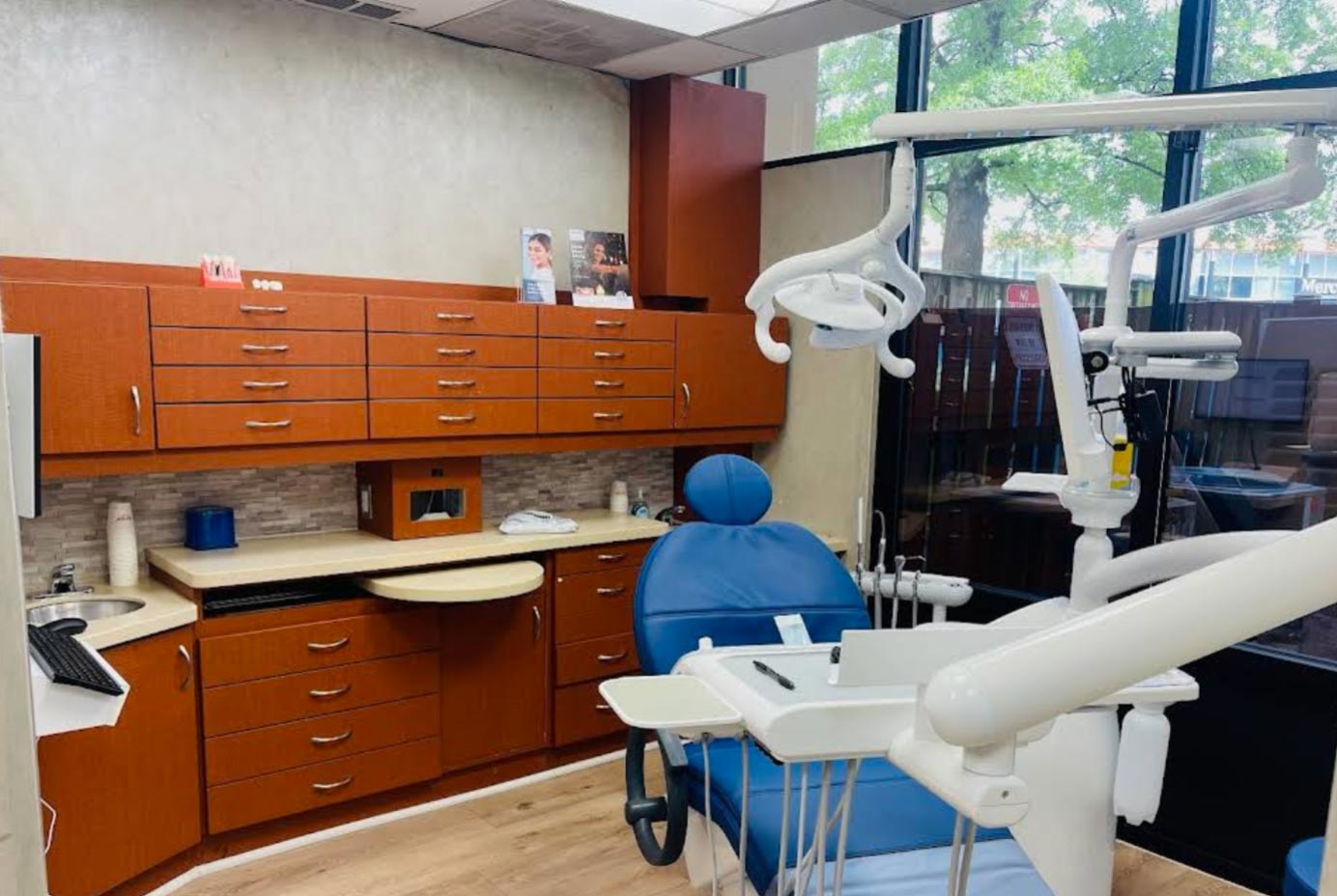
We are here to help you take the next step toward a healthier smile.
Whether you have questions about our services, insurance, or scheduling your first visit, our team is ready to assist you.
We welcome new and returning patients and are happy to help you find a time that fits your schedule. Reach out to our office today to schedule an appointment or learn more about how we can support your oral health. We look forward to welcoming you to our practice.