A confident smile changes how others see you—and how you feel about yourself. When your teeth look healthy and balanced, you’re more likely to share your smile freely, speak without hesitation, and approach social and professional moments with assurance. Cosmetic dentistry focuses on creating those subtle and not-so-subtle improvements that help a smile reflect the person behind it.
Concerns about discoloration, chips, gaps, or uneven teeth are extremely common. Advances in dental materials and techniques mean that many aesthetic problems can now be corrected predictably and conservatively. Whether you want a modest refresh or a dramatic transformation, modern cosmetic dentistry offers a range of solutions to enhance both appearance and oral health.
At Ballston Dental Center, we begin cosmetic work the way we approach any dental plan: by listening first. Cosmetic change should align with your lifestyle, facial features, and long-term oral health — not just a single photograph. That’s why treatment planning starts with a conversation about what you want to achieve and what matters most to you.
Next, we use careful examination and imaging to map out options that meet those goals while preserving healthy tooth structure whenever possible. For some patients, minimally invasive procedures like bonding or whitening will accomplish the desired result. For others, a combination of veneers, crowns, or restorative work may be the best path to both beauty and function.
A cosmetic plan is rarely one-size-fits-all. We discuss the trade-offs, expected outcomes, and maintenance considerations so you can make an informed decision. The emphasis is on creating natural-looking results that complement your face and last for years when maintained with proper oral hygiene and routine dental care.

Good cosmetic dentistry blends artistry with clinical science. Beyond simply changing color or shape, successful treatment considers bite alignment, tooth proportions, and how the smile interacts with the lips and cheeks. The goal is a result that looks effortless and performs well during everyday activities like chewing and speaking.
Contemporary materials—high-strength porcelains and advanced resin composites—allow clinicians to mimic translucency, texture, and shading found in natural teeth. When combined with digital planning tools and precise laboratory work, those materials support predictable aesthetic outcomes that are also durable.
Part of our process is helping patients set realistic expectations. We’ll show examples of the techniques we recommend, explain how each choice affects long-term health, and outline maintenance steps that help protect your investment in a beautiful smile.
Cosmetic dentistry covers a broad spectrum from subtle refinements to comprehensive smile makeovers. Some treatments are quick and reversible, while others provide more permanent structural change. The best choice depends on the specific concerns—stains, chips, spacing, shape irregularities, or missing teeth—and on the patient’s goals.
For surface discoloration or mild staining, professional whitening often delivers significant improvement with minimal intervention. Small defects and gaps can frequently be corrected with tooth-colored composite bonding that restores shape and hides imperfections without extensive tooth alteration. For changes in shape, size, or alignment, porcelain veneers provide a thin, custom shell that creates a uniform, lifelike appearance.
Each option carries advantages we’ll review together: how long results typically last, what preparation may be required, and appropriate follow-up care. Our aim is to match the procedure to your needs while preserving as much natural tooth as possible.

When teeth are damaged, worn, or missing, restorative and cosmetic dentistry overlap. Restorations should restore appearance, protect remaining tooth structure, and maintain comfortable function. Modern restorative materials allow us to rebuild teeth in a way that looks natural and resists staining and wear.
Options for replacing missing teeth range from fixed bridges and removable prosthetics to dental implants that support crowns. Implants recreate both the visible tooth and the underlying support in the jaw, offering an option that closely mirrors natural function and aesthetics. We evaluate each case to determine which solution best fits the patient’s oral health, anatomy, and cosmetic priorities.
For teeth that require full coverage due to decay, previous extensive repairs, or severe wear, ceramic crowns provide strength and the ability to match neighboring teeth in shape and color. The objective is always a result that feels comfortable, looks harmonious, and integrates with your bite.
Composite bonding is a conservative method for repairing chips, closing small gaps, and reshaping teeth. A tooth-colored resin is sculpted, shaded, and polished to blend with your natural enamel. Because bonding preserves more of the original tooth than many alternatives, it’s often an ideal first-line cosmetic choice.
Tooth-colored composite restorations restore both function and appearance after decay or minor damage. These materials bond directly to the remaining tooth structure and can be shaded to match surrounding teeth, eliminating the need for visible metal restorations and producing a seamless look.
In-office whitening and dentist-prescribed take-home systems use medical-grade whitening agents applied under professional supervision. These approaches are more controlled and often more effective than over-the-counter products, providing predictable lightening while minimizing sensitivity and ensuring safe use.
Veneers are thin porcelain shells bonded to the front of teeth to change color, shape, or size. They are a highly aesthetic choice for patients looking to correct multiple cosmetic issues simultaneously, creating a consistent and lifelike smile surface.
Full-coverage ceramic crowns restore teeth that are fractured, heavily restored, or severely discolored. Modern ceramics offer excellent strength and translucency, enabling restorations that withstand daily function while maintaining a natural appearance.

Planning a cosmetic treatment begins with a detailed consultation during which we document the current condition of your teeth, discuss your aesthetic priorities, and outline realistic outcomes. Diagnostic records may include photographs and digital scans to help visualize potential results and refine the treatment plan.
We prioritize minimally invasive options and long-term stability. That means considering how proposed changes will perform over time and how they interact with existing dental work and bite relationships. When more than one procedure is involved, sequencing matters—some steps may be staged to preserve tissue health and ensure predictable healing.
Communication is central throughout the process. We’ll review your options in plain language, explain how each procedure contributes to the final result, and describe what to expect during recovery and maintenance. Our approach aims to deliver outcomes that look natural, feel comfortable, and enhance your daily life.
Whether you want a subtle improvement or a comprehensive makeover, cosmetic dentistry can be a powerful tool for personal confidence. If you’d like to learn more about our cosmetic services or schedule a consultation, please contact us for more information.


Cosmetic dentistry offers solutions to improve the look of teeth that are stained, discolored, chipped, worn down, misshapen, a little gapped, or misaligned. It combines the art and science of dentistry to transform a less-than-perfect smile into one that looks naturally beautiful while at the same time enhancing overall facial aesthetics.
The great thing about cosmetic dentistry is that it offers multiple solutions to quickly improve the look of one’s smile. It all depends on your specific dental needs and cosmetic smile goals. While procedures such as teeth-whitening, tooth-colored fillings, and dental bonding typically provide dramatic improvements in just a single visit, others such as dental veneers only take a couple of visits.
A teeth whitening procedure as provided by our office is often the simplest, quickest, and most effective way to significantly lighten and brighten your smile.
Porcelain veneers are capable of concealing a range of imperfections, dramatically improving the look of teeth that are misshapen, have minor chips, enamel defects, or stains. They also provide an excellent solution for closing small gaps as well as addressing other minor alignment issues. While teeth whitening procedures can effectively treat many cases of dental stains or discolorations to produce cosmetically pleasing results, darker stains, as well as specific issues involving the size, shape, and alignment of the teeth, are better addressed with porcelain veneers.
How a back tooth is repaired and restored depends on the extent of the cavity or damage it has sustained. In many cases, a tooth-colored filling is often sufficient to restore the form and function of a back tooth. However, when a significant amount of tooth structure is damaged, or the tooth has had a root canal, it’s often necessary to fabricate a full coverage crown. In this way, the remaining tooth structure is protected from further damage while full function and a natural-looking smile is restored.
Whether or not a chipped or fractured tooth requires a dental crown depends on the extent of the damage. Some minor chips can be addressed with a dental bonding procedure or a veneer. When a significant amount of tooth structure is lost, rebuilding the form and function of the involved tooth may require a full coverage crown.
While conventional dental bridges and dentures offer effective and satisfying ways to rebuild a complete and attractive smile, dental implants represent the most advanced solutions for replacing missing teeth. With dental implants, our office can replace a single tooth or multiple ones to give you a smile that feels, looks, and functions like a natural one. Dental implants behave in much the same way as the root of an actual tooth, providing stable, secure, and long-lasting results of care.
How long your teeth whitening lasts depends on your lifestyle. Eating, drinking, and smoking habits can have a big impact on maintaining your result. Our office will inform you which food, beverages, or habits can stain your newly whitened smile. As needed, we’ll also help you maintain a white and vibrant smile with a periodic, safe, and effective touch-up whitening procedure.
At the office of Ballston Dental Center, we want every patient to enjoy the benefits of a beautiful and healthy smile. We strive to make dental care affordable and accessible. Improving the look of your smile is a worthwhile investment, and we always try to optimize any dental insurance benefits to cover your work. However, it’s essential to keep in mind that cosmetic dental procedures may not be covered by your plan. You can count on our office to explain every cosmetic option available to address your needs and the fees involved. To help you begin care without any additional stress or delay, we can discuss different payment options and financing plans.
Although achieving aesthetically pleasing and long-lasting results of care requires knowledge, experience, and technical proficiency, it also calls for a professional with an artistic eye and awareness of facial aesthetics. At the office of Ballston Dental Center, we successfully combine the art and science of dentistry to create smiles that are as beautiful as they are healthy. From performing professional teeth whitening procedures, fabricating custom dental veneers or crowns to rebuilding complete and beautiful smiles with dental implants and much more, we’re well equipped to transform less-than-perfect smiles into ones that look good and feel great.
Cosmetic dentistry focuses on improving the appearance of teeth, gums, and overall smile aesthetics using procedures that range from minimally invasive to comprehensive reconstructions. While appearance is the primary goal, many cosmetic procedures also restore function and protect oral health. Treatments are selected to harmonize tooth color, shape, alignment, and proportion with facial features.
Contemporary cosmetic care uses advanced materials and digital planning to create predictable, natural-looking outcomes. Clinicians consider bite relationships and long-term durability when recommending options so results are both attractive and functional. A personalized plan balances aesthetic goals with conservation of healthy tooth structure.
A good candidate for cosmetic dentistry generally has healthy gums and teeth or conditions that can be stabilized before elective cosmetic work. Comprehensive evaluation includes assessing oral health, bite alignment, and any existing restorations that may affect treatment choices. Medical history, habits such as tobacco use or grinding, and personal goals are also reviewed to determine the safest, most effective approach.
Some patients may need preparatory care—such as periodontal therapy, cavity treatment, or orthodontics—before aesthetic procedures proceed. Setting realistic expectations about outcomes and longevity is an important part of the candidacy conversation. A consultation with diagnostic imaging helps create a tailored plan and timeline.
Common cosmetic treatments include professional teeth whitening, composite bonding, porcelain veneers, ceramic crowns, and orthodontic options like clear aligners. Restorative solutions such as implant crowns and bridges also contribute to cosmetic results when replacing missing teeth. Each option addresses different concerns—stains, chips, gaps, shape irregularities, or tooth loss—and may be used alone or combined.
Some procedures are reversible or minimally invasive, while others require more extensive preparation to change tooth structure. The choice of treatment depends on the desired degree of change, oral health, and the need to preserve natural tooth material. A dentist will explain the expected sequence of care and maintenance required for each alternative.
Porcelain veneers are thin, custom-made shells bonded to the front surface of teeth to alter color, shape, or size for a uniform appearance. They are often recommended when multiple cosmetic concerns coexist and when more conservative options cannot achieve the desired result. Veneer preparation typically involves modest enamel reduction to ensure proper fit and longevity.
Veneers can provide very natural aesthetics because laboratory ceramics mimic tooth translucency and texture. Long-term success depends on good oral hygiene, avoidance of excessive forces, and regular dental follow-up. Your dentist can review alternatives such as bonding or crowns and help you decide which option best aligns with your goals.
Professional teeth whitening uses regulated-strength bleaching agents applied under dental supervision to lighten tooth color more predictably than over-the-counter products. In-office systems and custom take-home trays delivered by a dentist allow control over concentration and application time, which improves safety and results. A dentist evaluates existing restorations and the source of discoloration to determine whether whitening is appropriate.
Some patients experience transient sensitivity that can be managed with desensitizing agents and tailored protocols. Whitening does not change the color of porcelain or composite restorations, so replacement or alternative cosmetic procedures may be recommended to match a lighter shade. Maintenance varies by habits and diet, and periodic touch-ups can help sustain results.
Composite bonding involves sculpting tooth-colored resin directly onto teeth to repair chips, close small gaps, and reshape worn or uneven surfaces. The material is shaded and polished to blend with surrounding enamel, offering an immediate cosmetic improvement in a single visit in many cases. Because bonding preserves more natural tooth structure than some alternatives, it is often a conservative first-line choice.
Bonded restorations are durable but may stain or chip over time and occasionally require repair or replacement. Good oral hygiene and avoidance of damaging habits can extend the life of bonded areas. Your dentist will discuss expected longevity and whether a more permanent option like veneers or crowns is preferable for your situation.
Dental implants restore missing teeth by replacing the tooth root with a titanium implant that supports a crown, bridge, or denture for both function and aesthetics. Because implants preserve jawbone and provide stable support, they can produce very natural-looking and functional results compared with removable options. Implant-supported restorations are designed to match the color, shape, and proportion of adjacent teeth for a seamless appearance.
Successful implant treatment depends on careful planning, including evaluation of bone quantity and quality, bite forces, and overall oral health. When implants are part of a cosmetic plan, digital imaging and prosthetic design help ensure the final restoration harmonizes with the smile. A multidisciplinary approach may be used when simultaneous periodontal, orthodontic, or restorative procedures are necessary.
Achieving a natural-looking result begins with proportion, color matching, and attention to how the teeth relate to the lips and face. Clinicians use shade selection, texture replication, and individualized shaping to avoid an overly uniform or artificial appearance. Digital mockups and photographic analysis allow patients to preview expected outcomes and contribute feedback before irreversible steps are taken.
Material selection matters: high-quality ceramics and advanced composites better mimic enamel translucency and wear characteristics. Skilled laboratory work and precise communication between clinician and technician are essential to translate planning into predictable cosmetic results. Conservative sequencing and staged treatments help refine aesthetics while maintaining oral health.
During a cosmetic dentistry consultation, the dentist reviews your medical and dental history, examines your teeth and gums, and assesses bite relationships to establish suitability for elective treatment. Diagnostic records may include intraoral photographs, digital scans, and X-rays to document current conditions and support treatment planning. Open discussion about your aesthetic goals, daily habits, and timeline helps the clinician tailor options that fit your lifestyle.
Based on the examination, the dentist will outline recommended procedures, sequencing, and realistic outcomes so you can make an informed decision. Questions about maintenance, expected longevity of selected treatments, and any preparatory care are addressed during the visit. At Ballston Dental Center, we emphasize clear communication and individualized planning to ensure cosmetic changes align with each patient's needs.
Maintaining cosmetic dental work starts with consistent oral hygiene: brushing twice daily, daily flossing, and routine professional cleanings to protect both natural teeth and restorations. Limiting staining foods and tobacco and wearing a night guard if you grind can help preserve appearance and prevent damage. Regular dental exams allow early detection of wear or minor defects so repairs can be performed before larger problems develop.
Specific follow-up varies by treatment—whitening may require periodic touch-ups, bonded areas benefit from occasional polish, and veneers or crowns should be monitored for fit and marginal integrity. If restorative maintenance or occlusal adjustments are needed, timely care helps extend the lifespan of cosmetic work. Patients in the Arlington, VA area can schedule routine visits to monitor and maintain their smile's health and aesthetics.
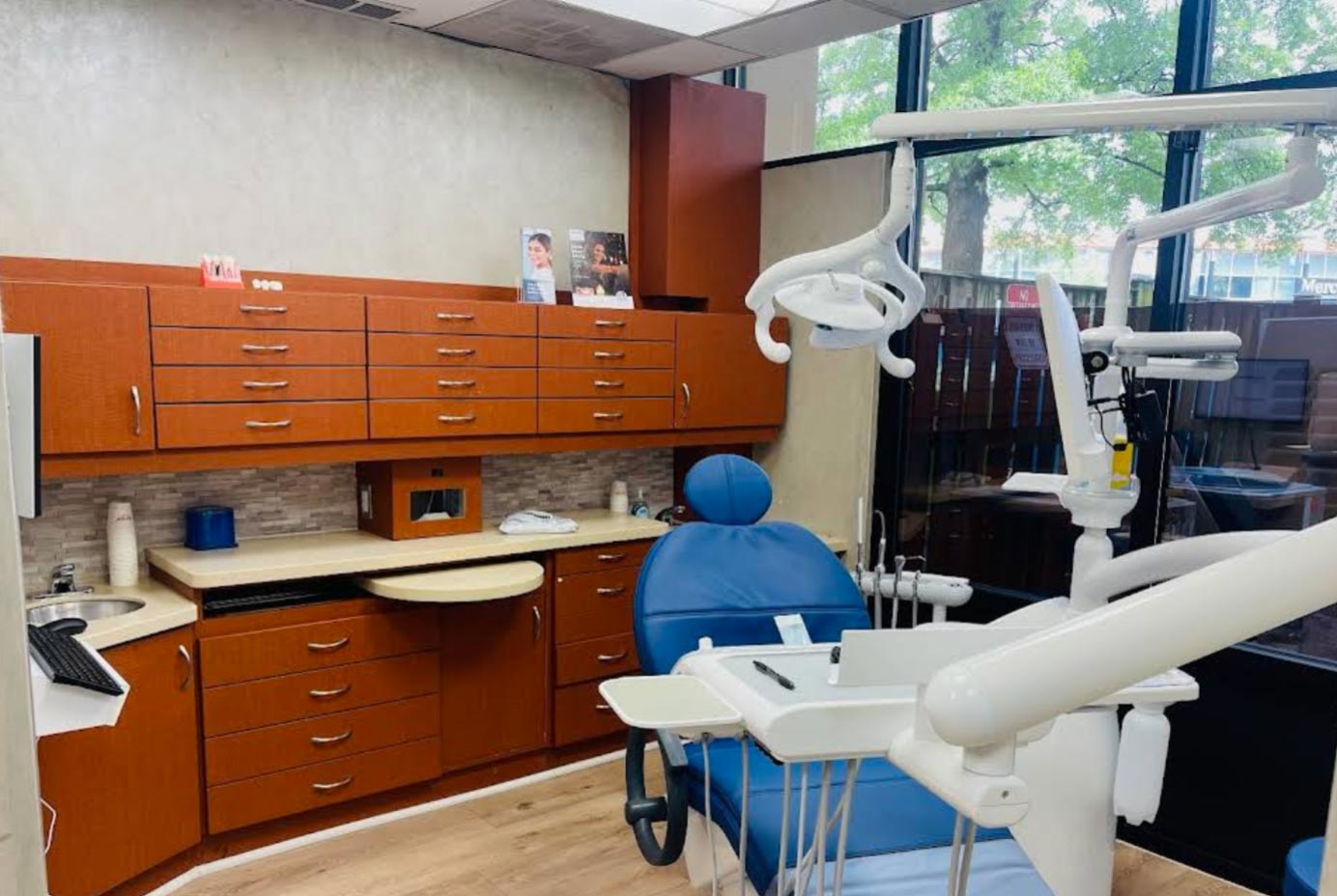
We are here to help you take the next step toward a healthier smile.
Whether you have questions about our services, insurance, or scheduling your first visit, our team is ready to assist you.
We welcome new and returning patients and are happy to help you find a time that fits your schedule. Reach out to our office today to schedule an appointment or learn more about how we can support your oral health. We look forward to welcoming you to our practice.