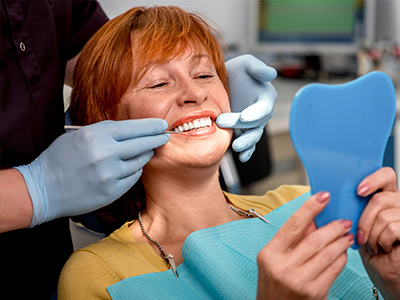
All-on-6® is a full-arch restoration technique that secures a complete set of replacement teeth to six dental implants placed along the jaw. Instead of relying on removable dentures, this method creates a fixed prosthesis that feels and functions much closer to natural teeth. The prosthesis is anchored to titanium implants that fuse with the jawbone, providing the stability patients need to speak, eat, and smile without the common frustrations of traditional removable appliances.
Because the prosthesis is permanently attached, upkeep looks and feels similar to caring for natural teeth—daily brushing, interdental cleaning, and regular dental checkups remain essential. The All-on-6® approach is designed for people who want a long-term solution for significant tooth loss or failing dentition, and it can be especially valuable for those seeking the confidence that comes from a secure, nonremovable restoration.
Unlike some older restorative options, All-on-6® emphasizes predictable biomechanics and even load distribution across multiple implants. Using six implants per arch increases redundancy and support, allowing the restoration to withstand normal chewing forces more comfortably. This foundation makes it possible to restore both function and esthetics while minimizing many of the daily compromises that come with removable dentures.
One of the primary clinical advantages of All-on-6® is the improved stability it offers over traditional prosthetics. Because the replacement arch is rigidly attached to multiple implants, it resists movement during chewing and speaking. This not only enhances comfort but also reduces the friction and tissue irritation commonly associated with dentures, which can lead to sore spots and difficulty eating certain foods.
Implants placed during an All-on-6® treatment help stimulate and preserve the underlying bone. When teeth are missing, the jawbone can resorb over time; implant placement counteracts that process by transferring normal chewing forces to bone, which helps maintain facial structure and oral health. The strategic positioning of six implants often enables clinicians to use existing anatomy more effectively, and in many cases it reduces—but does not entirely eliminate—the need for grafting procedures.
Functionally, patients can expect a meaningful improvement in bite force and chewing efficiency compared with removable dentures. The strength and distribution of support provided by six implants allow for a more natural range of foods and clearer speech. The result is a substantial quality-of-life change for many people who have struggled with loose or uncomfortable prostheses.
Treatment begins with a comprehensive evaluation centered on imaging and individualized planning. Cone-beam CT scans and clinical assessments let the dental team map bone volume, nerve locations, and ideal implant positions. This planning phase is essential for predictable outcomes; it guides implant angulation, prosthesis design, and whether immediate provisional teeth are feasible on the day of surgery.
The surgical appointment typically involves placing six implants into the jaw under local anesthesia—with sedation options available for patient comfort. In many cases a temporary prosthesis can be attached the same day or within a short time frame, allowing patients to leave the office with functional teeth. Over the following months, the implants integrate with the bone. Once healing and integration are confirmed, a custom-fitted, definitive restoration is fabricated and affixed for long-term performance.
Throughout treatment the focus is on minimizing discomfort and maintaining oral health. Postoperative instructions, periodic checkups, and clear communication about what to expect at each stage are all part of creating a smooth patient experience. A well-coordinated plan improves healing and helps ensure the final restoration meets both functional and esthetic goals.
All-on-6® restorations are designed for longevity, but success depends on consistent maintenance and regular professional oversight. Daily oral hygiene—brushing twice a day and cleaning between the prosthesis and gumline—is crucial for preventing plaque buildup around implants. Special aids like interdental brushes or water irrigators are often recommended to keep hard-to-reach areas clean and to reduce the risk of inflammation around implant-supported restorations.
Routine dental visits allow the clinical team to monitor the health of peri-implant tissues, assess bite relationships, and make any adjustments needed to protect the restoration. Radiographic exams at appropriate intervals help confirm stable bone levels around implants. When problems are identified early—such as loose screws, wear on prosthetic teeth, or signs of inflammation—timely intervention preserves both oral health and the longevity of the restoration.
Patients should also be aware of lifestyle factors that influence implant health. Tobacco use, poorly controlled systemic conditions, and certain medications can affect healing and long-term outcomes. Working closely with your dental team to manage these factors helps maintain predictable results and supports the lasting benefits of an All-on-6® solution.
All-on-6® is often a suitable option for people who have lost most or all of the teeth in an arch, or for those whose remaining teeth are no longer serviceable. A candidacy evaluation considers bone volume and quality, overall health, oral hygiene capability, and realistic expectations for maintenance and follow-up care. Many patients who thought only removable dentures were possible discover that implant-based full-arch restorations are within reach after a careful assessment.
While this technique can reduce the need for extensive bone grafting, it does not guarantee grafting will never be necessary. The dental team will evaluate jaw anatomy and explain whether adjunctive procedures are recommended to achieve a stable, long-lasting outcome. Medical history, medications, and lifestyle factors are also discussed to ensure the chosen approach supports safe healing and durable function.
At Ballston Dental Center, we tailor the plan to each person’s anatomy and goals, using modern imaging and restorative design to create an individualized pathway from consultation to completion. Clear communication about expectations, timelines, and maintenance empowers patients to make informed decisions about whether All-on-6® is the right solution for them.
All-on-6® offers a reliable, permanent alternative to removable dentures for many people facing advanced tooth loss. By combining careful planning, precise implant placement, and ongoing maintenance, this approach can restore comfort, function, and confidence. If you would like to learn more about whether All-on-6® could be appropriate for your situation, please contact us for additional information and to schedule a consultation.


All-on-6® is a full-arch tooth replacement approach that secures a complete prosthetic arch to six dental implants placed along the jaw. The permanent prosthesis is attached to titanium implants that integrate with bone, creating a stable foundation that mimics the function of natural teeth. Because the arch is fixed, patients avoid the slipping and adhesives associated with removable dentures and can expect improved comfort and confidence.
The technique emphasizes even load distribution across multiple implants to enhance biomechanics and long-term durability. Planning typically uses 3D imaging to determine optimal implant positions and prosthesis design. Daily oral hygiene and routine dental checkups remain essential to preserve both implant health and the restoration.
Good candidates are often people who have lost most or all teeth in an arch or whose remaining teeth are failing and not salvageable. Evaluation includes an assessment of bone volume and quality, medical history, oral hygiene capability, and realistic expectations about maintenance and follow-up care. Certain systemic conditions and medications are considered during planning because they can affect healing and outcomes.
A cone-beam CT scan and clinical examination help determine whether six implants can be placed predictably or whether adjunctive procedures such as bone grafting are advisable. The dental team will discuss alternatives and tailor a plan based on each patient’s anatomy and functional goals. Commitment to ongoing care and regular monitoring is an important part of candidacy.
Compared with removable dentures, All-on-6® provides a fixed, stable arch that resists movement during chewing and speaking, reducing sore spots and improving function. Unlike dentures, the restoration transfers chewing forces to implants and bone, which helps preserve jawbone and facial structure over time. Patients typically report a more natural feel and improved ability to eat a broader range of foods.
Relative to All-on-4®, using six implants increases redundancy and load distribution, which can improve long-term support and resistance to mechanical stress. The choice between four or six implants depends on bone anatomy, occlusal forces, esthetic goals, and the clinical judgment of the restorative team. Both approaches rely on careful planning and implant integration, but All-on-6® can offer added stability in appropriately selected cases.
Treatment begins with a comprehensive consultation that includes medical history review, clinical examination, and 3D imaging such as cone-beam CT to map bone volume and nerve locations. Planning defines implant positions, prosthesis design, and whether immediate provisional teeth are feasible on the day of surgery. Surgery usually involves placing six implants under local anesthesia, with sedation options available for patient comfort.
When immediate provisional teeth are provided, patients often leave the office with functional temporary teeth while implants integrate over the following months. After osseointegration is confirmed, the definitive custom prosthesis is fabricated and affixed for long-term service. Regular follow-up visits during healing and after final restoration ensure proper function and allow the team to make any necessary adjustments.
Surgery for All-on-6® is typically performed under local anesthesia, and many patients choose oral or IV sedation for additional comfort. Expect some swelling, minor discomfort, and bruising in the first few days that can be managed with prescribed or over-the-counter medications and cold compresses. A soft diet is usually recommended during initial healing to reduce stress on the implants and the temporary prosthesis.
Patients receive detailed postoperative instructions for oral hygiene, activity restrictions, and signs of potential complications to watch for. Follow-up appointments are scheduled to monitor healing, and the clinical team will make any adjustments to the provisional prosthesis as needed. Most people find that discomfort diminishes substantially within a week or two, while full integration takes several months.
Long-term care for an All-on-6® restoration combines diligent daily hygiene with routine professional maintenance. Brushing twice a day, cleaning under and around the prosthesis with interdental brushes or a water irrigator, and using recommended antimicrobial rinses help control plaque and reduce the risk of peri-implant inflammation. Regular dental visits allow the team to evaluate tissue health, check for signs of wear, and tighten or service prosthetic components as needed.
Periodic radiographic exams monitor bone levels around implants and help detect problems early. Lifestyle factors such as tobacco use and poorly controlled systemic conditions can negatively affect implant health, so patients are advised to address these issues with their medical and dental providers. Consistent care and timely professional attention are key to preserving function and extending the life of the restoration.
As with any surgical procedure, All-on-6® carries risks including infection, implant failure, nerve irritation, and sinus concerns in the upper jaw. Prosthetic complications such as loose screws, wear of artificial teeth, or fracture of components can also occur over time. Peri-implantitis, an inflammatory condition affecting the tissues around implants, is a recognized risk that requires early detection and management.
Thorough preoperative planning, precise surgical technique, and strict postoperative hygiene reduce the likelihood of complications. Patients with certain medical conditions or those who use tobacco may face higher risk and should discuss these factors with their dental team. When complications do arise, timely intervention by your clinician improves the chances of a favorable outcome.
Adequate bone volume and quality are important for predictable placement of six implants, and a cone-beam CT scan helps clinicians evaluate the anatomy before surgery. In many cases strategic implant positioning allows clinicians to use existing bone effectively and may reduce the need for extensive grafting. However, some patients will require grafting or sinus augmentation to create a stable foundation for implants.
The treatment team will explain when grafting is recommended and how it affects the overall timeline for restoration. Factors such as long-standing tooth loss, prior infections, or systemic bone conditions influence the need for adjunctive procedures. A personalized treatment plan outlines any required preparatory work and the expected sequence of care.
Most patients experience a substantial improvement in chewing efficiency and speech clarity compared with removable dentures because the fixed prosthesis resists movement and restores bite force. In the early weeks after surgery and with a provisional prosthesis, patients may need to follow a soft diet and gradually reintroduce firmer foods as healing progresses. Speech adjustments are common during the initial adaptation period as the tongue and lips acclimate to the new arch.
Careful prosthetic design and occlusal adjustments help optimize function and comfort, and follow-up visits address any concerns with chewing, bite alignment, or phonetics. Over time, many people regain near-normal eating and speaking ability and report greater confidence with a stable, implant-supported restoration. Ongoing maintenance ensures the restoration continues to function well for years to come.
A consultation begins with a review of your medical and dental history, a clinical exam, and diagnostic imaging to assess anatomy and treatment options. During the visit the dental team will discuss candidacy criteria, the recommended sequence of care, expected timelines, and any adjunctive procedures that may be necessary based on your individual needs. This meeting is an opportunity to ask detailed questions about healing, long-term maintenance, and what to expect at each stage.
To schedule a consultation, contact Ballston Dental Center at New Patients: (703) 436-1512 or Existing Patients: (703) 512-0118, or visit our office at 4141 N Henderson Rd, Suite 18, Arlington, VA 22203. Our team will coordinate imaging and an individualized plan so you can make an informed decision about whether All-on-6® is the appropriate solution for your situation.
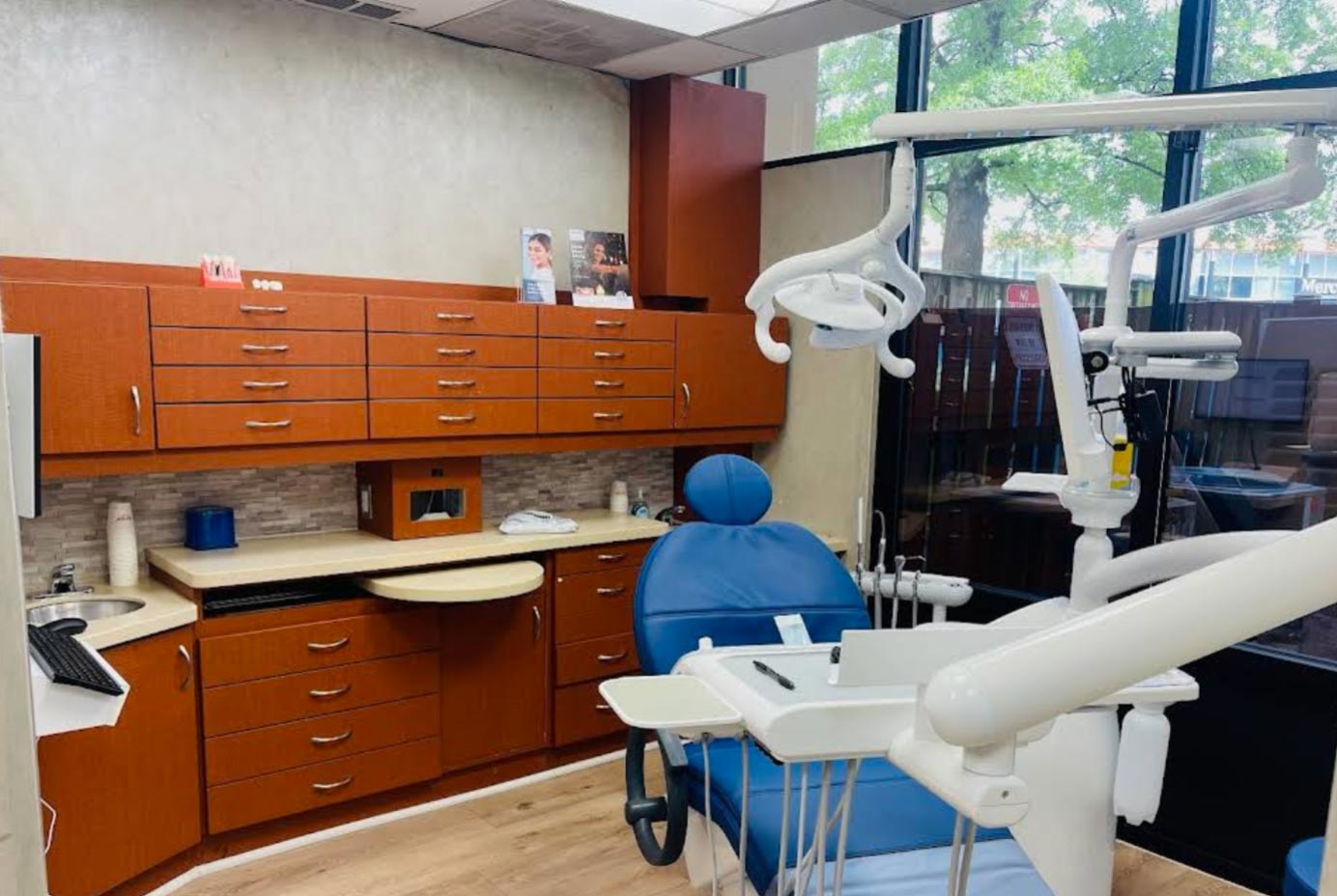
We are here to help you take the next step toward a healthier smile.
Whether you have questions about our services, insurance, or scheduling your first visit, our team is ready to assist you.
We welcome new and returning patients and are happy to help you find a time that fits your schedule. Reach out to our office today to schedule an appointment or learn more about how we can support your oral health. We look forward to welcoming you to our practice.