For patients facing the loss of most or all teeth, All-on-4® offers a predictable path back to a functional, natural-looking smile without months of waiting. The approach replaces a full arch using just four implants strategically placed to support a fixed prosthesis, allowing many patients to leave the office with stable provisional teeth on the same day as surgery. That immediate transformation can make a profound difference in confidence and daily comfort.
All-on-4® is designed for people who want to avoid removable dentures or who need a faster, less invasive alternative to placing an implant for every missing tooth. Because the technique uses tilted posterior implants in many cases, it often avoids the need for bone grafting and shortens treatment time while preserving long-term stability. The result is a full-arch solution that looks, feels, and functions much like natural teeth.
Patients considering this option benefit from a team-based process that combines careful planning, digital imaging, and prosthetic expertise. During your initial consultation, clinicians evaluate oral health, bite relationships, and jawbone condition to determine whether an immediate full-arch restoration is appropriate. The goal is a treatment plan that balances esthetics, function, and predictable healing.
Successful full-arch rehabilitation starts long before surgery. Modern planning tools such as CBCT (cone beam computed tomography) and digital impressions allow clinicians to map bone anatomy, avoid vital structures, and select optimal implant positions. This detailed planning makes it possible to place implants precisely and design a provisional prosthesis that will be comfortable and functional right away.
During the procedure, four implants are placed to provide a stable foundation for a fixed bridge. In many cases the posterior implants are angled to engage denser bone and maximize support; anterior implants are placed more vertically to support frontal esthetics. Once implants are placed, an interim prosthesis is attached so the arch is supported immediately while soft tissues and bone begin to heal.
Proper prosthetic design is essential: the provisional restoration maintains occlusion, supports facial contours, and allows patients to eat and speak more naturally during the healing period. After osseointegration — the biological process by which bone bonds to the implants — the provisional is then replaced with a definitive prosthesis crafted from durable, esthetic materials for long-term service.
Restoring a full arch with implants does far more than improve appearance. Fixed implant-supported restorations restore biting forces closer to natural teeth, making it easier to enjoy a varied diet and maintain proper nutrition. Improved chewing function also reduces the strain on remaining teeth, jaw joints, and facial muscles, contributing to overall oral comfort.
Implants help preserve jawbone by transmitting functional forces into the bone, which supports bone health and facial structure. In contrast, traditional removable dentures can accelerate bone resorption over time because they do not stimulate the bone in the same way. Maintaining bone volume helps sustain long-term facial esthetics and the fit of future restorations.
Maintenance for an implant-supported arch focuses on daily hygiene and regular professional checkups. With routine care, fixed full-arch restorations can offer years of reliable function. Our team guides patients through home-care techniques and establishes a monitoring schedule to address wear, hygiene, and prosthetic fit as part of ongoing preventive care.
The journey begins with a comprehensive evaluation that includes medical and dental history, a clinical exam, and diagnostic imaging. Clear communication about expectations, potential risks, and the sequence of care helps patients make informed decisions. In many cases, a detailed treatment plan is presented that outlines the steps from tooth removal (if needed) through delivery of the final restoration.
On the day of surgery, patients receive local anesthesia and, when appropriate, sedation options to ensure comfort. The surgical appointment may include extractions, implant placement, and attachment of the provisional prosthesis — all coordinated to minimize the number of visits. Experienced surgical and restorative teams work closely to align implant positions with prosthetic design so the immediate restoration functions well from day one.
Afterward, short-term healing involves managing swelling, discomfort, and diet adjustments to support recovery. Patients typically follow a soft-food regimen initially and gradually transition back to firmer foods as healing allows. Follow-up visits monitor osseointegration and prosthetic function; once integration is confirmed, the provisional is replaced with a definitive, custom-designed prosthesis optimized for comfort, esthetics, and durability.
At Ballston Dental Center, we combine clinical experience with modern imaging and prosthetic workflows to deliver full-arch solutions that prioritize predictable outcomes and patient comfort. Our team emphasizes clear communication and step-by-step planning so patients understand each phase of care and what to expect at every visit.
Careful coordination between surgical and restorative specialists helps ensure that implant placement supports a well-fitting, natural-looking arch. We rely on evidence-based protocols and digital planning tools to reduce surprises and maximize the likelihood of a successful long-term result. Personalized follow-up and maintenance plans keep restorations performing well for years to come.
Choosing the right provider matters for complex full-arch treatment. Our practice focuses on patient-centered care, combining technical expertise with an approachable, respectful treatment environment so patients can move forward with confidence and clarity.
To learn more about whether All-on-4® could be the right full-arch solution for you, contact Ballston Dental Center for more information. Our team is available to discuss the treatment process and help you take the next step toward a stable, functional smile.
1All-on-4® is a registered trademark of Nobel Biocare


The All-on-4 treatment concept offers an implant-based solution to patients who have lost all of their upper and/or lower teeth. This remarkable method of care helps patients quickly rebuild complete and beautiful smiles. With All-on-4, your new, and complete set of implant-supported replacement teeth feel secure, stable, and much like your very own.
If you currently wear complete upper and/or lower dentures or are slated to have your remaining teeth extracted, you may be a candidate for All-on-4. First Performed by Dr. Paulo Malo in 1998, the All-on-4 treatment concept has helped hundreds of thousands of patients quickly reestablish attractive smiles that look, feel, and function just like a set of natural teeth!
The All-on-4 treatment concept offers a fixed and permanent alternative to removable dentures. Unlike dentures, All-on-4 does not rely on messy dental adhesives or natural suction to hold your new set of teeth in place. With All-on-4, your replacement teeth are permanently secured by dental implants, giving you a smile that looks not only great but also feels secure and stable. You'll feel comfortable and confident as you speak, smile, and chew with ease.
While traditional full arch implants also achieve outstanding results of care, the All-On-4 treatment concept does not involve bone grafting and requires fewer implants to support a full set of teeth. With just four strategically placed dental implants needed to support an entire set of upper or lower teeth, the All-on-4 treatment concept offers a cost-effective and satisfying solution for rebuilding a complete smile. Thanks to this remarkable method of care, patients can experience the satisfaction of having teeth placed the same day as surgery. This key feature allows patients to smile and function with confidence until healing is complete and the permanent restorations installed.
Once it's been determined that you're a candidate for treatment with All-on-4, the process of treatment planning and designing your new smile begins. 3D diagnostic records provide the detailed information required to determine the exact positions of the four supporting dental implants. Then, on the day of surgery, we'll remove any remaining teeth, place the 4 implants, and insert a set of attractive, sturdy, and functional set of temporary teeth. With All-on-4, temporary teeth can be placed right away with a customized, permanent set to follow once the implants become fully integrated with the surrounding bone.
With All-on-4, temporary teeth can be placed right away with a customized, permanent set to follow within just a few months after the implants become fully integrated with the surrounding bone.
Thanks to All-on-4, patients enjoy permanent teeth that look, feel, and function just like real teeth. And with a patient satisfaction rate that exceeds 95%, the All-on-4 treatment concept restores your smile, your confidence, and allows you to enjoy once again the foods you love!
Maintaining your All-on-4 smile requires the same care as a natural smile. By cleaning your teeth twice daily, after meals as possible, and scheduling appointments for routine checkups as well as care, you can keep your new smile strong and healthy for years to come. Our office will demonstrate the most effective methods of oral hygiene and answer all your questions as to how to care for your new smile.
All-on-4® is a full-arch tooth-replacement method that uses four dental implants to support a fixed prosthesis, restoring an entire upper or lower arch with a stable, nonremovable bridge. The system is designed so many patients can receive a provisional set of teeth on the same day as implant placement, allowing immediate improvement in function and appearance. Unlike removable dentures, an All-on-4® restoration is secured to implants and does not rely on adhesives or suction to stay in place.
The fixed nature of the prosthesis improves chewing efficiency, speech, and comfort because it closely mimics natural teeth in form and function. Implant-supported arches transmit functional forces into the jawbone, which helps preserve bone volume and facial contours over time. For patients seeking a long-term, fixed solution rather than a removable appliance, All-on-4® offers a predictable alternative to traditional dentures.
Good candidates for All-on-4® typically include people who are missing most or all teeth in one arch or who have teeth that cannot be predictably restored and are better removed. Candidates should be in generally good health, able to undergo minor oral surgery, and committed to maintaining oral hygiene and follow-up care. A history of uncontrolled systemic disease or heavy tobacco use can affect candidacy and healing, so these factors are evaluated during consultation.
Bone volume and quality are assessed with digital imaging to determine whether the All-on-4® approach is appropriate, and the technique’s use of tilted posterior implants often reduces the need for grafting. If All-on-4® is not the best option, clinicians can recommend alternative implant strategies or staged treatments tailored to the patient’s anatomy and goals. A comprehensive exam and CBCT scan are necessary to confirm candidacy and develop a personalized plan.
Treatment planning for All-on-4® relies on advanced imaging such as cone beam computed tomography (CBCT) and digital impressions to map the jawbone, locate vital structures, and determine optimal implant positions. These tools enable precise virtual planning of implant angulation and prosthetic design, which helps create an interim prosthesis that will fit the day of surgery. Surgical guides or CAD/CAM templates are frequently produced from this planning to translate the virtual plan into accurate implant placement.
Planning also involves collaboration between surgical and prosthetic team members to align esthetic goals, occlusion, and long-term function. Simulations allow clinicians to evaluate tooth position, lip support, and facial contours before treatment begins, improving predictability and reducing intraoperative surprises. At Ballston Dental Center we integrate digital workflows to ensure the surgical plan supports a well-fitting provisional and a durable final restoration.
On the day of surgery patients receive local anesthesia and, if desired, sedation options to ensure comfort during the procedure. The appointment may include tooth extractions if needed, placement of the four implants, and attachment of a provisional fixed prosthesis so the arch is supported immediately. Because the provisional is secured to the implants, many patients leave with functional, esthetic teeth the same day as surgery.
The provisional restoration is designed to protect the implants and maintain proper occlusion while the bone integrates with the implants over the following months. Patients are given specific post-operative instructions including a soft-food diet, oral hygiene guidance, and follow-up visits to monitor healing. Once osseointegration is confirmed, the provisional is replaced with a definitive prosthesis fabricated from materials intended for long-term durability and esthetics.
An All-on-4® restoration restores biting forces much closer to natural teeth, allowing patients to enjoy a wider variety of foods and improve nutrition. The fixed prosthesis enhances speech and facial support, reducing the movement and slippage associated with removable dentures. Esthetically, the prosthesis can be designed to restore natural tooth proportions and lip support for a balanced facial appearance.
Because implants transmit functional forces into the jawbone, they help maintain bone volume and facial contours that otherwise might decline with removable dentures. Improved function also reduces stress on any remaining natural teeth and on the temporomandibular joints. Overall, patients frequently experience enhanced daily comfort, confidence, and ease of oral function with an implant-supported full-arch solution.
One advantage of the All-on-4® concept is that it often avoids the need for extensive bone grafting by using angled posterior implants to engage denser bone. This approach can make full-arch implant treatment possible for patients who would otherwise require lengthy grafting procedures. CBCT imaging is used during planning to assess bone availability and determine whether grafting or alternative strategies are necessary.
In some cases, localized grafting or ridge augmentation may still be recommended to optimize implant placement or soft-tissue support, particularly when bone loss is severe. The decision is individualized based on anatomy, esthetic goals, and long-term prognosis, and the treatment plan will outline any staged procedures that improve predictable outcomes.
Daily home care for an All-on-4® restoration includes thorough brushing of the prosthesis and the gumline, use of interdental brushes or floss designed for implant bridges, and, when recommended, a water flosser to remove plaque beneath the prosthesis. Consistent hygiene is essential to prevent peri-implant inflammation and to preserve the health of supporting tissues and bone. Patients are instructed on specific techniques for cleaning fixed full-arch restorations to address areas that differ from natural teeth.
Regular professional checkups and cleanings are also important to monitor tissue health, prosthetic fit, and occlusion. Your dental team will establish a maintenance schedule to assess wear, perform hygiene care, and make minor prosthetic adjustments if needed. With appropriate daily care and periodic professional monitoring, implant-supported arches can provide reliable function for many years.
Common short-term effects after surgery include swelling, bruising, mild to moderate discomfort, and temporary changes in sensation in the treated area; these symptoms typically improve over days to weeks. There is also a small risk of infection, implant failure, or complications related to healing, which is why close follow-up and adherence to postoperative instructions are important. Factors such as smoking, uncontrolled medical conditions, and poor oral hygiene can increase the risk of complications and negatively affect healing.
Recovery generally involves a soft-food diet for a period determined by your clinician, pain management as needed, and scheduled follow-up visits to evaluate osseointegration. Most patients transition from the provisional to the definitive prosthesis after several months once integration is confirmed. If any unusual symptoms such as persistent pain, significant swelling, or fever occur, patients should contact their dental provider promptly.
The longevity of an All-on-4® restoration depends on successful osseointegration, the quality of prosthetic design and materials, consistent oral hygiene, and regular professional care. Implants themselves can last for decades when integrated and well maintained, while the prosthetic teeth or veneering materials may require periodic adjustments or replacement over time due to wear. Patient factors such as smoking, bruxism, and systemic health conditions can influence long-term outcomes and should be managed proactively.
Routine maintenance visits allow clinicians to monitor implant stability, check for signs of wear or loosening, and perform necessary repairs to the prosthesis. Attention to bite relationships and prompt management of any concerns help protect both the implants and the restoration. With proper care and a supportive maintenance plan, many patients enjoy dependable function and esthetics for many years.
Ballston Dental Center combines digital planning tools such as CBCT imaging with coordinated surgical and restorative workflows to deliver predictable full-arch outcomes that prioritize patient comfort. Our team emphasizes clear communication, individualized treatment plans, and prosthetic design that balances esthetics and function. This integrated approach helps ensure implant placement supports a well-fitting provisional and a durable final restoration.
The practice focuses on patient-centered care, offering sedation options when appropriate and step-by-step guidance through the treatment sequence. Follow-up and maintenance are part of our long-term strategy to protect your investment in oral health and to support lasting results. If you are exploring full-arch options, a consultation will clarify whether All-on-4® is a suitable solution for your needs.
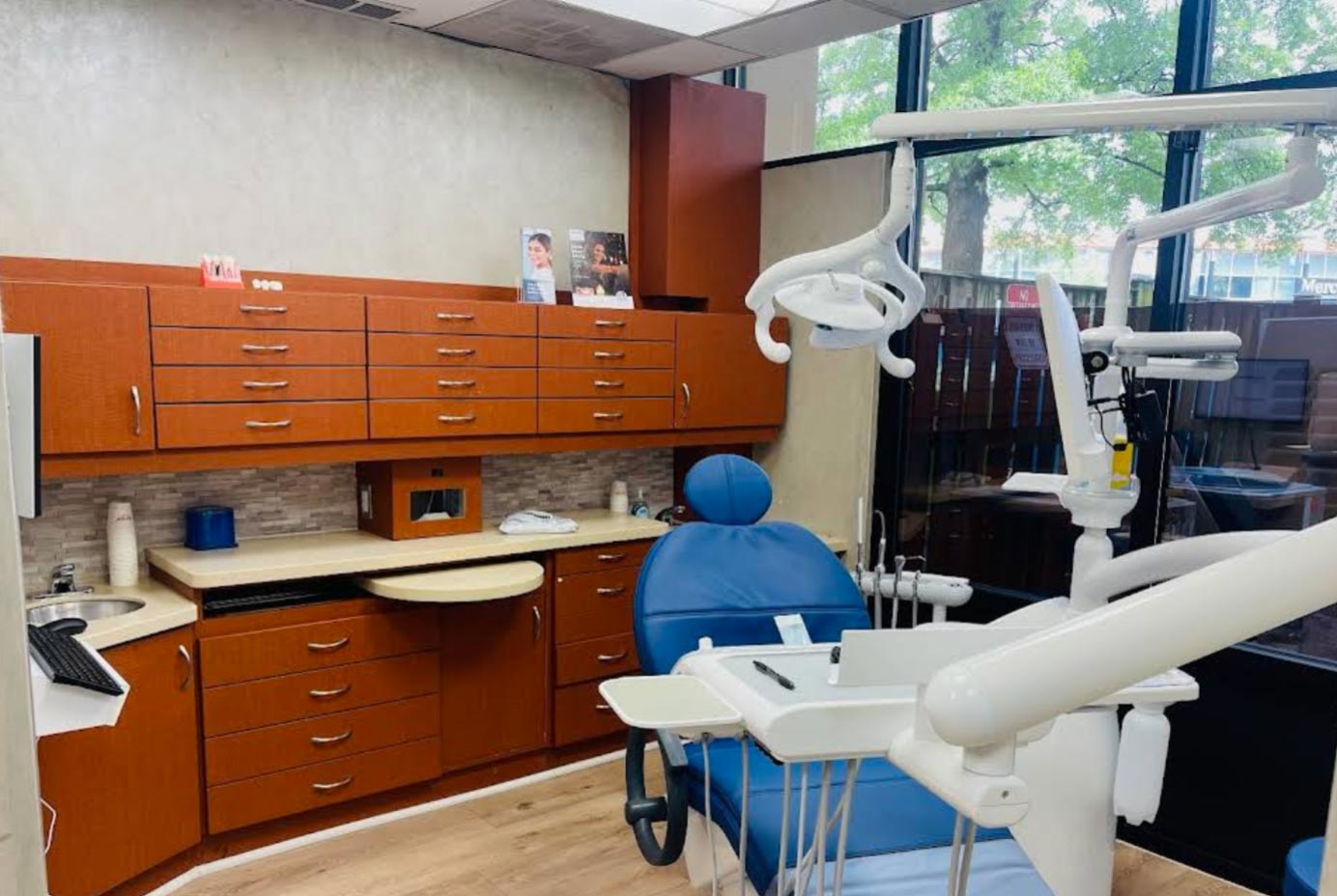
We are here to help you take the next step toward a healthier smile.
Whether you have questions about our services, insurance, or scheduling your first visit, our team is ready to assist you.
We welcome new and returning patients and are happy to help you find a time that fits your schedule. Reach out to our office today to schedule an appointment or learn more about how we can support your oral health. We look forward to welcoming you to our practice.